



Mammals
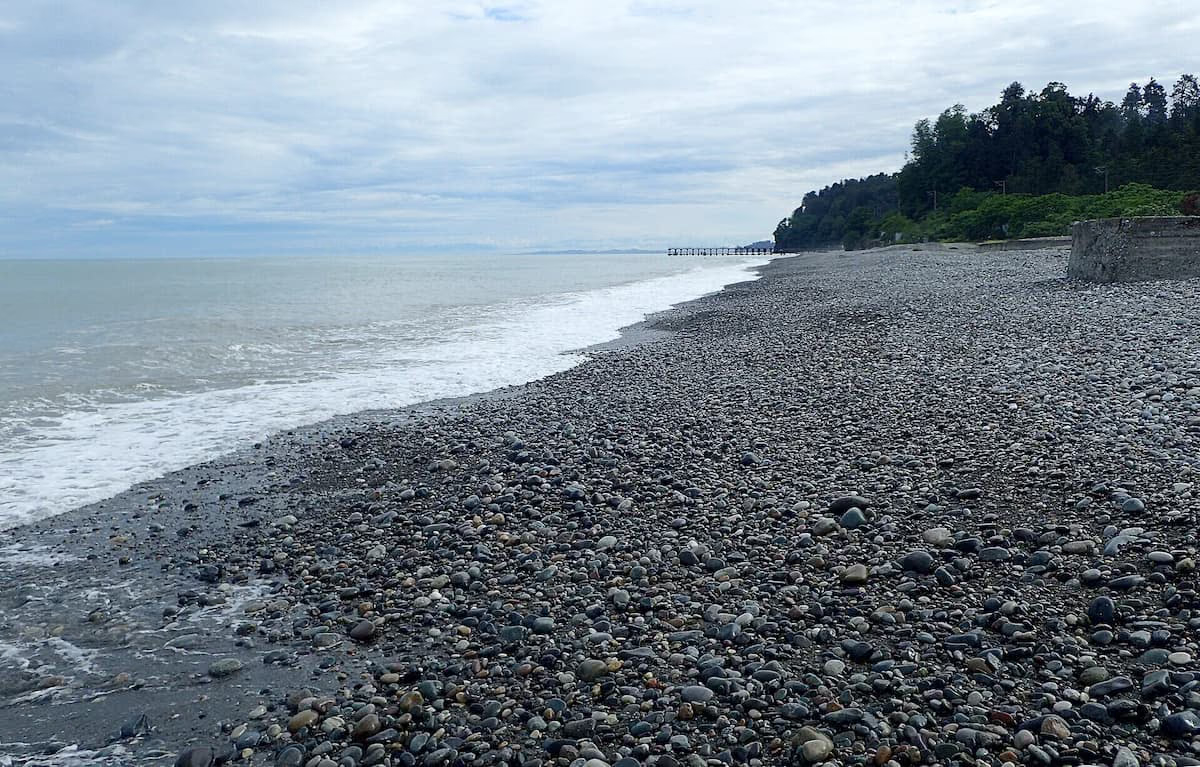
About 40 dolphins washed ashore from Sarpi to Anaklia in two months
According to Guchmanidze’s 17-year record, this is the highest figure of the past decade. The agency has not named a cause for the strandings at this stage.
Read the articleRegion
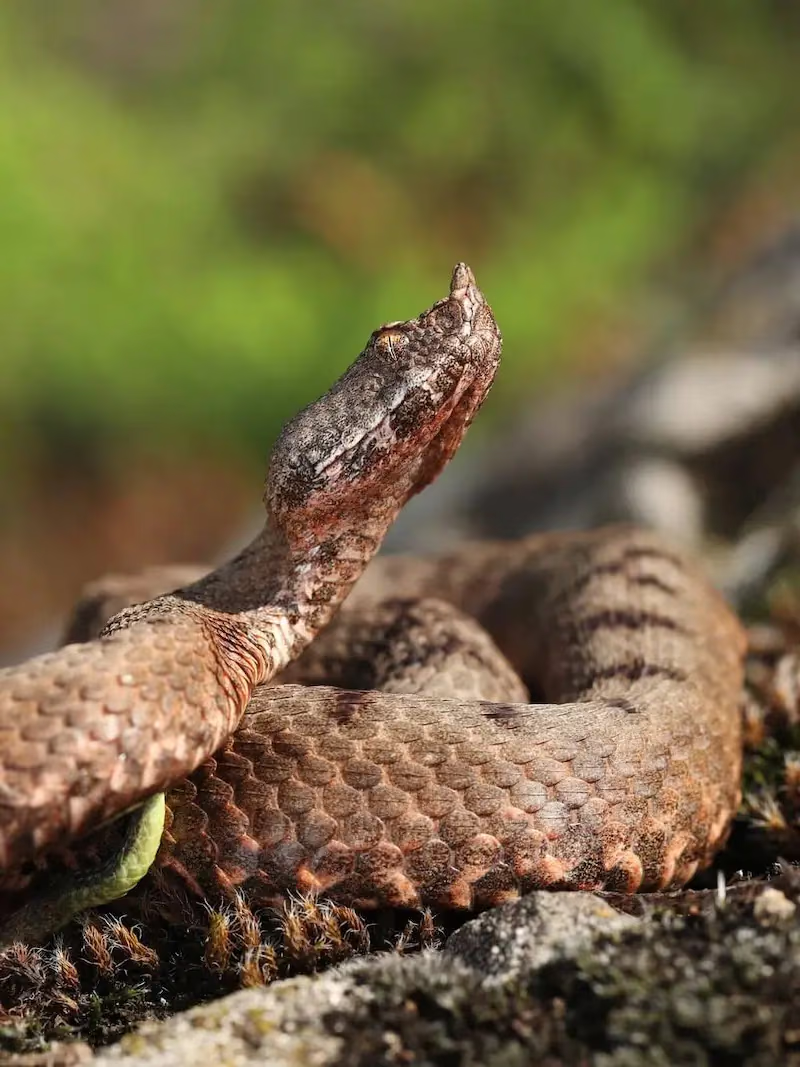
Adjara is one of western Georgia’s most humid regions. Humid subtropical forests, mountain valleys, and the Black Sea coast create varied environments for reptiles. The region has Caucasian viper, grass snake and dice snake, smooth snake, European glass lizard, and other species.
Only confirmed records are added to region pages. If a species’ link to a specific administrative unit has not yet been confirmed by a source, it will not appear in the relevant list.
Adjara records include Caucasian viper, grass snake and dice snake, smooth snake, and European glass lizard. In the mountainous part of the Lesser Caucasus, including toward Shuakhevi, nose-horned viper is also recorded. The list is based on regional records and may be updated when new confirmed data are added.
Yes. Caucasian viper (Vipera kaznakovi) is venomous. Nose-horned viper (Vipera transcaucasiana) is also recorded in mountainous Adjara. The other species listed here do not pose a venomous danger to people. Still keep a safe distance from any unknown snake.
Caucasian viper is mainly tied to humid forests and foothill habitats. Regional records are known from different places; see the full species profile for distribution and identification details.
Reptile activity mainly increases from spring through autumn. In winter many species are less active and spend much of their time in shelter.
News
Mammals
According to Guchmanidze’s 17-year record, this is the highest figure of the past decade. The agency has not named a cause for the strandings at this stage.
Read the article
Birds
After rain and fog, the Batumi bottleneck recorded the season’s first 10,000-plus day. Nearly 19,300 birds were counted in total.
Read the article