



Practical guide
Bed bugs at home — how to find and get rid of them
Bed bugs at home: where to look, which signs matter, why a bite is not proof, and when to call a specialist. Call 112 for a severe allergic reaction.
Read the article
Insects in Georgia — published species profiles with taxonomy, identification notes, habitat, and sources.
Catalog
Each profile states whether the species is confirmed in Georgia and whether the sources support exact localities or only country-level occurrence.
Related guides
Identification, range, safety, and species indexes are grouped on connected pages so you can reach what you need without leaving the topic.
Articles
Practical guide
Bed bugs at home: where to look, which signs matter, why a bite is not proof, and when to call a specialist. Call 112 for a severe allergic reaction.
Read the article
Practical guide
Mosquitoes at home or in the yard? Check standing water and screens, repeat a weekly inspection, and understand when products can be used safely.
Read the article
Practical guide
Found damage on clothes or a moth in the closet? Check fabrics and hidden corners, choose care by the label, store cleaned items safely, and avoid risky pesticides.
Read the article
Practical guide
Fleas in the house with a cat or dog? Check the pet, clean its resting places, plan pet care with a vet, and avoid unsafe product use.
Read the article
Practical guide
Found cockroaches at home? Check hiding places, remove food and moisture, monitor with sticky traps, use baits safely, and know when to call a professional.
Read the article
Practical guide
How to remove an attached tick correctly, what to avoid, what to watch after a bite, and when to contact a doctor.
Read the article
Practical guide
Ants in the house? Learn how to find where they get in, remove food and moisture, use bait safely, and when to call a pest management professional.
Read the article
Practical guide
Stink bugs move indoors in autumn to overwinter. Learn whether they are harmful, how to remove them without crushing, and how to seal entry points.
Read the article
Practical guide
Found a wasp or hornet nest? Learn when to leave it alone, when to call a professional, and which sting symptoms need urgent help.
Read the articleGuide
Insects are arthropods that, as adults, have six legs, three main body parts, and often one or two pairs of wings. Insect profiles follow the same editorial rule as the other group pages: accepted taxonomy first, Georgia-specific evidence separated from general biology, and no invented regional maps.
This is a growing profile set, not a complete national insect checklist. A species appears here only when a sourced page is ready.
FAQ
Short answers - detailed information is on profiles.
No. This hub publishes individual insect profiles when enough reliable sources are available. Absence from the hub does not mean a species is absent from Georgia.
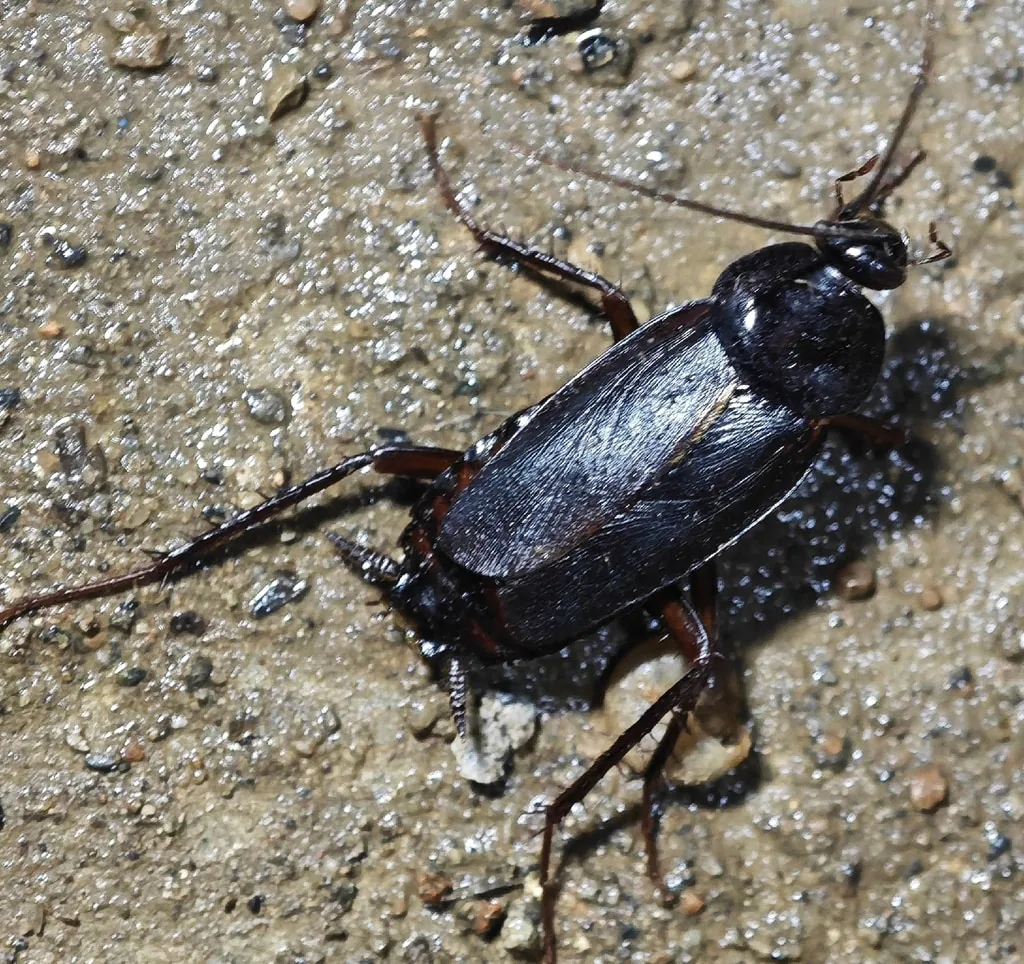
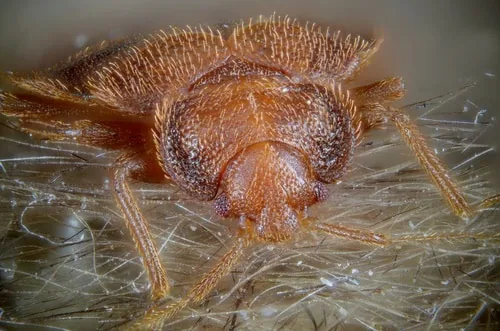
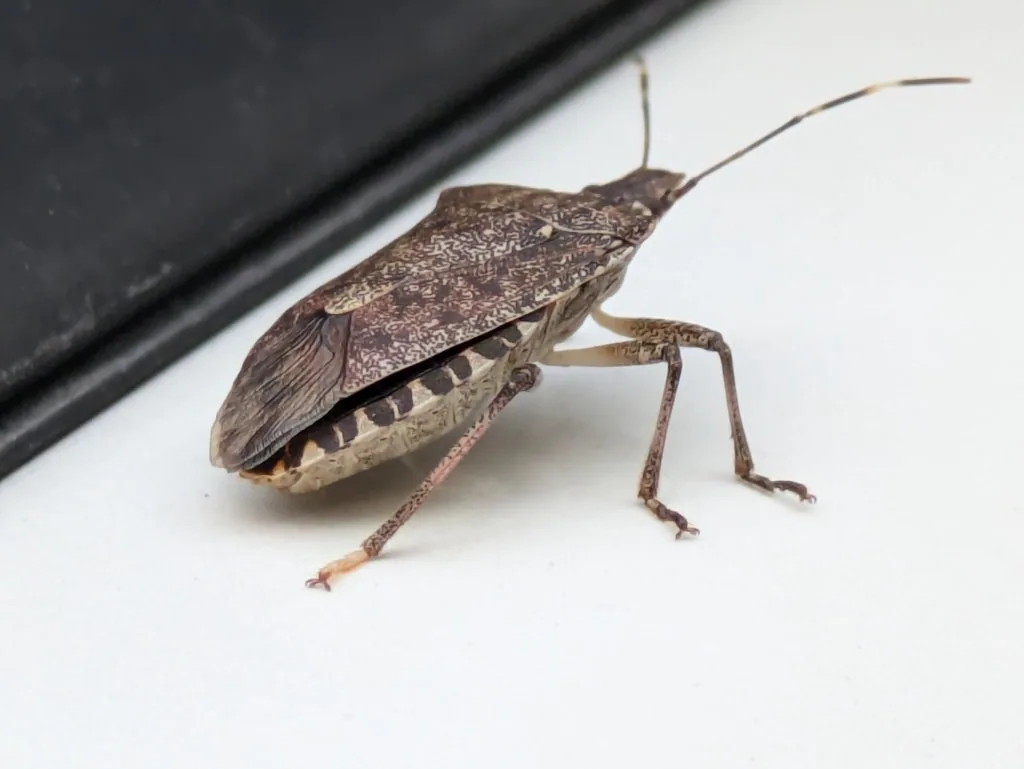
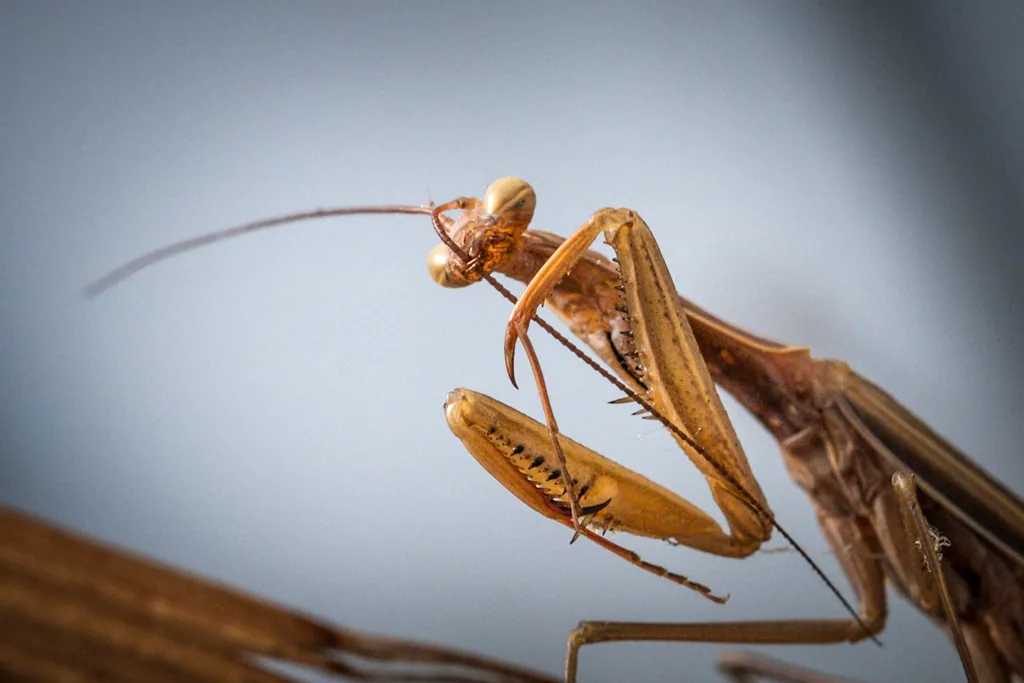
The atlas currently has 4 insect profiles: the European mantis (Mantis religiosa), brown marmorated stink bug (Halyomorpha halys), Oriental cockroach (Blatta orientalis), and common bed bug (Cimex lectularius). Separate guides cover meeting them at home: stink bugs, cockroaches, and bed bugs.
Insect pages use the same species-profile structure: taxonomy, identification, habitat, Georgia-specific evidence, safety or ecological notes where relevant, and sources.
Only when a profile has sourced regional or local records. A country-level occurrence source does not automatically colour every Georgian region.
Usually no. Observe from a distance and avoid collecting or moving wildlife unless a reliable practical reason exists.
Other categories
Each category gathers the relevant species on one guide page, where you can continue to a specific snake’s full profile.
Next step
Open a species, or continue in the reptile, amphibian, bird, mammal, and spider guides.