
Snakes
New study: how accurately do we know where Georgia's snakes occur?
A new Ecology and Evolution study shows how incomplete records can change estimates of the Area of Occupancy for snakes in Georgia.

If a snake has not yet been recorded from a place, that does not automatically mean it is absent there. A 2026 study by Giorgi Iankoshvili and David Tarkhnishvili uses records of 13 Georgian snakes to show how incomplete occurrence data can reshape the picture of distribution.
When records are not the whole map
The paper, published on 3 September 2026 in Ecology and Evolution, asks a simple but difficult question: how accurately do we know where Georgian snakes occur when records are incomplete and unevenly collected?
The authors do not claim that existing snake maps are wrong, and they do not replace the IUCN's standard 2 x 2 km Area of Occupancy grid. Their aim is to show how an additional reproducible modelling workflow can help where confirmed records do not fully describe the real occupied area.
What the scientists studied
The study is based on occurrence records for 13 colubrid snakes in Georgia. The authors used older bibliographic sources, modern field records, and citizen-science data. Since 2017 they also monitored Facebook, Instagram, iNaturalist, and Twitter, contacting observers when social-media photographs needed more precise locality information.
The analysed species include red-bellied racer, dice snake, smooth snake, grass snake, Dahl's whip snake, European cat snake, and seven other colubrid species recorded from Georgia.
What AOO means
An occurrence record is a confirmed observation: a place where a species was seen, photographed, collected, or reported in a reliable source. Area of Occupancy, or AOO, is different. In official IUCN Red List assessments it is usually counted with 2 x 2 km cells: if a species is confirmed in a cell, that cell is treated as occupied.
Incomplete records are a problem for small, hidden, or rarely observed animals. A species may occupy a broader area than the points currently documented. At the same time, a model does not create a new confirmed record. Confirmed observations and modelled estimates need to remain separate.
What the breakpoint test showed
The authors placed records into grids ranging from 1 x 1 km to 25 x 25 km and observed how the number of occupied cells changed as the grid size increased. The point where the curve became less sensitive to cell size is called a breakpoint-derived grid-cell size in the paper.
For 9 of the 13 species, significant breakpoints appeared at about 4-13 km. This is not a snake movement radius and not a new distribution confirmation. It is an informative spatial scale in the data, useful for thinking about sampling incompleteness.
In validation tests on the six best-represented species, accumulation-curve predictions were closer to the full dataset than raw incomplete occupied-cell counts in 97.3%, 97.8%, and 96.3% of comparisons when 25%, 50%, or 75% of the records were retained.
Why this matters for Georgia
For biodiversity atlases, the lesson is practical: one level is a specific photo record, another is reliable evidence of presence in a region, and a third is a possible or modelled range. Snake pages should not mix those levels.
Citizen science is central to this picture. A photo with a precise place, date, and verified identification can add knowledge even for species that professional herpetologists rarely encounter. The paper's quiet message is that distribution maps should show what we know, what we do not know, and what uncertainty sits between the records.
Sources
Estimating Area of Occupancy From Incomplete Occurrence Records: Reproducible Workflow Illustrated on a Comprehensive Dataset of Georgian Snakes. Giorgi Iankoshvili and David Tarkhnishvili. Ecology and Evolution, first published 3 September 2026. DOI: 10.1002/ece3.74292.
PubMed record for the same article.
In the atlas
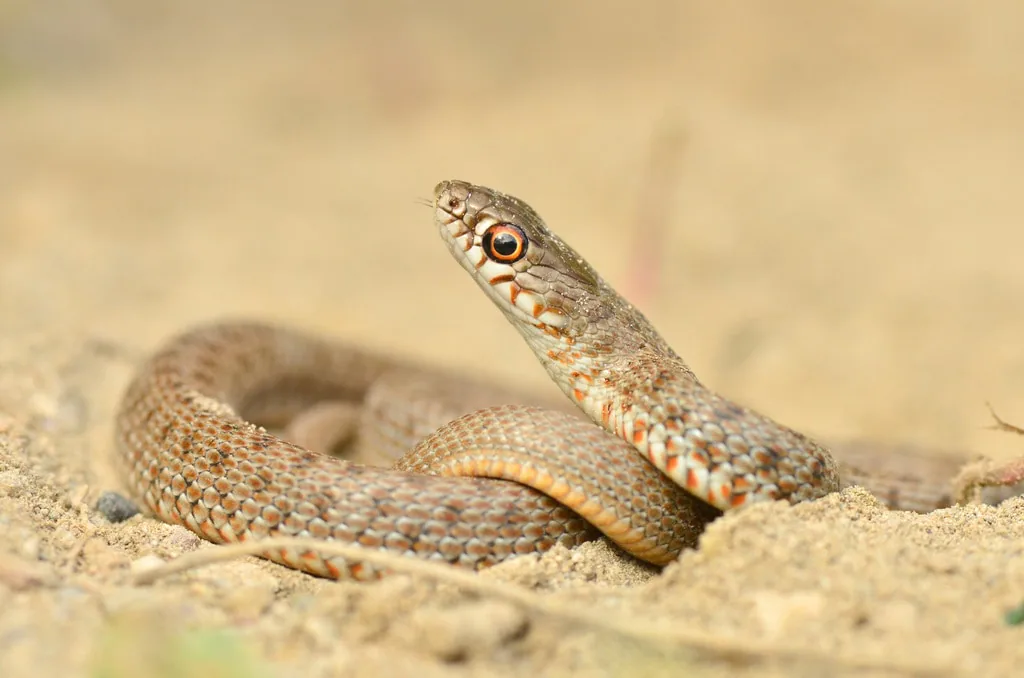
Red-bellied racer
Dolichophis schmidti
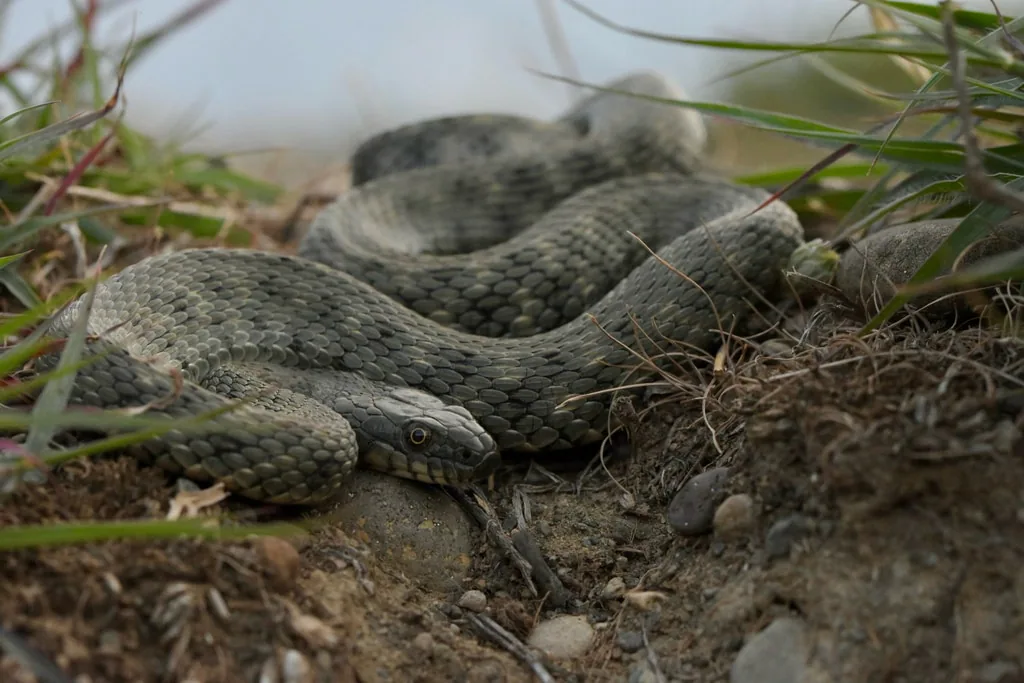
Dice snake
Natrix tessellata
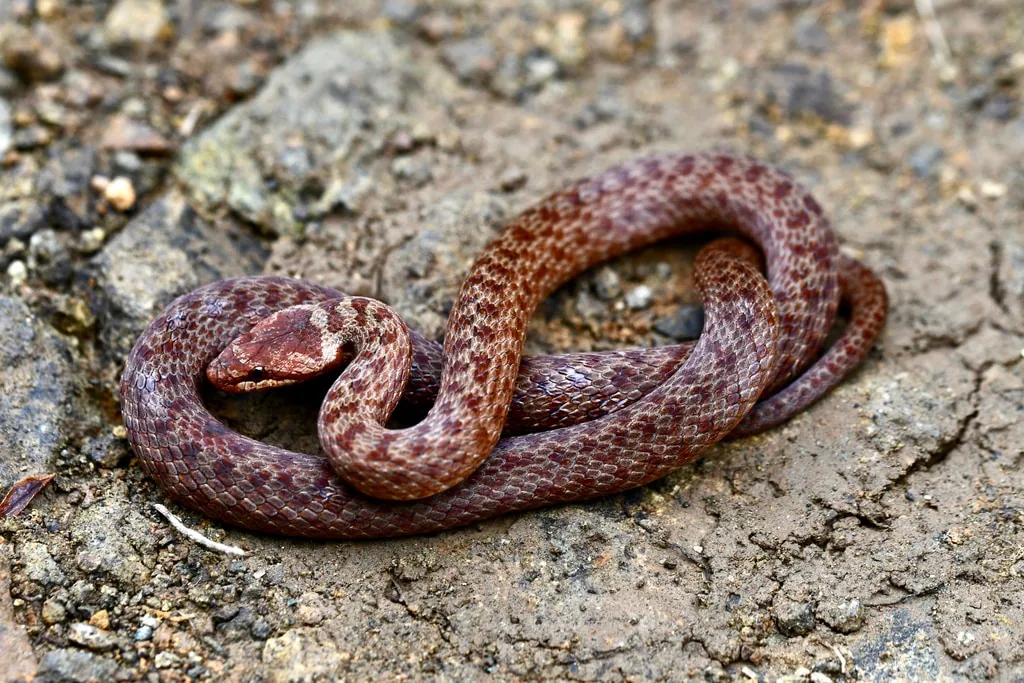
Smooth snake
Coronella austriaca
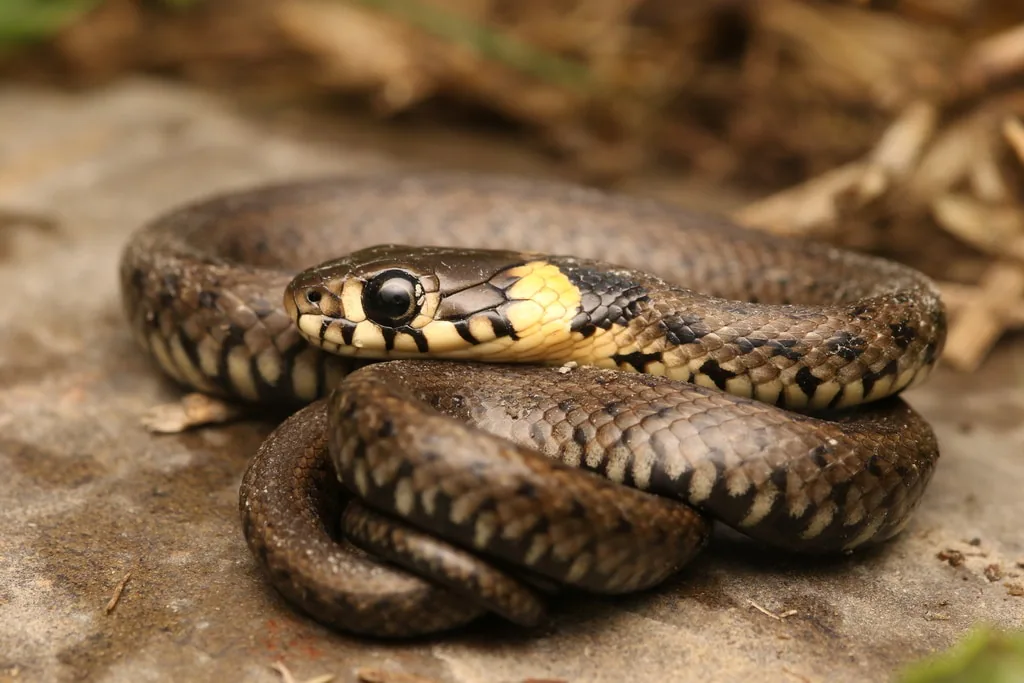
Grass snake
Natrix natrix
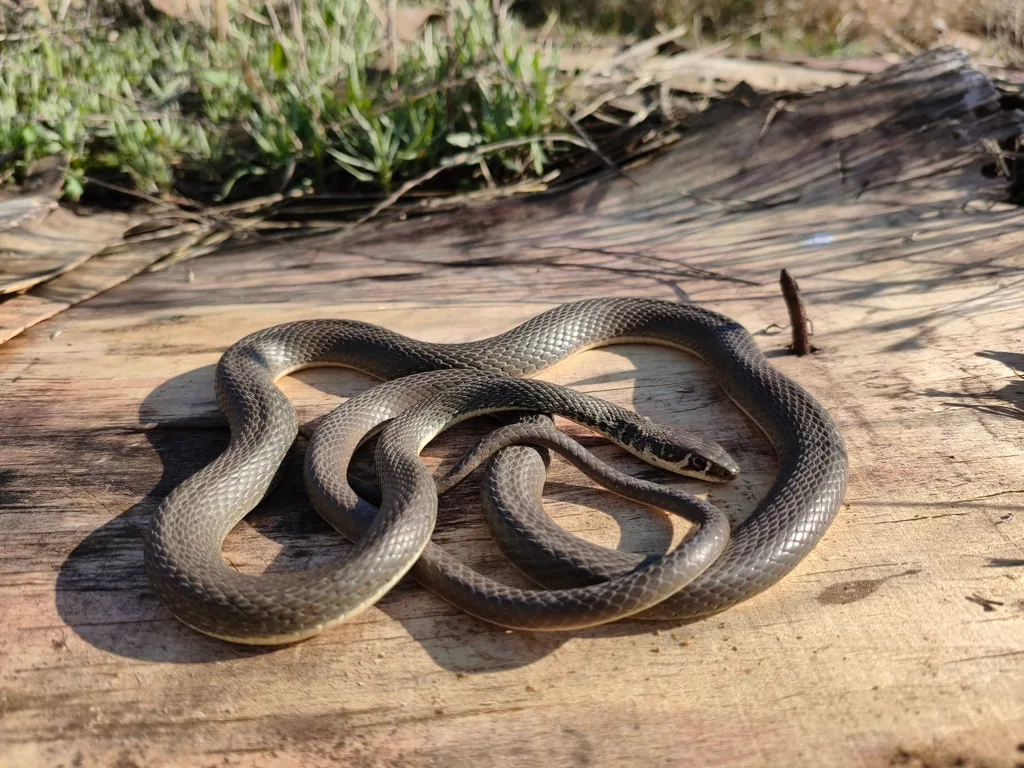
Dahl's whip snake
Platyceps najadum
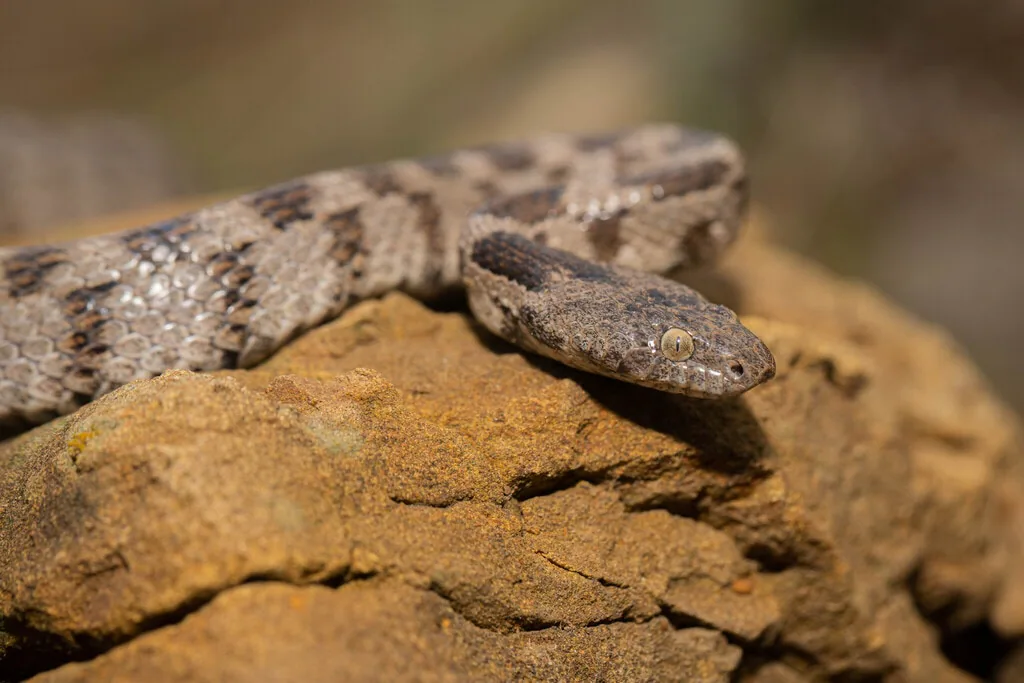
European cat snake
Telescopus fallax
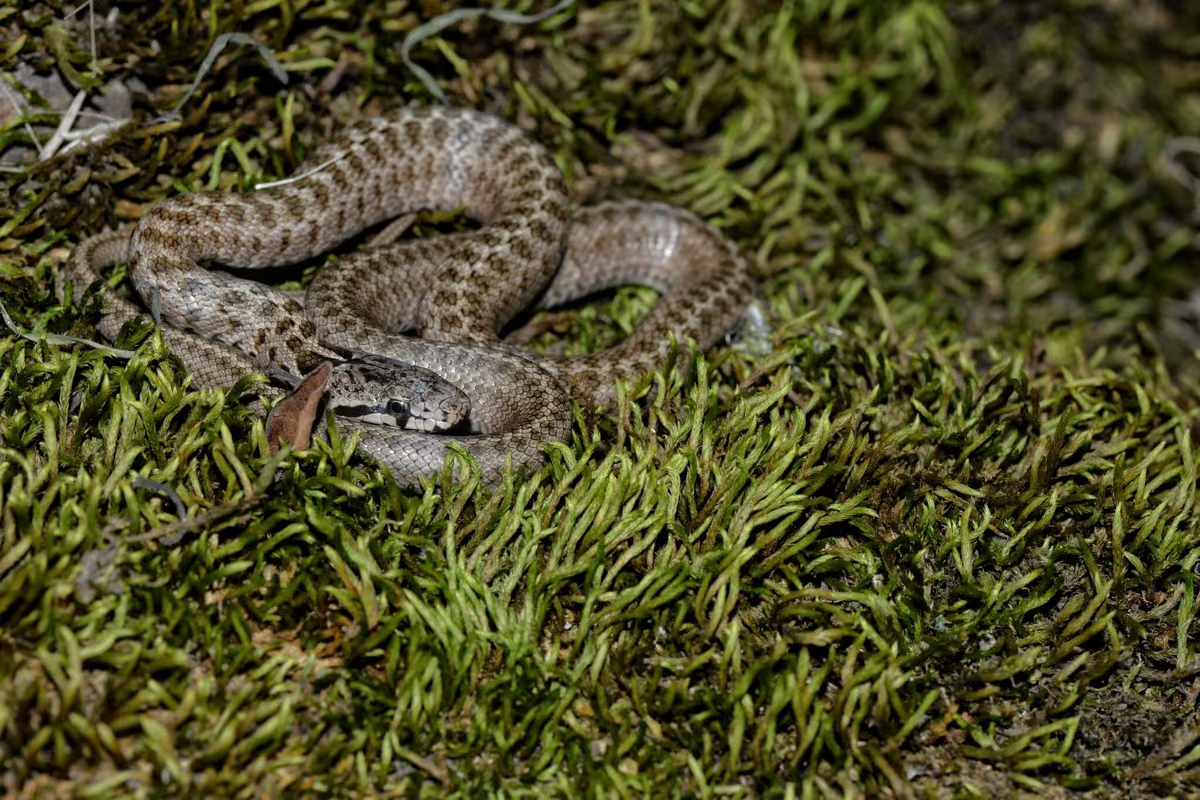
Transcaucasian Ratsnake
Zamenis hohenackeri
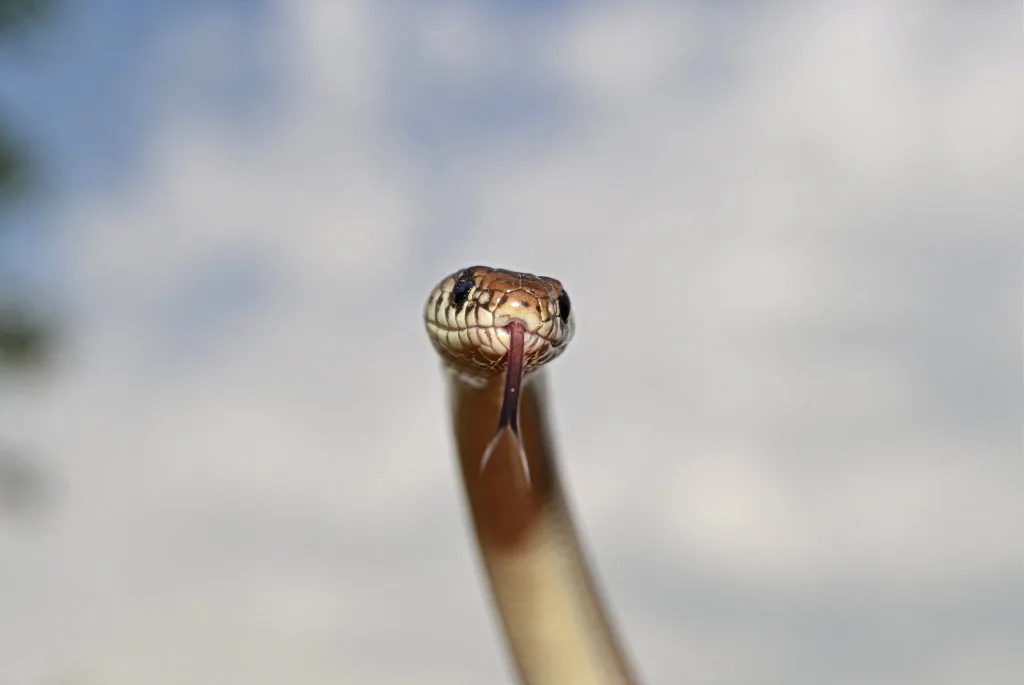
Ring-headed Dwarf Snake
Eirenis modestus
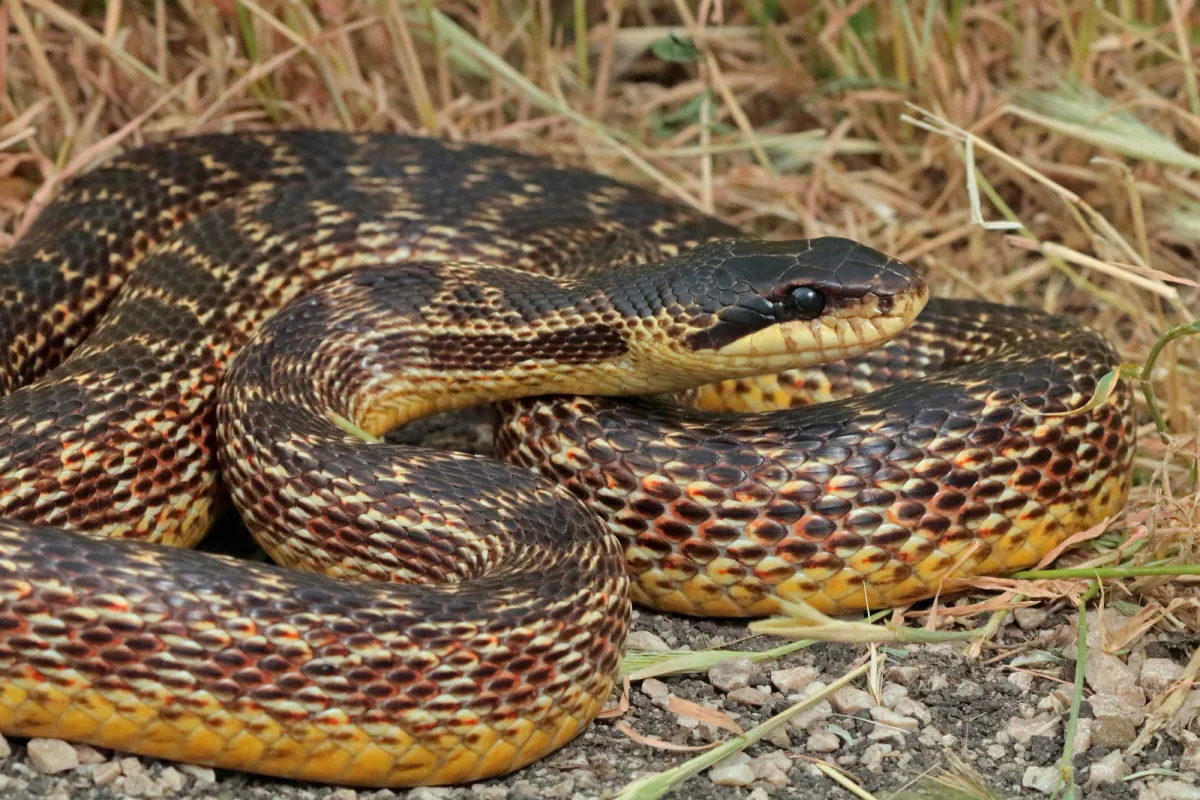
Urartian ratsnake
Elaphe urartica
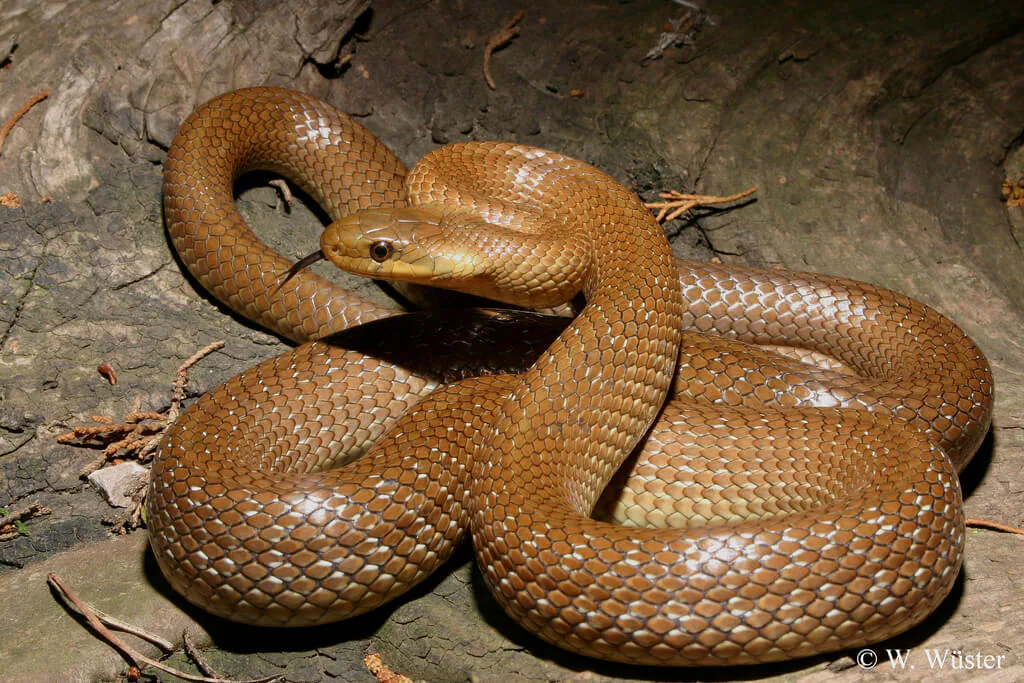
Aesculapian Snake
Zamenis longissimus
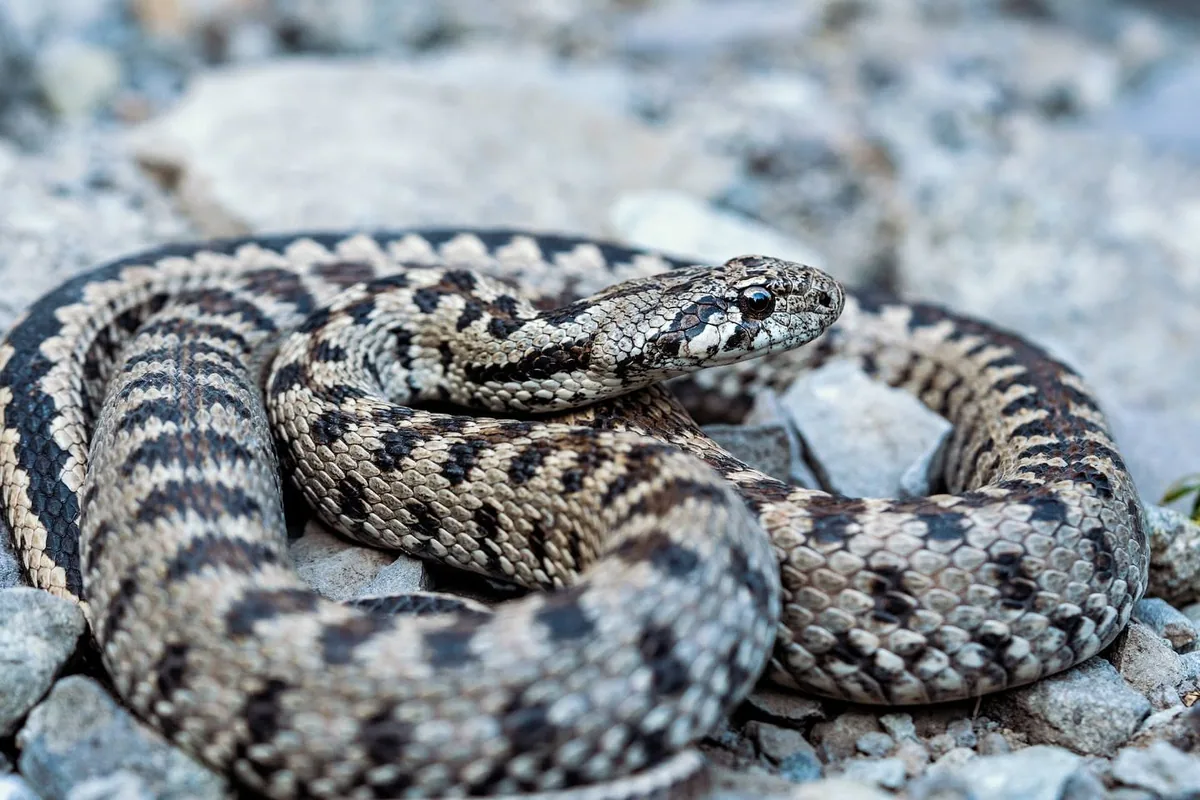
Spotted Whip Snake
Hemorrhois ravergieri
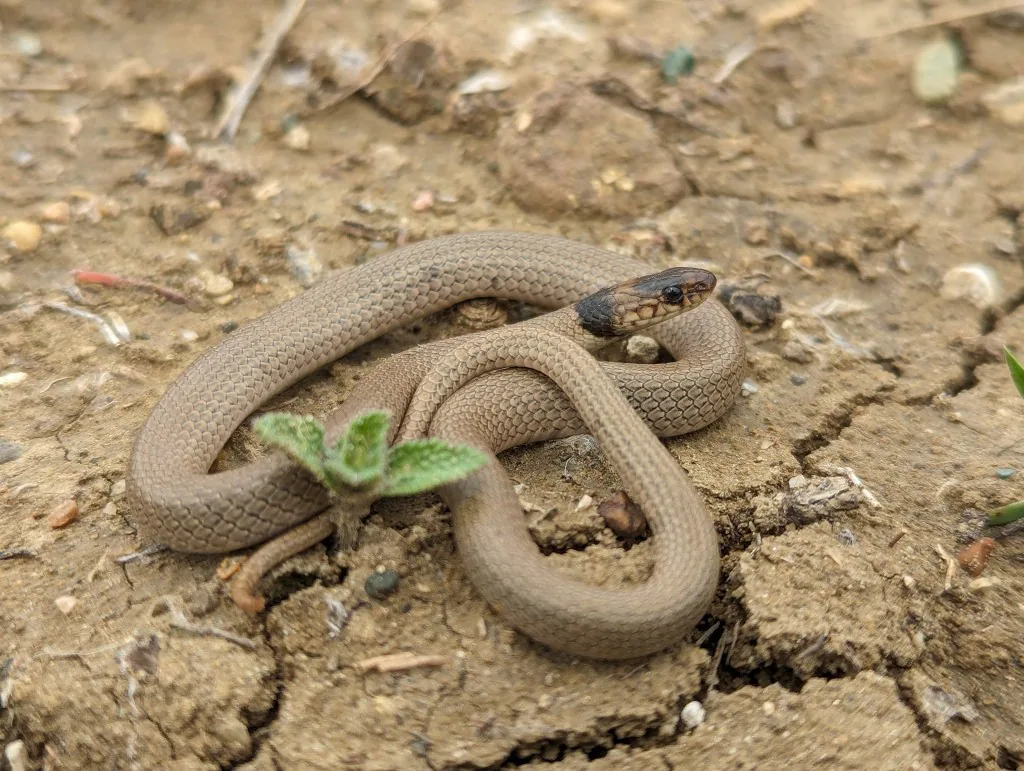
Collared Dwarf Snake
Eirenis collaris
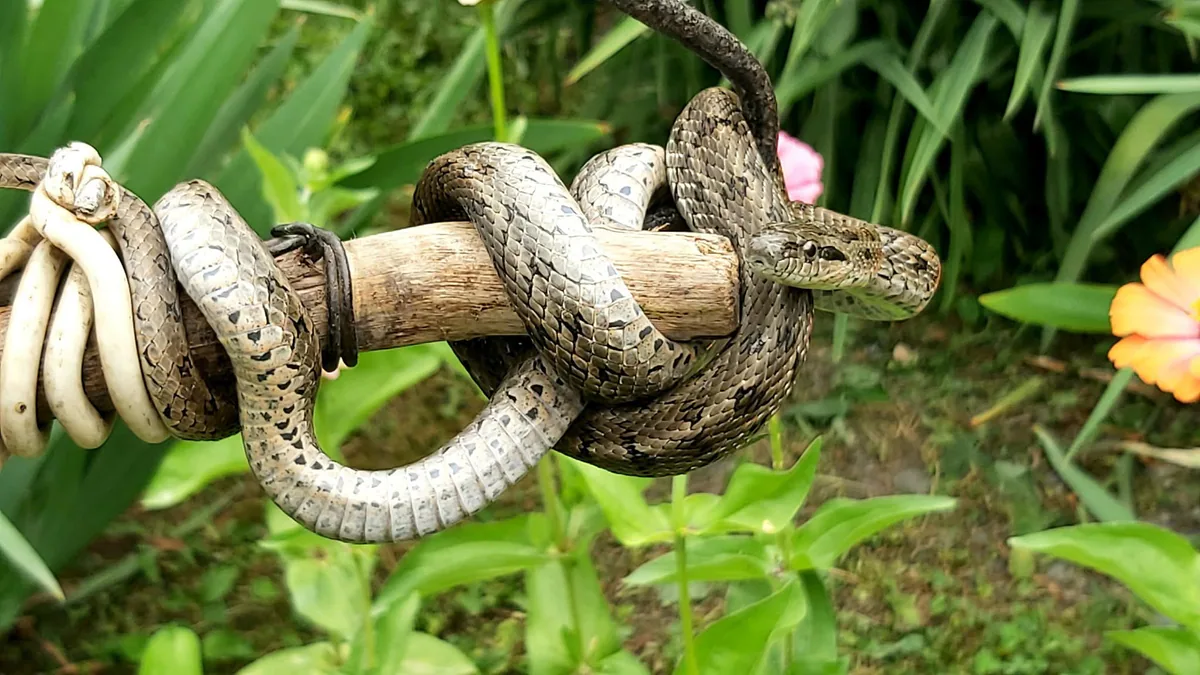
Steppe ratsnake
Elaphe dione
Snakes


