


Practice with photos
How to read a lizard in a still frame
This page is a quiz, not a field-identification lesson. The question “what lizard is this?” is answered on the identify guide. Here you get one frame, four names, and time to train your eye on the atlas catalog. The glass lizard is in this quiz because it is a lizard.
Start with the silhouette. A long legless body may be the glass lizard or the slow worm — both are lizards. The Caucasian agama is an agamid: a heavier head, often on rock. Darevskia are small rock lizards that look alike in colour.
Eyelids and an ear opening, if visible, point to a lizard and rule out a snake. The European glass lizard has them; the grass snake does not. Snakes are not quiz options, but the landing pair is here so a “snake” in a photo is not always a snake.
Then pattern and size — only marks already on the profiles. Darevskia stay separate species here: colour is not ID. If the frame shows only a green or brown back, do not guess from colour alone.
Habitat in the background helps, but the quiz does not ask where you are. Field identification lives on another page. The job here is speed of the eye on catalog photos. Below are four pairs from this atlas’s lizard identify guide.
Pairs that confuse a still photo
This is not field diagnosis. It is what the eye mixes in one frame — the same pairs as on the lizard identify guide.
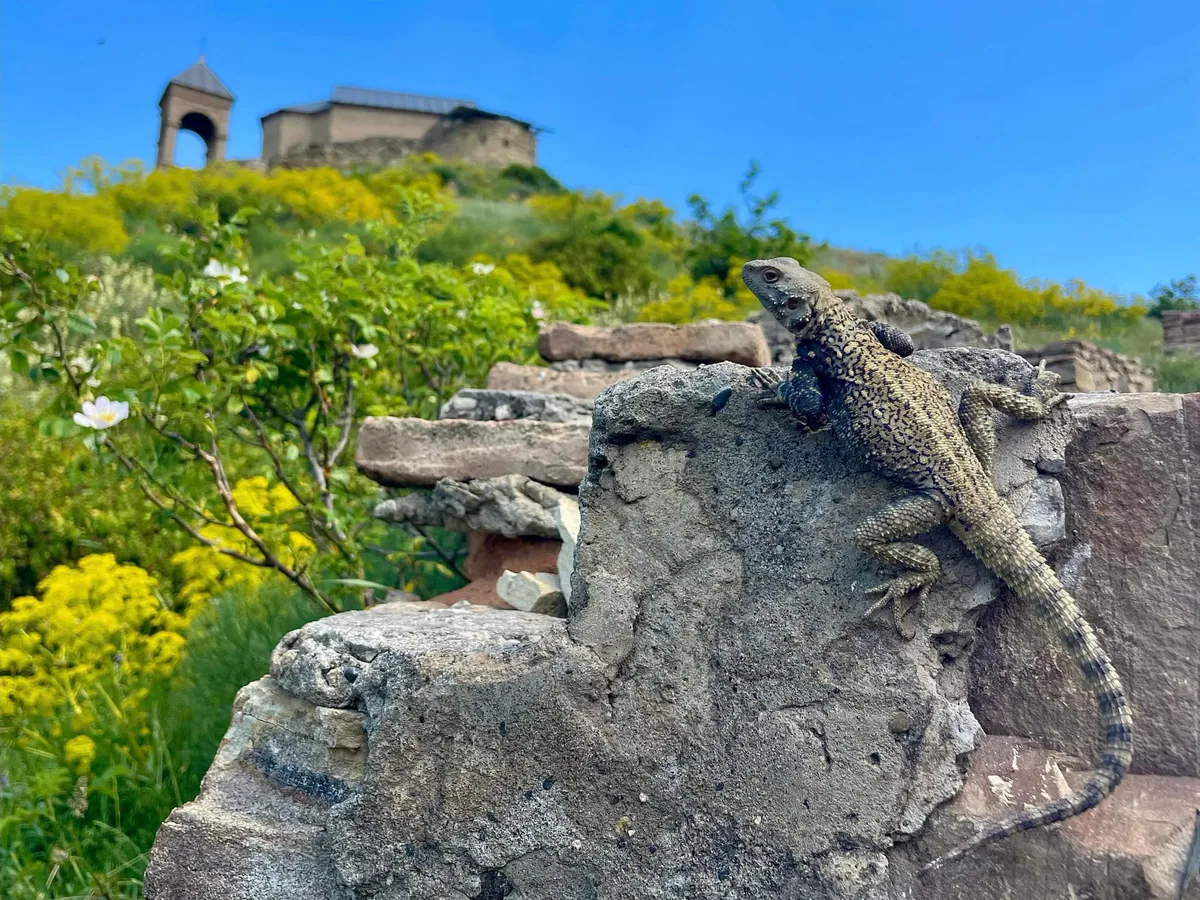
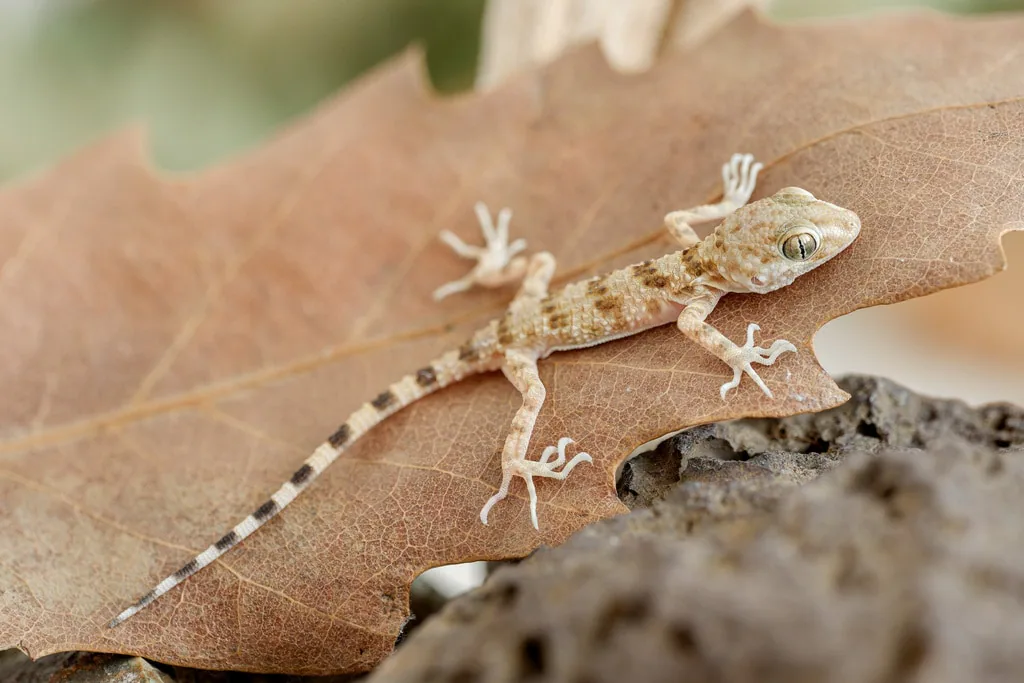
Caucasian Agama · Caspian Thick-toed Gecko
The Caucasian agama is an agamid; the Caspian gecko is smaller, with different skin texture. Both are photographed on rock.
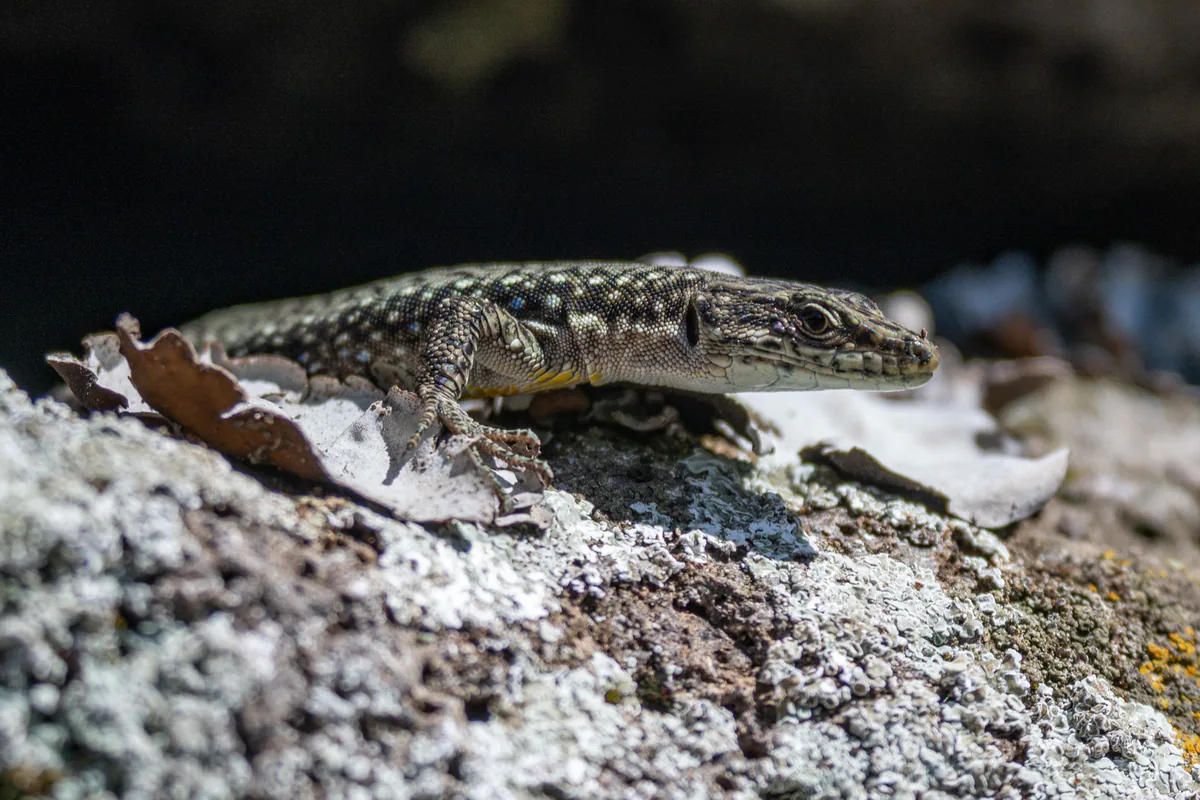
Caucasian Agama · Portschinsky's Lizard
The agama is not a Darevskia. Portschinsky’s rock lizard is smaller; colour does not split this pair.
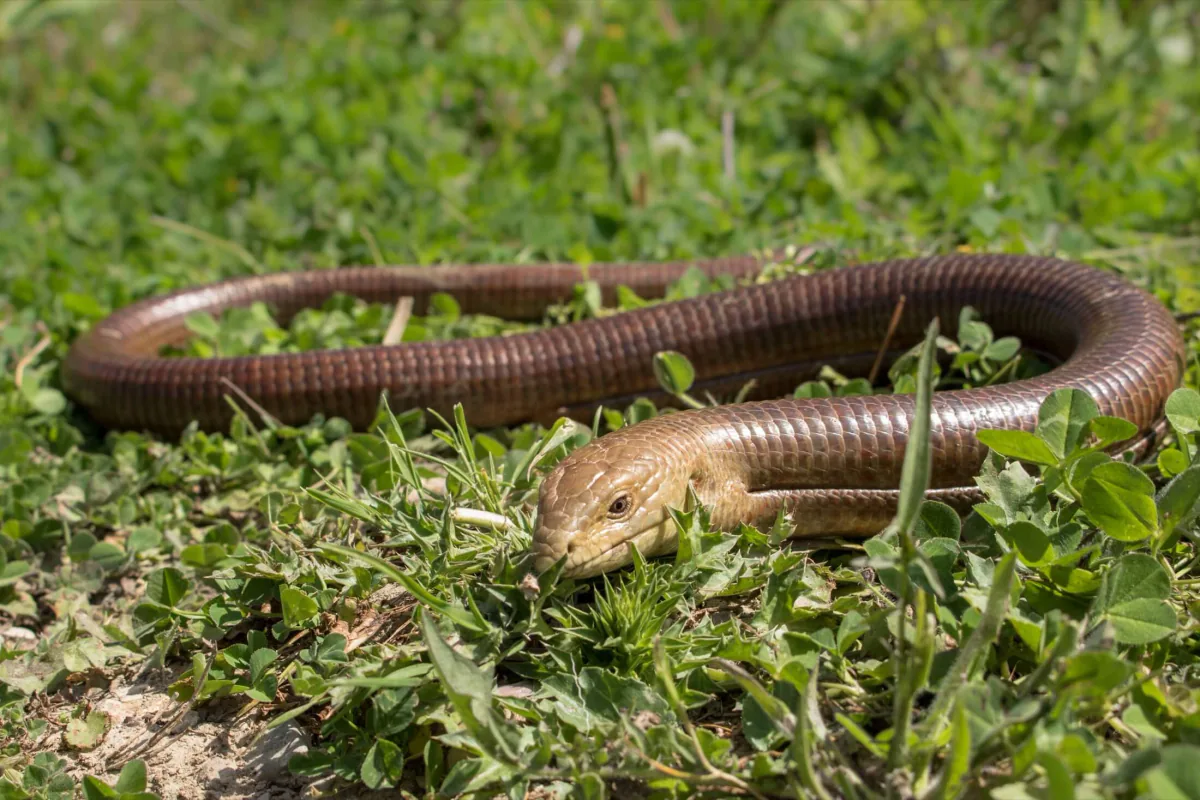
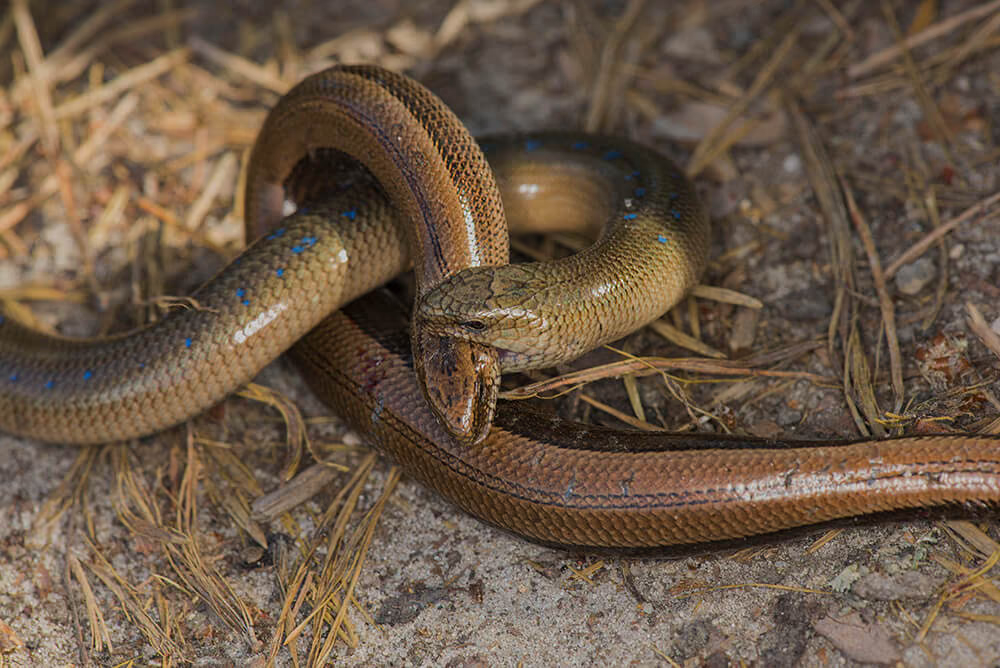
European glass lizard · Colchis Slow Worm
The European glass lizard is a large legless lizard; the slow worm is smaller and smoother. Both have eyelids. The slow worm is a checklist candidate.
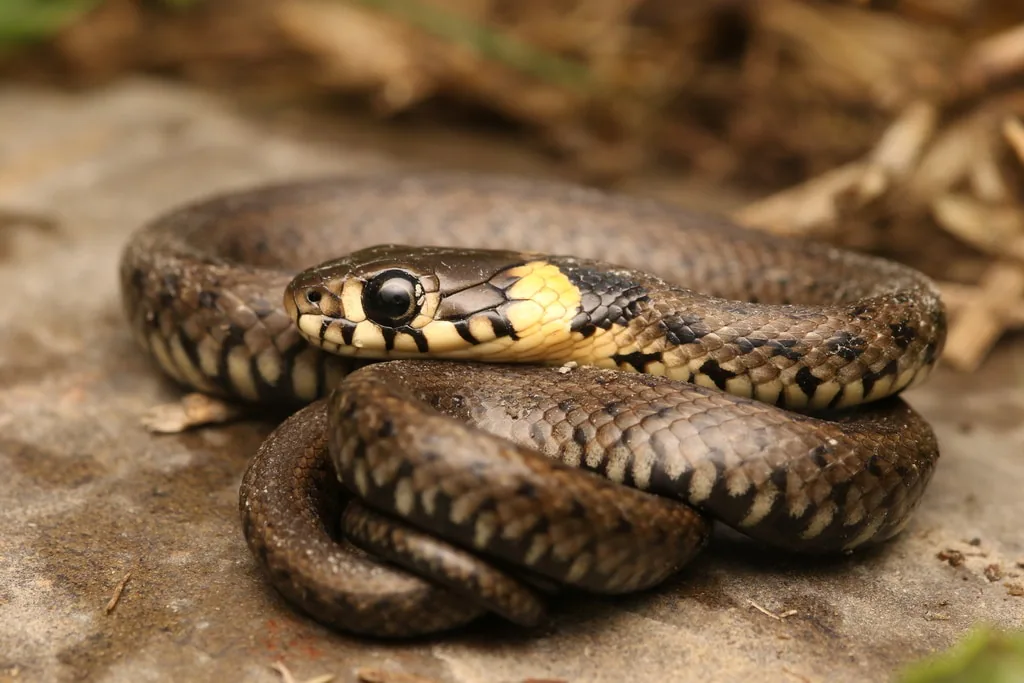
European glass lizard · Grass snake
The European glass lizard is a lizard: eyelids and an ear opening. The grass snake is a snake. The grass snake is not a quiz option.


Field identification is not this page
If you need field logic — photo, size, colour, range — the guide “What lizard is this?” stands alone. For Darevskia, colour is not enough.