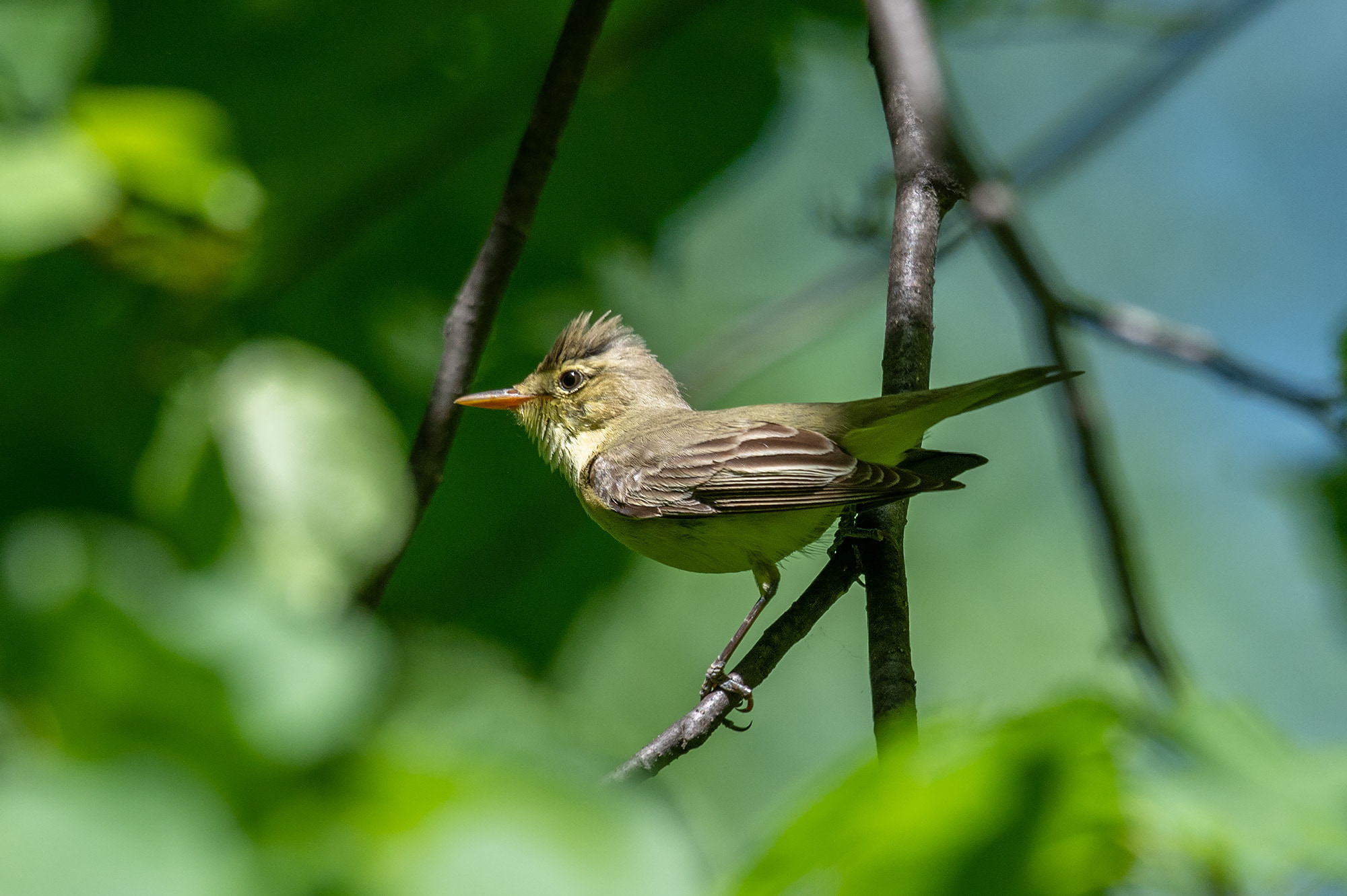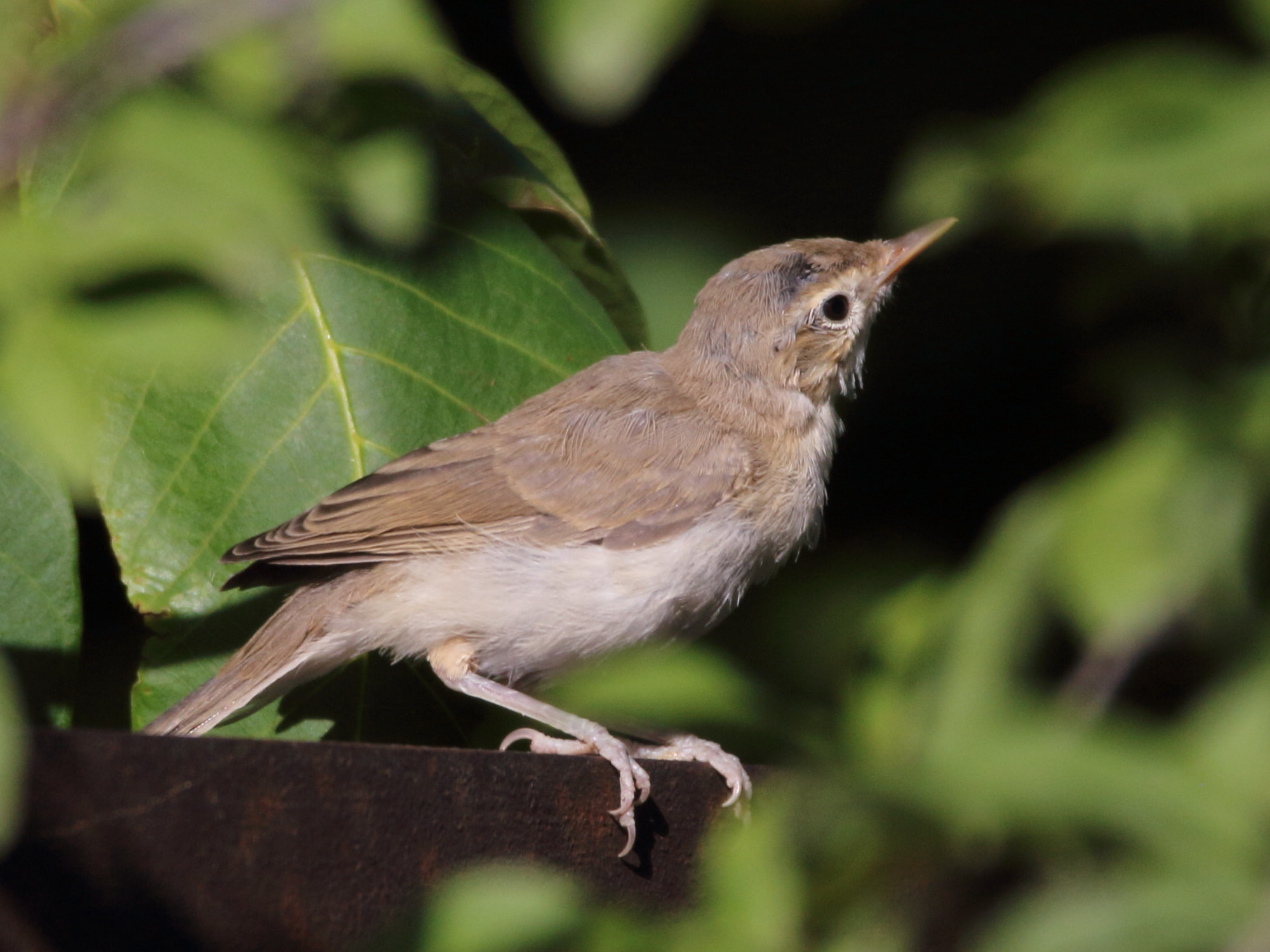

Olivaceous warbler
Iduna pallida
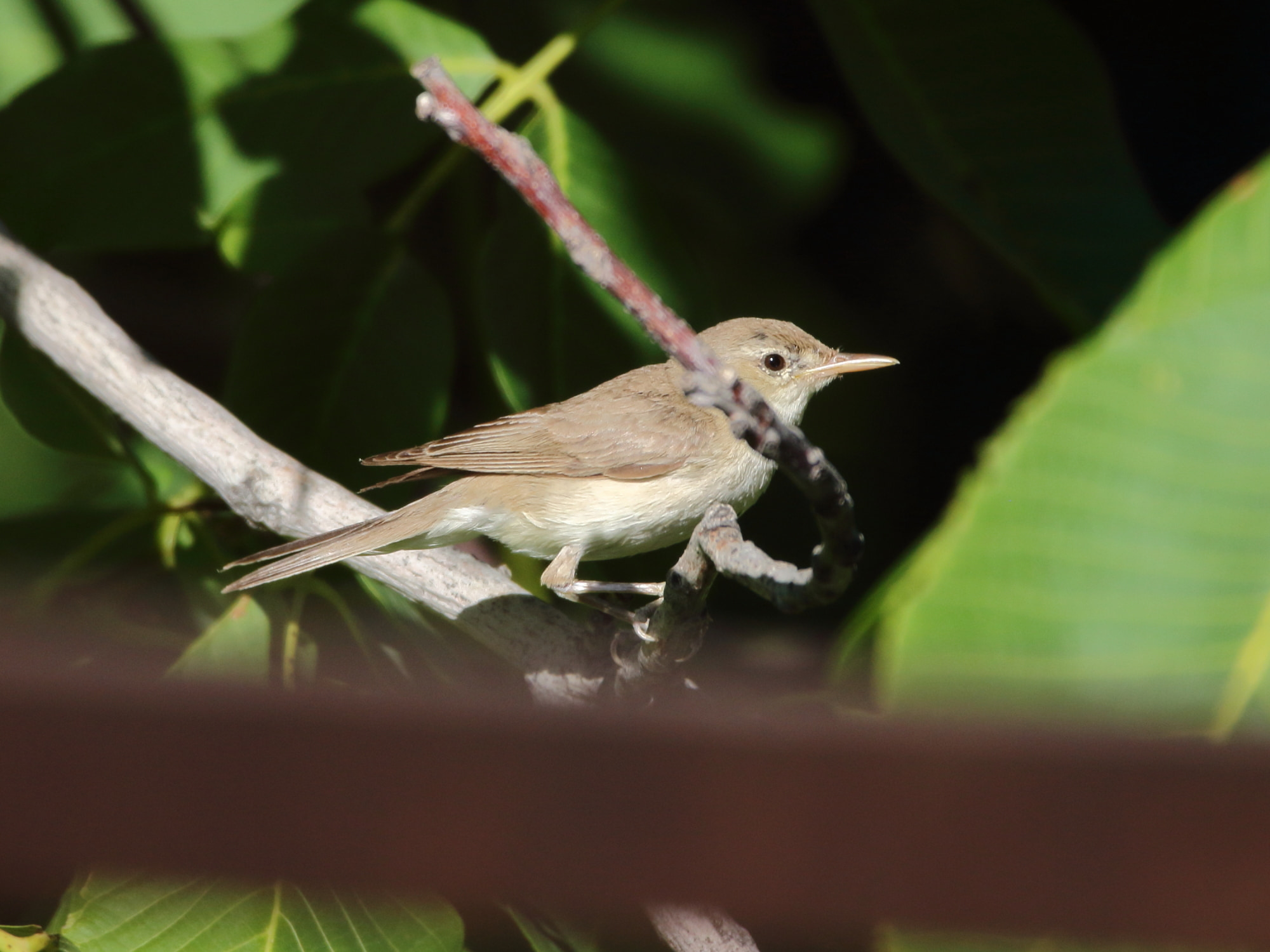
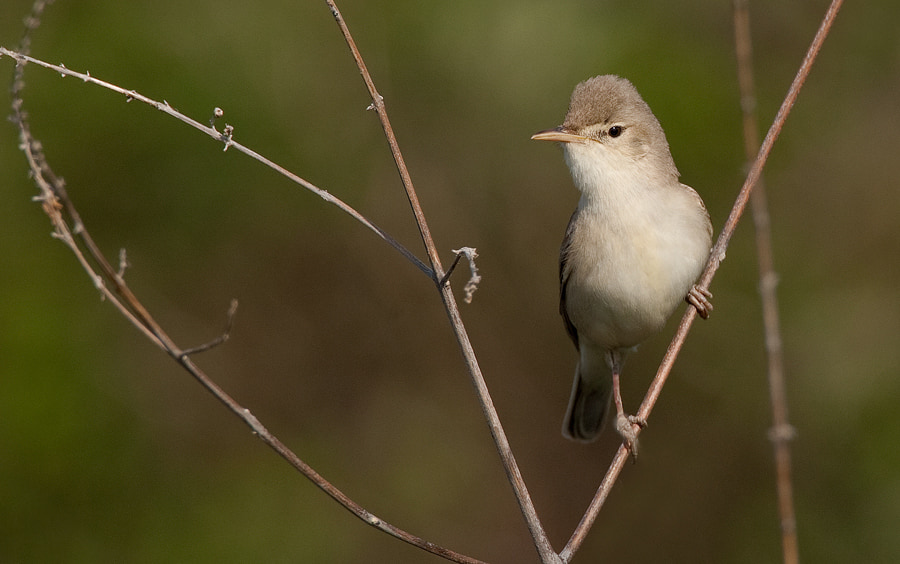
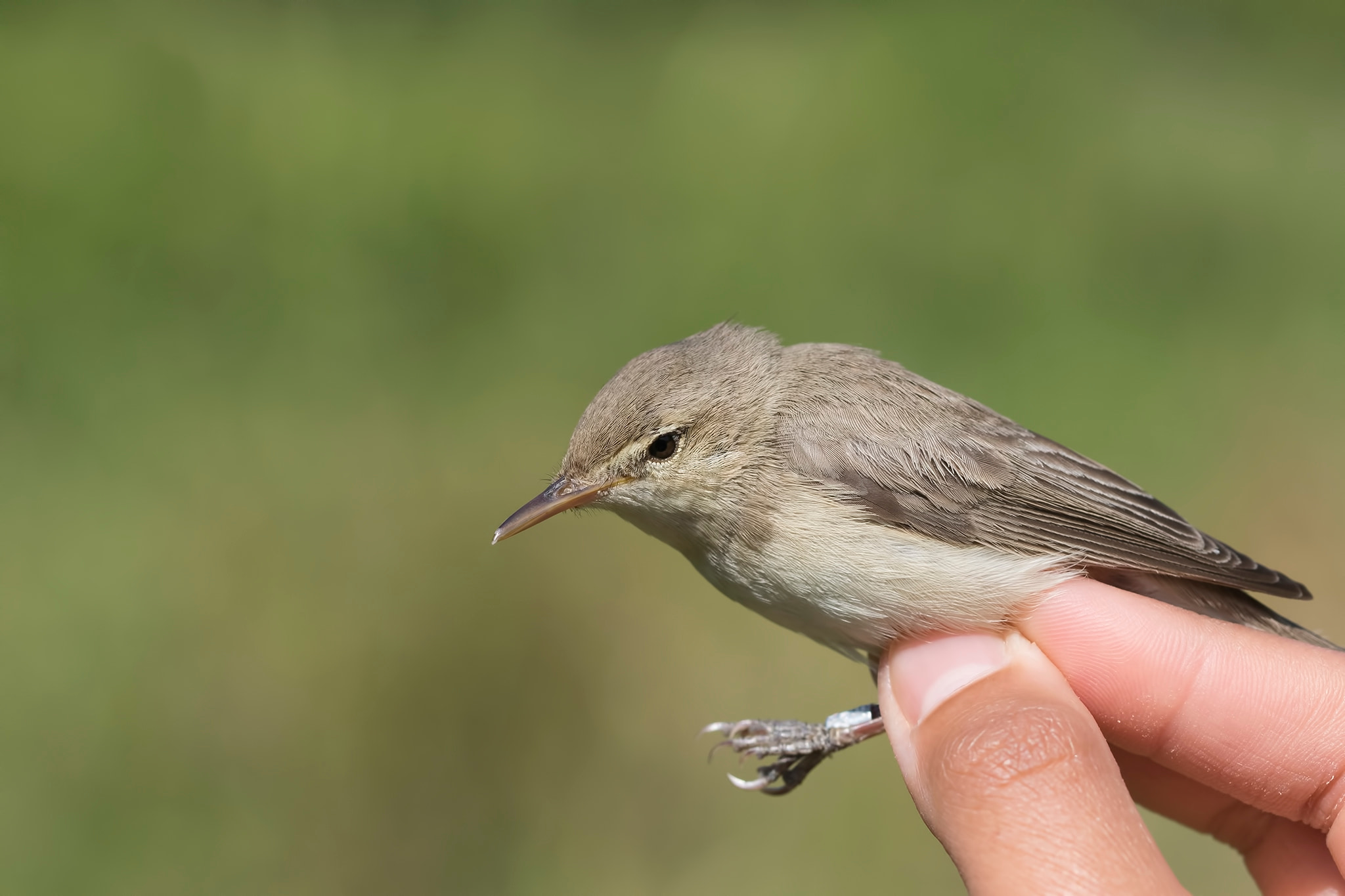
Ani Sarkisyan · Armenia
Key facts in one look
- Size
- 12–14 cm
- Diet
- Insects and spiders
- Status in Georgia
- Breeder and migrant
- Habitat
- Dry scrub, waterside tamarisk, abandoned orchards
- Family
- Acrocephalidae
- Conservation
- Global LC, 2024; Georgia LC, 2021
The olivaceous warbler is a plain, pale brown bird with a characteristic downward flick of the tail. Its back is uniform, its belly whitish, its bill strong and pointed. In Georgia it breeds and also passes through on migration, and it spends the winter in Africa or Arabia. It picks dry, bushy places, especially tamarisk thickets along water. It looks like a garden warbler, so watch the bill and the way it moves its tail.
Identification
Olivaceous warbler: how to identify it
A warbler 12–14 cm long and 8–16 g. The upperparts are plain pale brown, the underparts whitish. The bill is strong and pointed, the legs grey. It flicks its tail downward in a characteristic way.
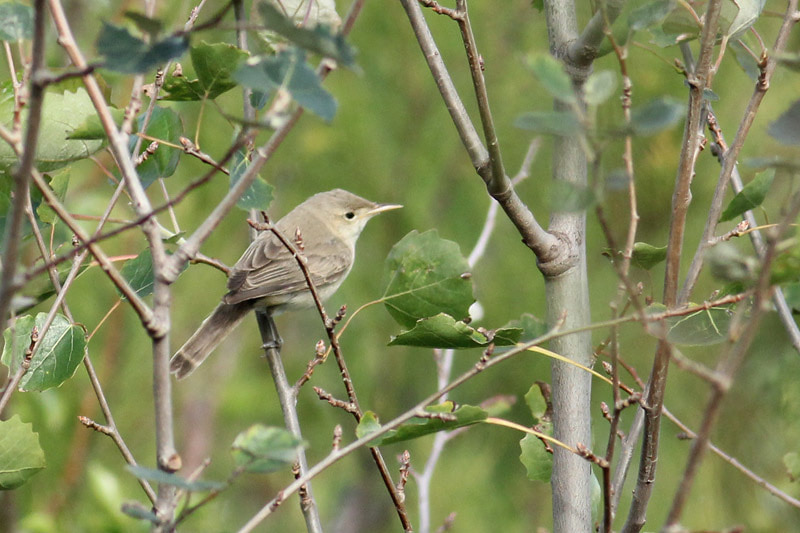
Length 12–14 cm, weight 8–16 g. It is an inconspicuous, plain bird with a strong, pointed bill. The legs are grey. Males and females look alike.
The back is plain pale brown, sometimes with a greenish tinge. The underparts are whitish with a faint yellowish wash. Young birds are buffer on the belly. The characteristic downward tail flick is its best mark.
It looks like a garden warbler, but has a longer bill, a lower forehead and a paler eyebrow. The western species, Iduna opaca, is larger, browner above and has a heavier bill. When a pale brown warbler moves through a bush, watch its tail.
Colour
Swatches are illustrative. Do not identify a species by colour alone.
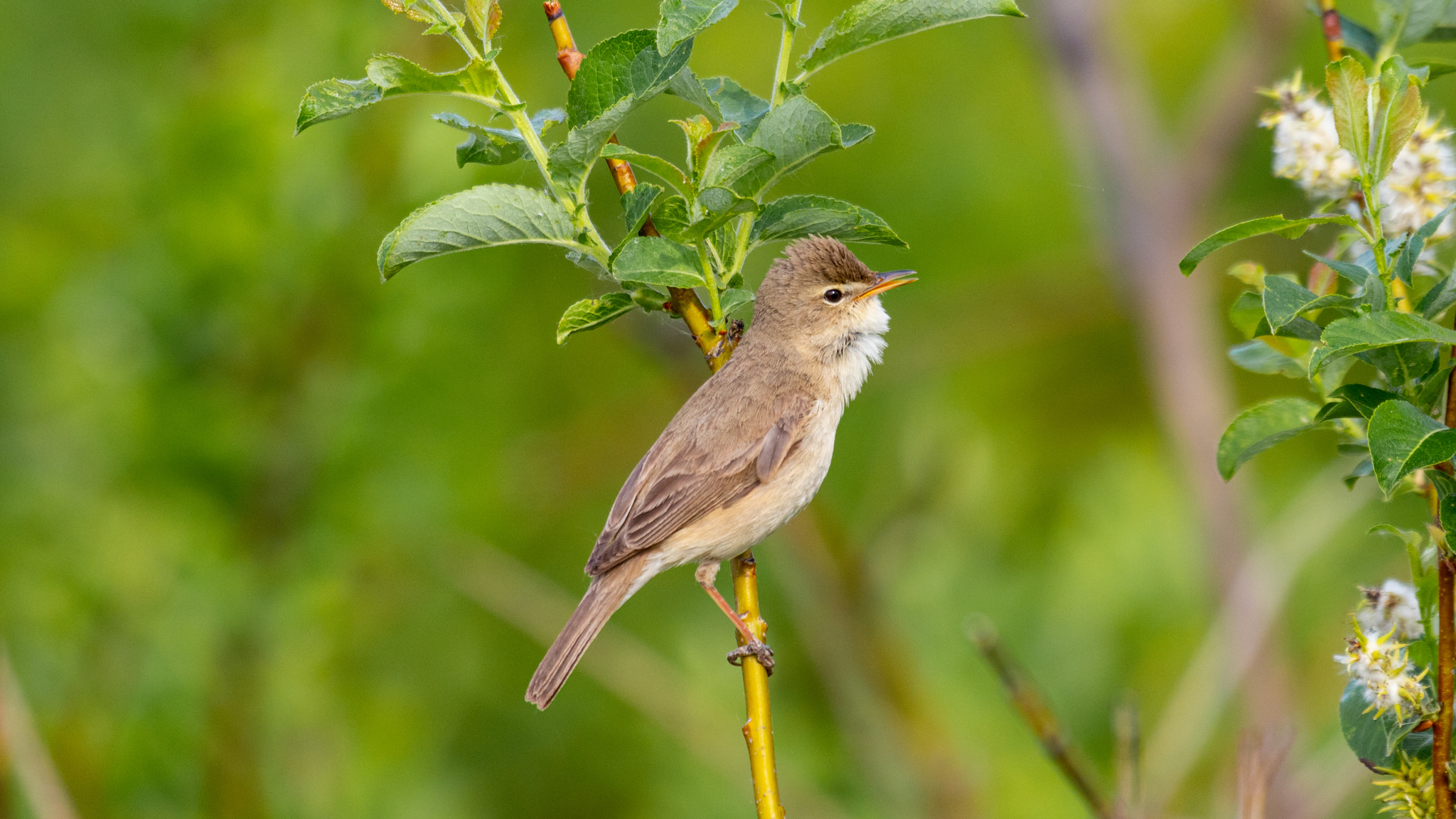

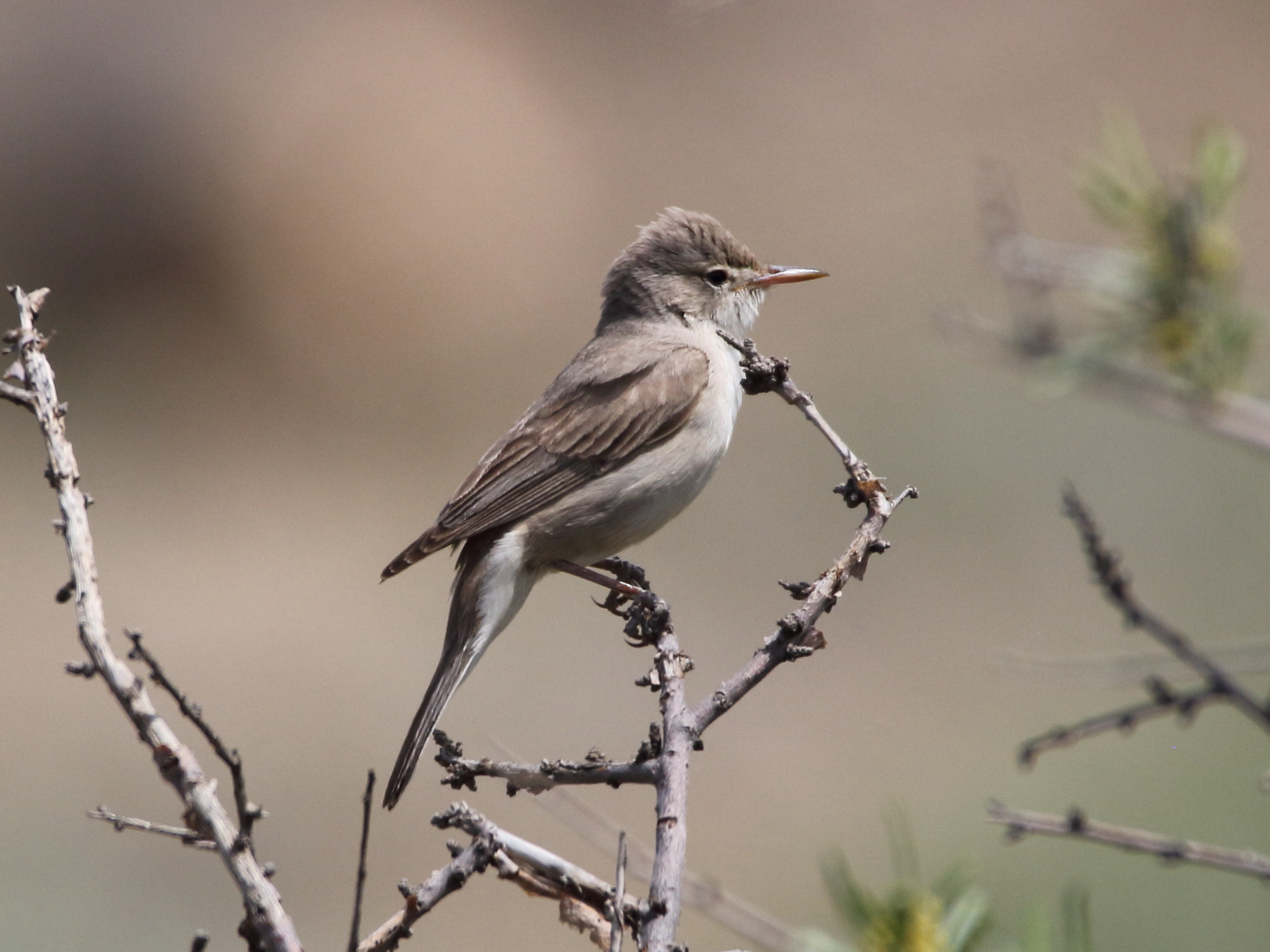
It picks dry, open places with bushes or a few trees, cultivated land included. It is especially fond of tamarisk thickets along lakes, rivers and the sea shore. It also lives in scrub between sand dunes and in abandoned orchards. It breeds in south-eastern Europe, the Middle East and western Asia.
The olivaceous warbler breeds in Georgia and also passes through on migration. The first records fall in April, there are many by May and June, and most come from August and September, when the birds head south. October records are few. Most records come from Adjara, followed by Kakheti and Kvemo Kartli. It has also been found in Mtskheta-Mtianeti, Abkhazia, Samtskhe-Javakheti, Tbilisi, Samegrelo, Shida Kartli, Guria, Racha and Imereti. The oldest record is a museum specimen collected near Mtskheta in 1908.
Data: Reptiles.ge + iNaturalist · Methodology
- Field observation
- Several records in one spot
- Region with records
It eats insects and spiders, which it picks from the twigs and leaves of bushes and trees. Like most warblers, it is an insect-eater.
It is a migrant: northern populations spend the winter in tropical Africa or Arabia, while in the south it is resident. It reaches northern Europe only rarely, as a vagrant. The song is a fast, nasal babble. In the breeding season the male rises steeply near the nest while singing, then glides down on a slanting line. It builds its nest straight after arrival, and the nest looks very like an icterine warbler's. It usually sits in a thorny bush or a small tree, 0.5–2 m above the ground. In the north the female lays 4–5 eggs, in the south more often 2–3. In the north breeding starts in the first half of June. In the south it may lay twice a year, in May and in June–July, and the last young become independent in August.
Globally the olivaceous warbler's risk of extinction is rated low (LC, 2024). It breeds from south-eastern Europe and the Middle East to western Asia. In Georgia's national assessment (2021) its risk is also rated low (LC), and its numbers are stable. The list of the birds of Georgia gives it as a breeder and migrant.
Related guides
Continue with related pages
Yes. It breeds in Georgia and also passes through on migration. It does not spend the winter here: after breeding it flies south. It has been photographed and ringed in Georgia. Watch dry, bushy places and tamarisk thickets along water.
By the bill and the shape of the head. The olivaceous warbler has a longer bill, a lower forehead and a paler eyebrow. It flicks its tail downward in a characteristic way. If a pale brown bird in a bush moves its tail like this, that is a good sign.
Insects and spiders. It picks them from the twigs and leaves of bushes and trees. Like most warblers, it is an insect-eater.
Low down, usually in a thorny bush or a small tree, 0.5–2 m above the ground. The nest looks very like an icterine warbler's. In the north it lays 4–5 eggs, in the south more often 2–3. In the south it may breed twice a year.
Yes, it does not spend the winter in Georgia. Northern populations winter south of the Sahara in Africa, or in Arabia. Southern populations are resident. It reaches northern Europe only rarely, as a vagrant.
No, it is harmless to people. Globally its risk of extinction is low (LC, 2024). In Georgia's national assessment (2021) its risk is also low (LC), and its numbers are stable. Do not catch wild birds.
References
What this profile is based on
Species profiles are compiled from peer-reviewed literature and established biodiversity databases, and are reviewed as new taxonomic and conservation data become available.
Prepared by the Reptiles.ge editorial team from the sources listed here.