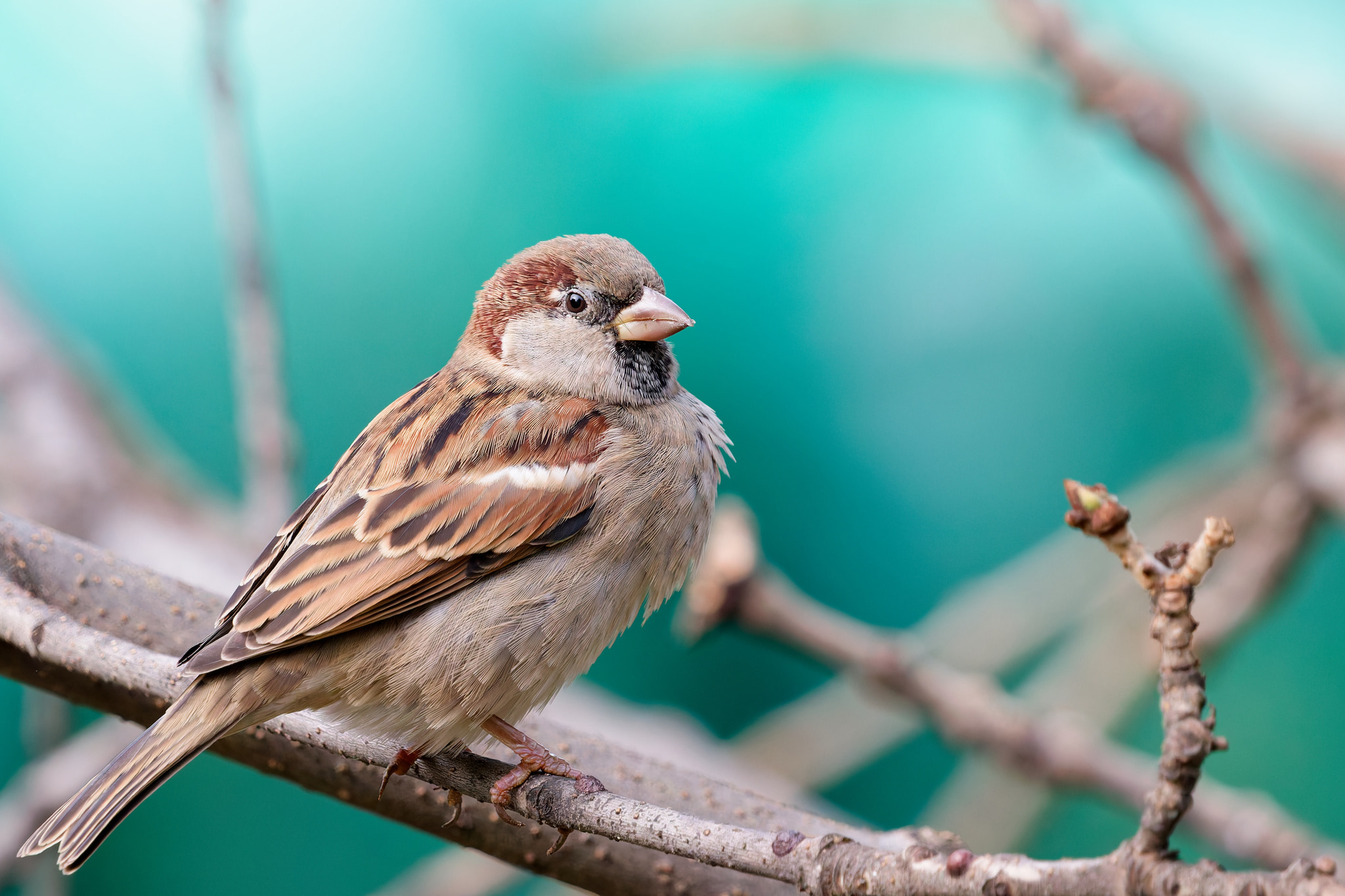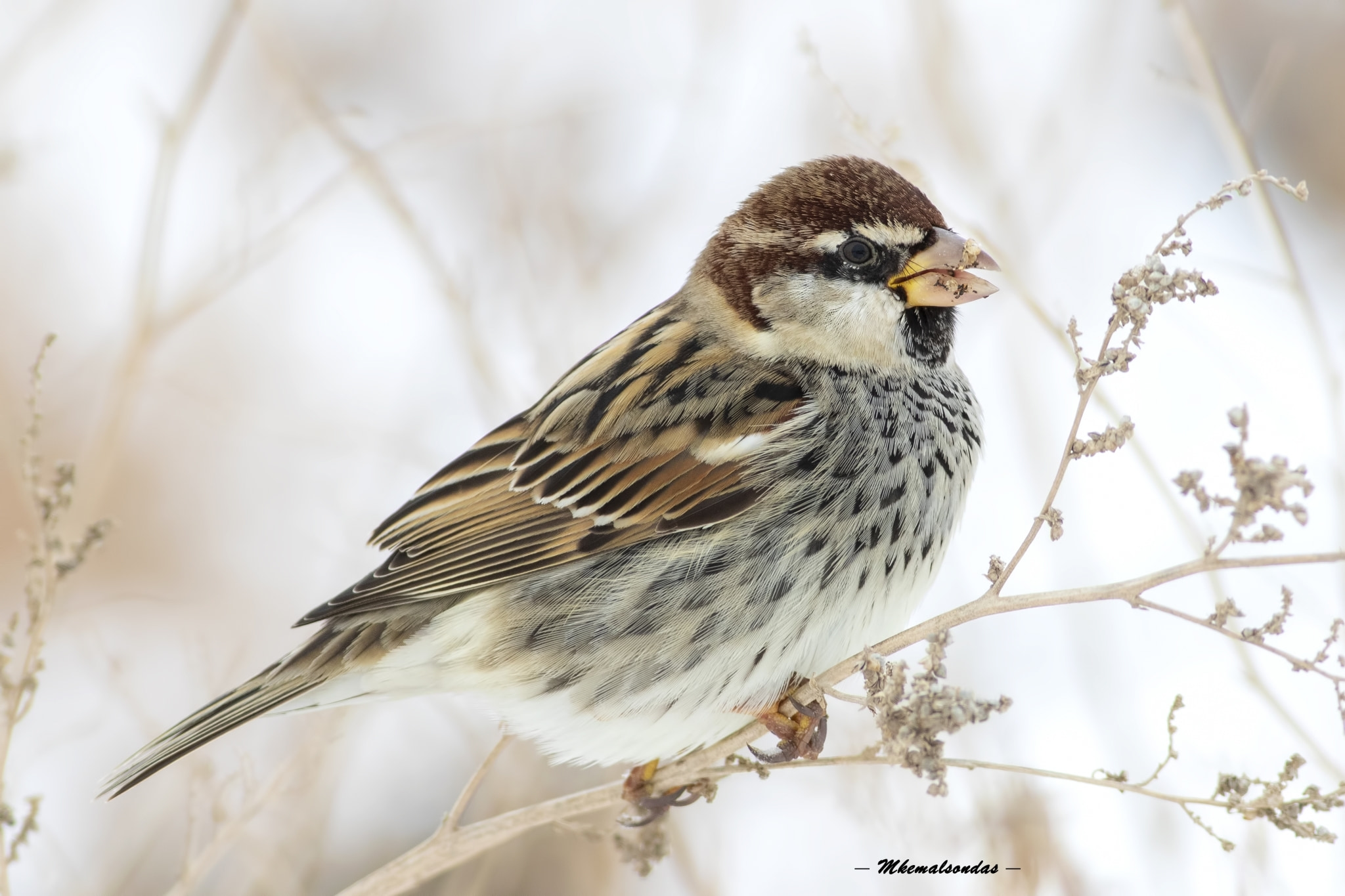

Rock sparrow
Petronia petronia
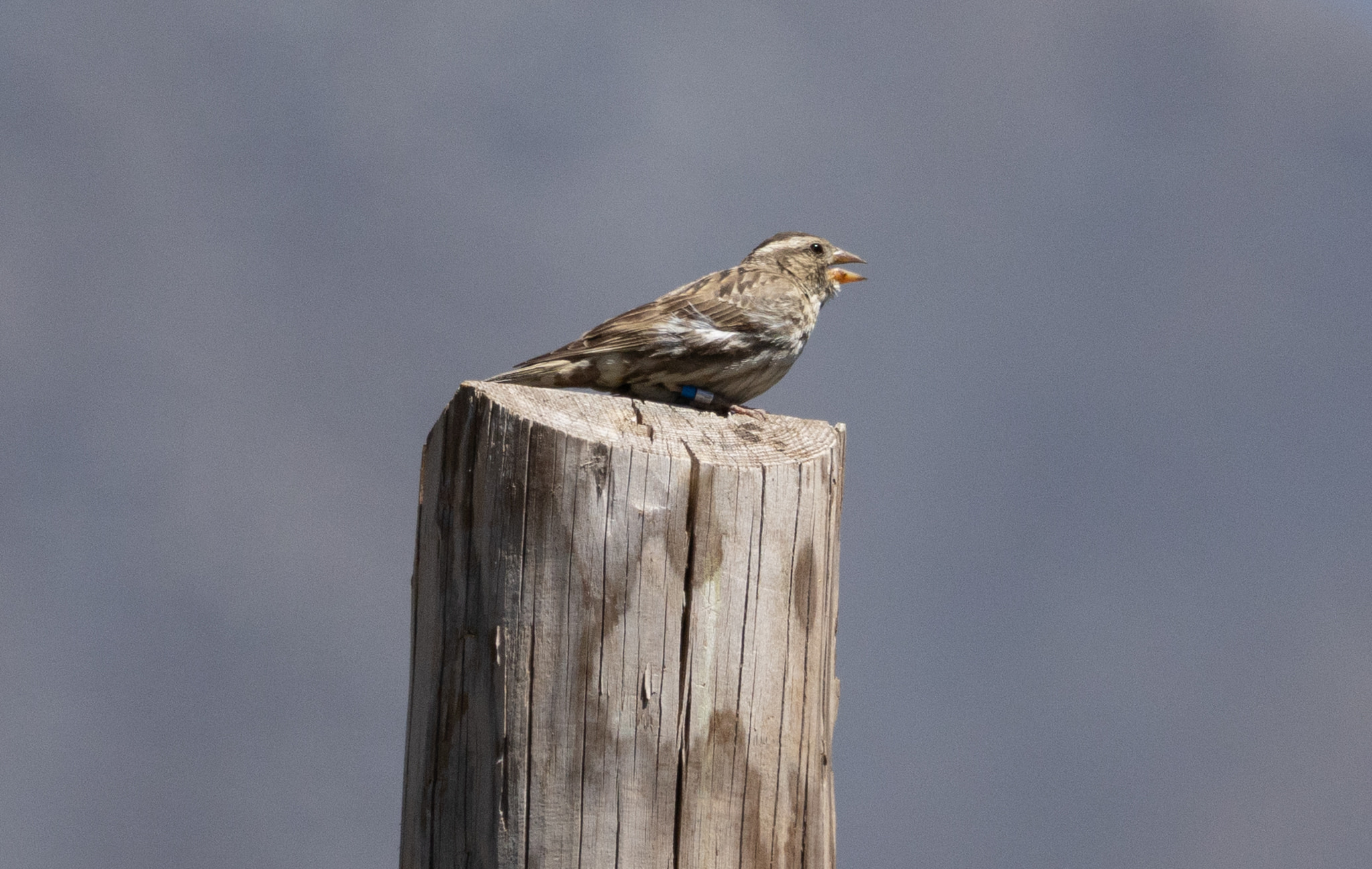
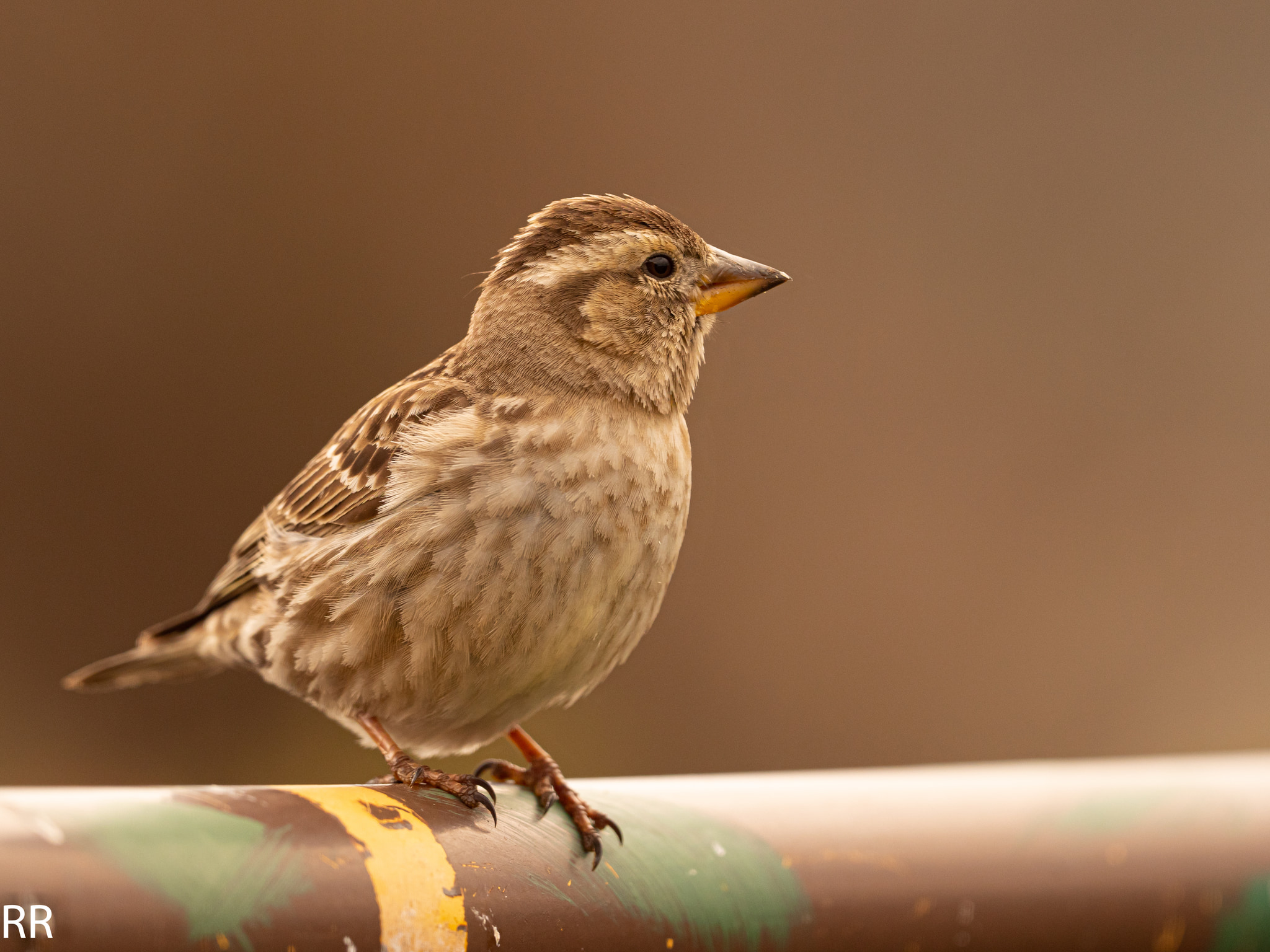
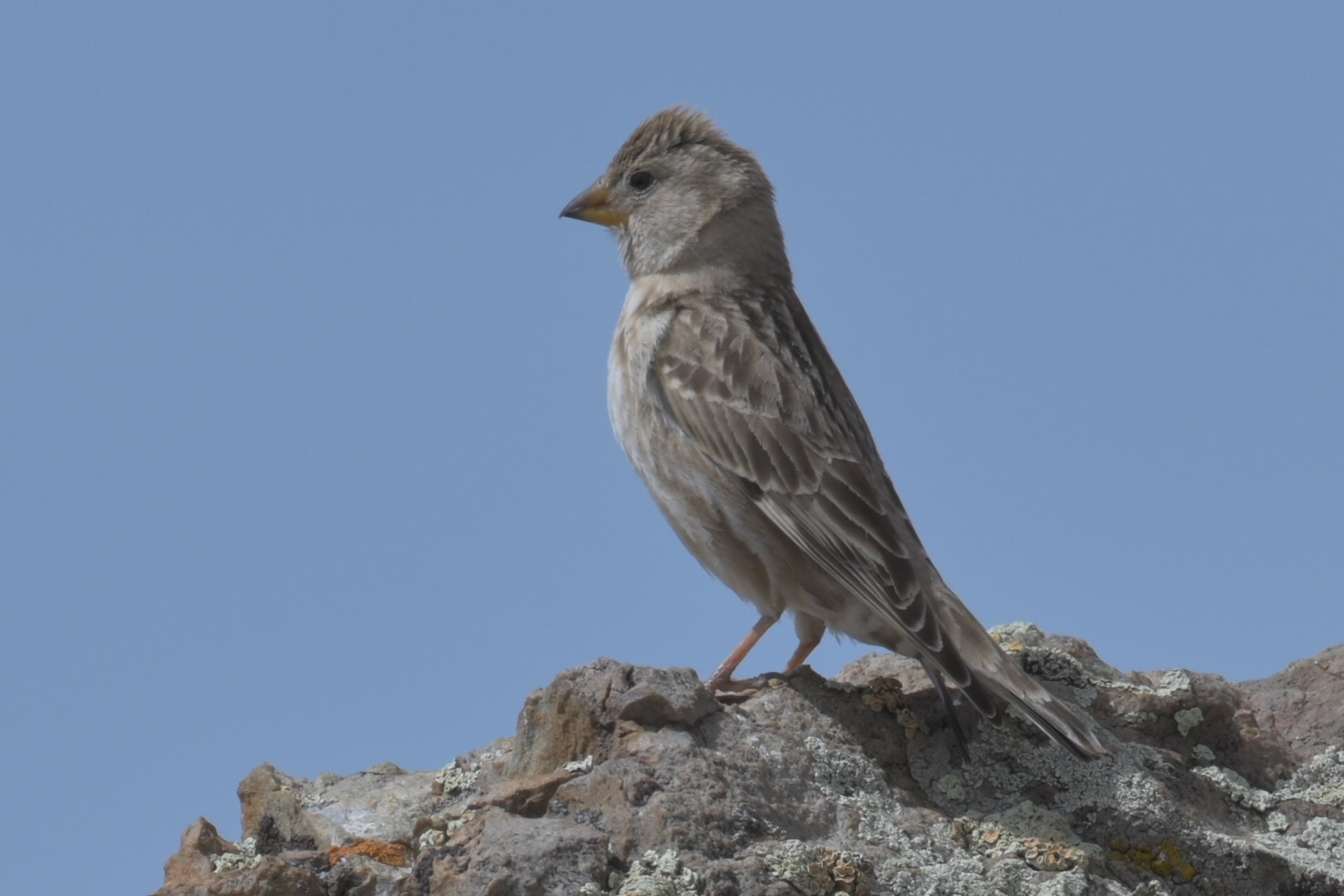
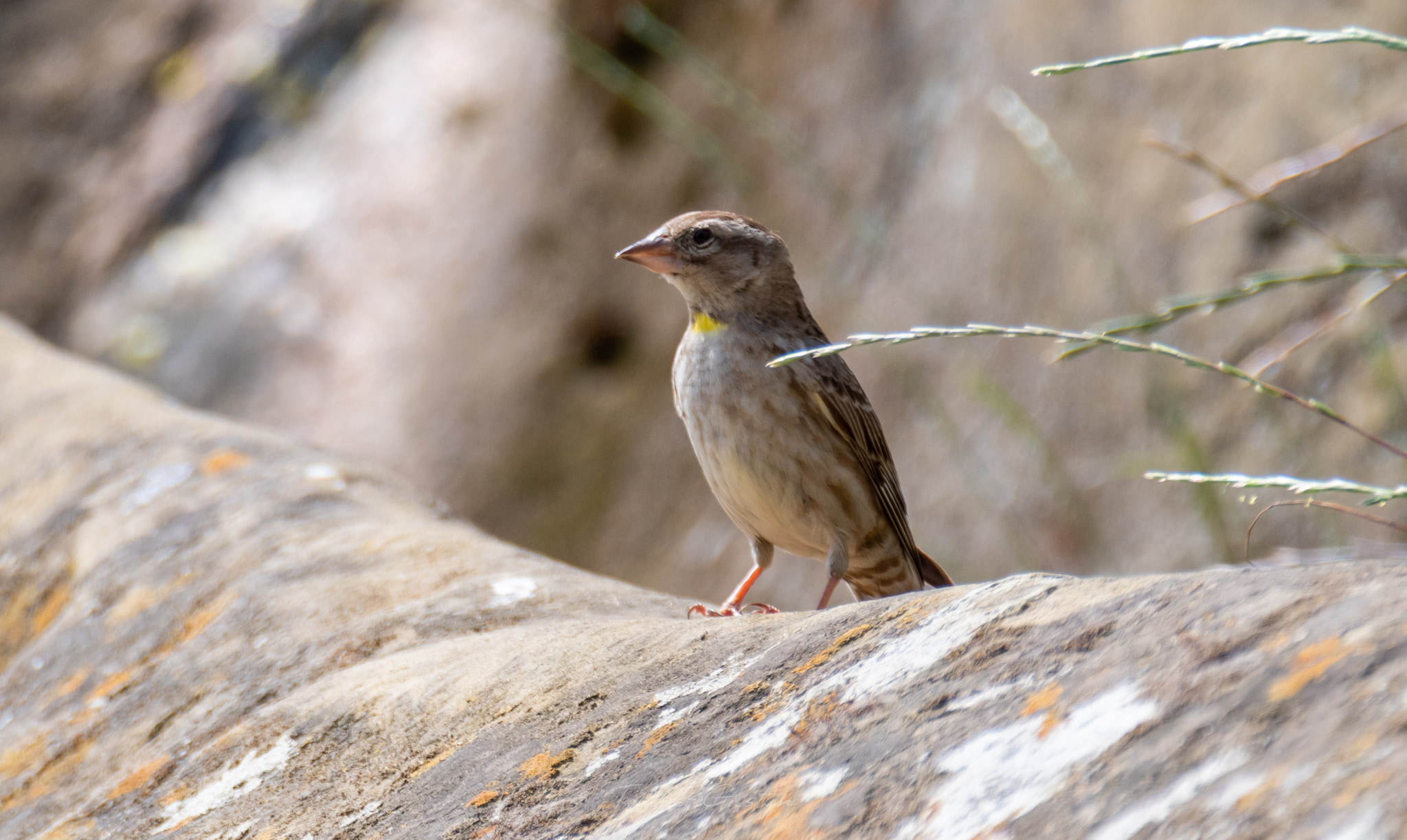
Tomasz Gustyn · Tetritskaro, Kvemo Kartli Georgia field photo
Key facts in one look
- Size
- 15–17 cm
- Diet
- Seeds, berries; insects in spring
- Status in Georgia
- Year-round resident, breeds
- Habitat
- Stony hills, cliffs, mountain slopes
- Family
- Passeridae
- Protection
- Globally LC, 2016; in Georgia LC, 2021
The rock sparrow is the only species in its genus, a sparrow of bare, stony slopes. It is slightly larger than a house sparrow, with a thick bill, a bold white eyebrow and a small yellow spot on the breast. In Georgia it lives and breeds all year round. It nests in colonies, in rock crevices and old burrows of other birds. If a flock of sparrows runs like larks over a stony slope, look closely at the eyebrow.
Identification
Rock sparrow: how to identify it
A grey-brown sparrow, 15–17 cm long and slightly larger than a house sparrow. It has a bold whitish stripe over the eye, a small yellow spot on the breast and a thick, conical bill.
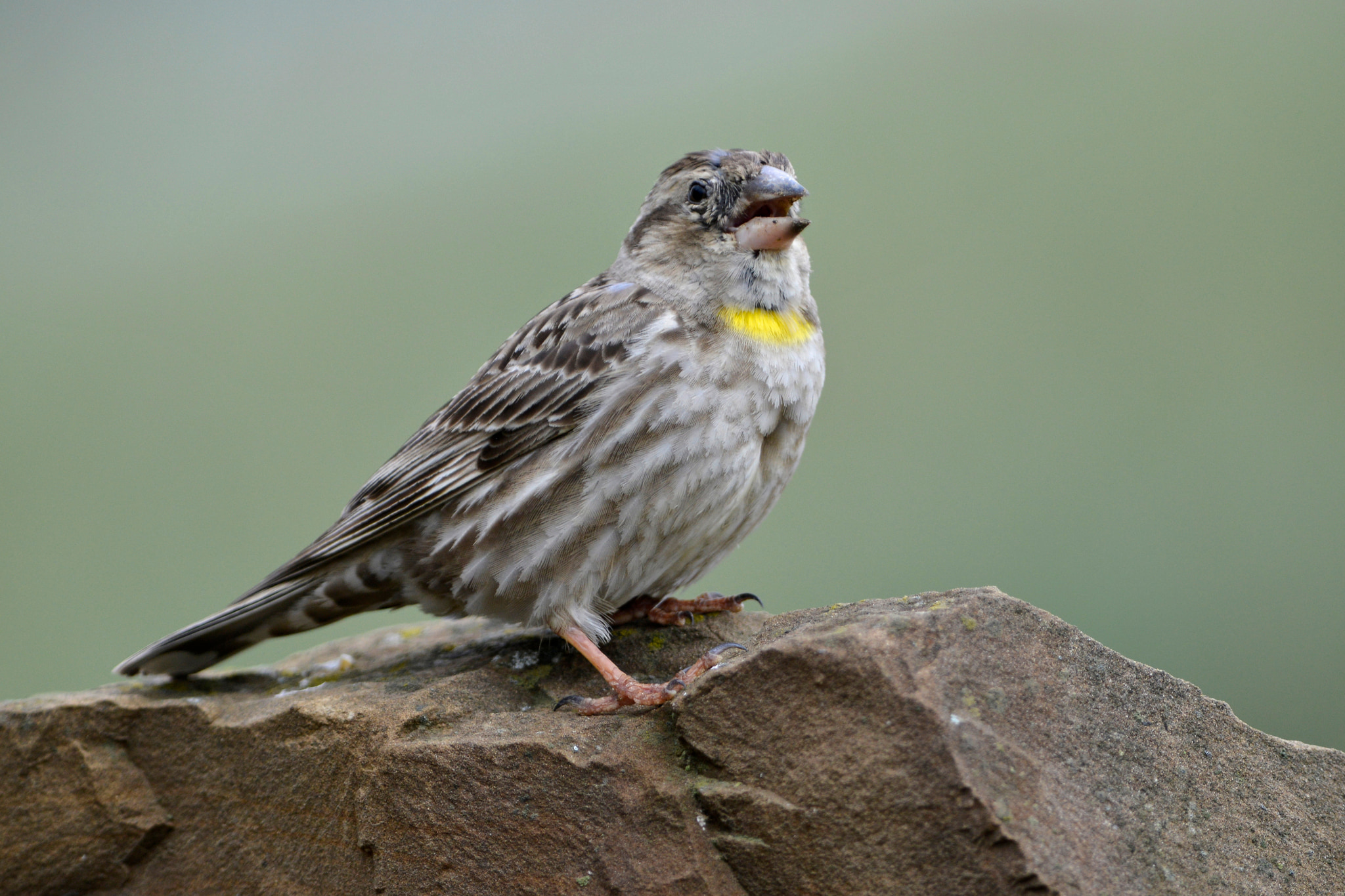
Length 15–17 cm. It is slightly larger than a house sparrow, with a noticeably thicker, conical bill. Males and females look almost the same.
The overall tone is grey-brown. The back and wings are patterned brown, the underparts streaked. A bold whitish stripe runs over the eye, with a weaker pale stripe along the crown. The tail feathers have white tips, which show in flight.
A lemon-yellow spot sits on the upper breast, brighter in males. It is the key mark, but hard to see from afar. The bird resembles a female house sparrow: if you see a bold white eyebrow and a thick bill on a stony slope, it is a rock sparrow.
Colour
Swatches are illustrative. Do not identify a species by colour alone.
It is a bird of bare, stony hills and mountain slopes. In foothills and mountains it picks screes and cliffs. Where the country suits it, it also settles in villages and nests in buildings. It does not live far from water and does not fly far to drink. In Georgia it has been seen in the Vashlovani and Chachuna area in 2009 and near Kaspi.
The rock sparrow lives and breeds in Georgia all year round. There are records from every month, most of them in May and few from November to February. Most records come from Kakheti, Kvemo Kartli and Samtskhe-Javakheti. It has also been found in Shida Kartli, Tbilisi, Mtskheta-Mtianeti, Samegrelo-Zemo Svaneti and Adjara. The oldest record is a museum specimen collected near Tbilisi in 1916.
Data: Reptiles.ge + iNaturalist · Methodology
- Field observation
- Several records in one spot
- Photo record
- Region with records
It forages mainly on the ground. It eats seeds all year and berries in autumn. In spring invertebrates join the menu, especially caterpillars and grasshoppers. The same insects go to the young. It also eats green parts of wild and cultivated plants. It needs drinking water, so it settles near a spring, stream or well.
It is a gregarious, sociable bird. On stones and rocks it walks and runs fast like a lark, and its flight is quick and agile. After breeding it gathers in flocks and roams widely in search of food. In Central Asia flocks of 100–500 birds form from August to April. Flock members keep in touch with quiet chirps, and the song is loud and wheezy. It nests in colonies, sometimes quite large ones. The nest goes into crevices in rocks and walls, gaps between stones, holes in steep slopes and tree holes. It often takes over an old burrow or nest of another bird, such as a sand martin, bee-eater or rock nuthatch. It does not dig a burrow itself. The nest is a loose, untidy and fairly large heap of dry grass stems, lined with feathers, hair and plant down. It lays 4–7 eggs.
Globally the rock sparrow's risk of extinction is rated low (LC, 2016). It is widespread from North Africa and southern Europe through the Caucasus, Central Asia and Mongolia to China. In Georgia's national assessment (2021) its risk is also rated low (LC), and its numbers are stable. The list of the birds of Georgia gives it as a year-round resident and breeder.
Related guides
Continue with related pages
Yes. It lives and breeds in Georgia all year round. The subspecies in the Caucasus is P. p. exigua. It has been seen in the Vashlovani and Chachuna area and near Kaspi. Look for it on dry, stony slopes with water nearby.
The rock sparrow is slightly larger and has a thicker, more conical bill. A bold whitish stripe runs over the eye, with a paler stripe along the crown. The underparts are streaked, and the tail has white spots at the tip. The yellow breast spot is a reliable mark but hard to see.
Seeds all year, and berries in autumn. In spring invertebrates, especially caterpillars and grasshoppers. It feeds these insects to its young too. It finds most of its food on the ground.
In crevices in rocks and walls, gaps between stones, holes in slopes and tree holes. It often takes over an old burrow or nest of another bird and never digs one itself. It nests in colonies. It lays 4–7 eggs.
In Georgia it stays all year. After breeding it gathers in flocks and roams widely for food. In the west of its range it is resident. Some Asian birds move south or down the mountains in winter.
No, it is harmless to people. Globally its risk of extinction is low (LC, 2016). In Georgia's national assessment (2021) its risk is also low (LC), and its numbers are stable. Do not catch wild birds.
References
What this profile is based on
Species profiles are compiled from peer-reviewed literature and established biodiversity databases, and are reviewed as new taxonomic and conservation data become available.
Prepared by the Reptiles.ge editorial team from the sources listed here.