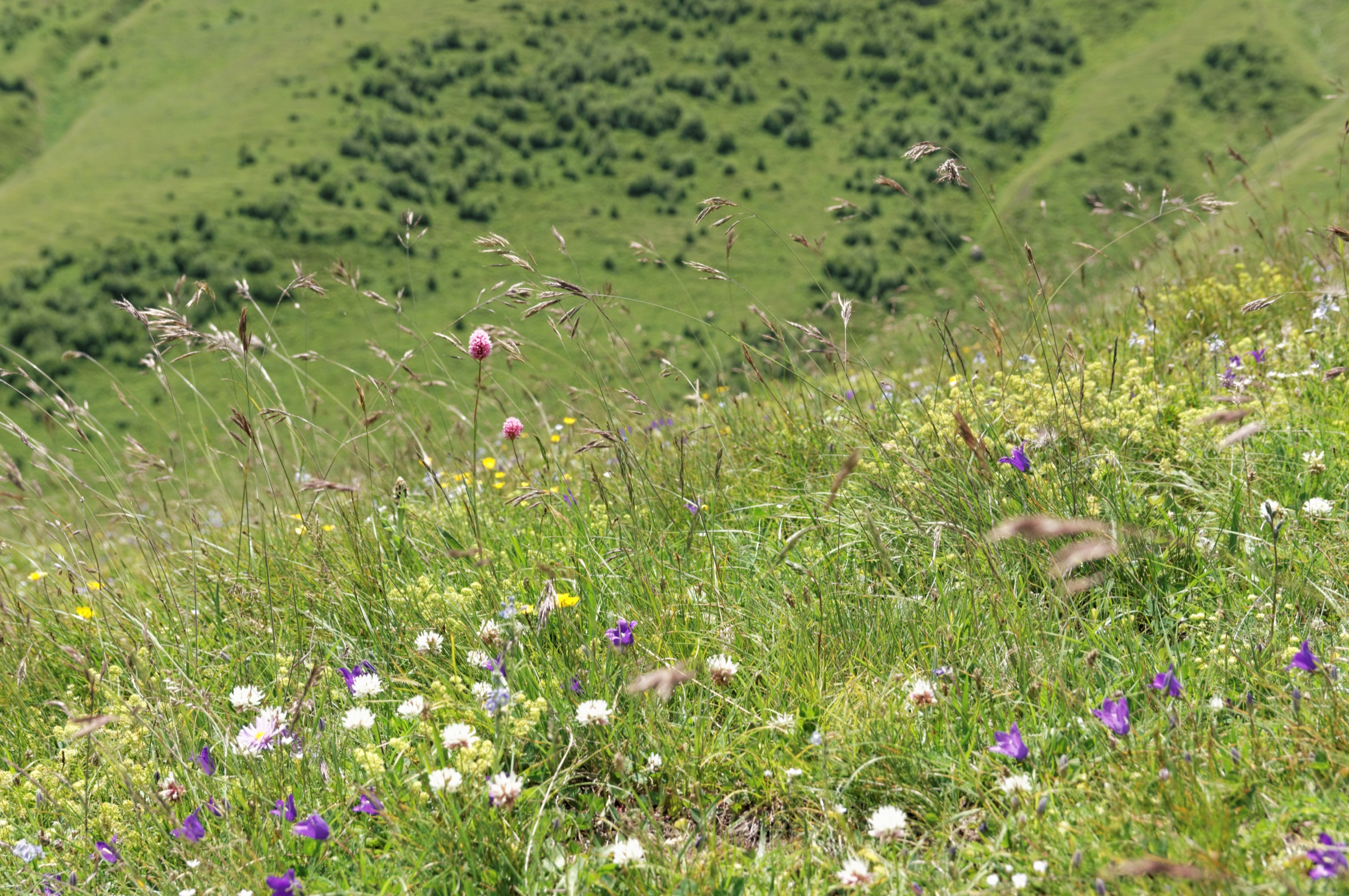
729 goitered gazelles counted in Vashlovani, up from 519 last year
Twelve vehicles crossed the Samukhi plain at the same time, with crews swapping sightings by radio. The herd grew by 210 animals in a year.

This year's count in the Vashlovani Protected Areas found 729 goitered gazelles. In 2025 the same area held 519, so the population grew by 210 animals, about 40%, in one year. The Agency of Protected Areas published the results on 25 November.
Twelve vehicles and a radio link
The count used the parallel transect method. The area was split in advance into sections, and every section was counted at the same time. On the Samukhi plain in Kakheti, 12 vehicles drove along parallel routes.
The crews told each other by radio how many gazelles they saw and where. That way every vehicle knew which herds had already been counted, and no animal was counted twice.
Agency specialists were joined by the agency's deputy chair, Giorgi Kupatadze. This year the Agency of Protected Areas and WWF, the World Wide Fund for Nature, ran the count together.
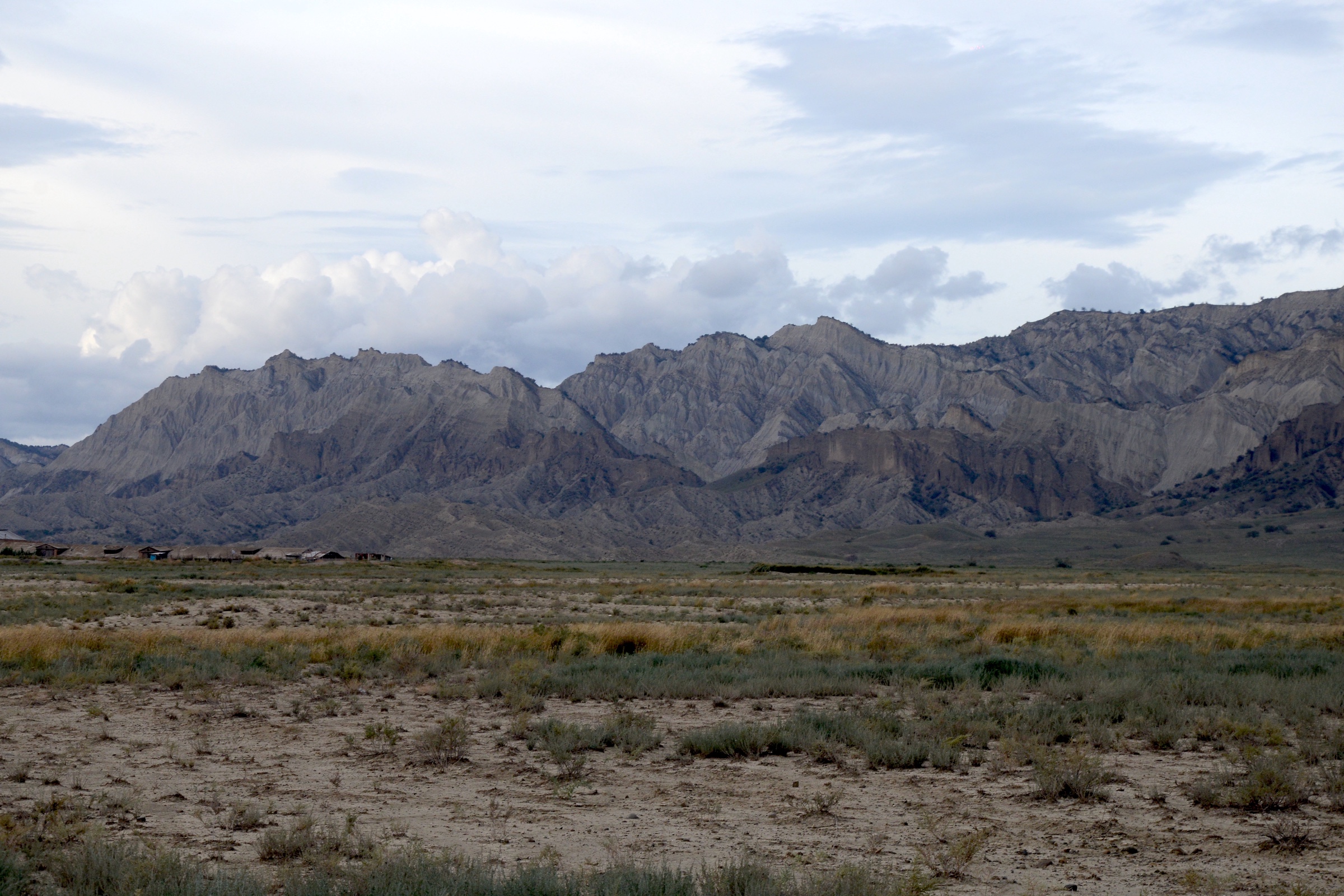
From 519 to 729
In 2025, 519 goitered gazelles were recorded in the Vashlovani Protected Areas. This year's 729 is 210 more. Counts from earlier years also showed growth: the population is increasing step by step and settling into the wild.
In 2021 the number of gazelles brought from Azerbaijan passed 200 in Georgia. Five years later, 729 were counted in Vashlovani.
Regular estimates of numbers and trends are needed to plan protection and restoration well. A yearly count shows whether that work is paying off.
From Azerbaijan to the Samukhi plain
The goitered gazelle disappeared from Georgia at the end of the 20th century. The 2014 Red List of Georgia lists it as regionally extinct. Worldwide the goitered gazelle is Vulnerable (VU, IUCN 2017).
The restoration project began in 2013: gazelles were brought from Azerbaijan and released on the Samukhi plain in the Vashlovani Protected Areas. WWF has worked on it with the agency for years.

Azerbaijan also moves gazelles within its own borders: it recently took 10 animals to Nakhchivan. In Vashlovani itself, 500 Colchian pheasants were released at the end of October.