An online checklist of Georgia's plants is under way
Georgian and German botanists are building a new digital list of the country's vascular plants. Every species will need a herbarium specimen behind it.
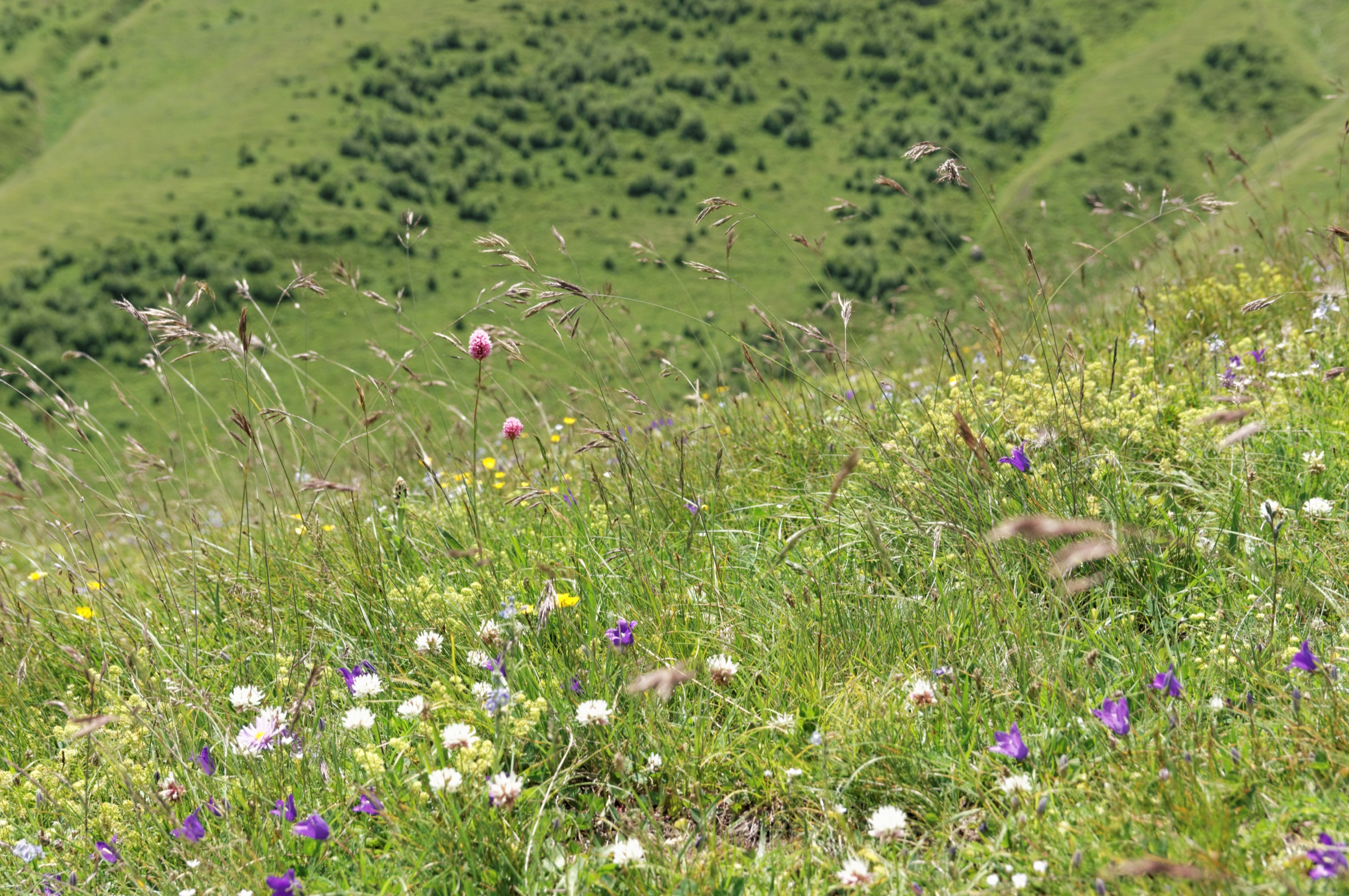
Georgia has about 4,300–4,400 species of vascular plants, and some 300 of them grow nowhere else. There is still no complete, up-to-date list of them. On 19 October the journal Caucasiana published a project that turns that list into an online database that will keep being updated.
Why the existing lists fall short
Georgia's flora has been studied for more than two centuries. The second edition of the Flora of Georgia covers about 3,800 species in 16 volumes, but it is not finished: volume 17, on the grasses, one of the most complex and important families, has not come out yet.
The country also has two checklists, from 2005 and 2018. The latest lists 4,275 species, but it lacks a full synonymy, uses incorrect names in places, does not separate native from introduced species and does not back species with herbarium specimens.
The various works were written at different times under different taxonomic systems. So one plant can be a species in its own right in one book and a form of another species in the next. Genus boundaries are dated too: recent genetic studies have not yet fully reached the Caucasian literature.
How the new checklist is built
The project brings together the Niko Ketskhoveli Institute of Botany at Ilia State University, the Botanic Garden and Botanical Museum Berlin, Batumi Botanical Garden and the Georgian National Museum. It is not a new edition of the 2005 and 2018 lists but an entirely new digital resource, in Georgian and English.
The starting data came from Euro+Med PlantBase, a database of the plants of Europe and the Mediterranean that already covers at least 90% of Georgia's species and names. Names from the Flora of Georgia that were missing there were added by hand. Botanists are now checking this backbone genus by genus and species by species.
Each species will have its scientific name, synonyms, a map of its distribution across Georgia's regions and notes where scientists disagree about its status. The team is cautious with local endemics: if there is not enough evidence to merge one with another species, it stays on the list on its own.
A herbarium sheet as evidence
The list will include native species and those established in the wild. An introduced plant counts as established if its population has been reproducing on its own in the wild for about 25 years. Plants known only from gardens are left out.
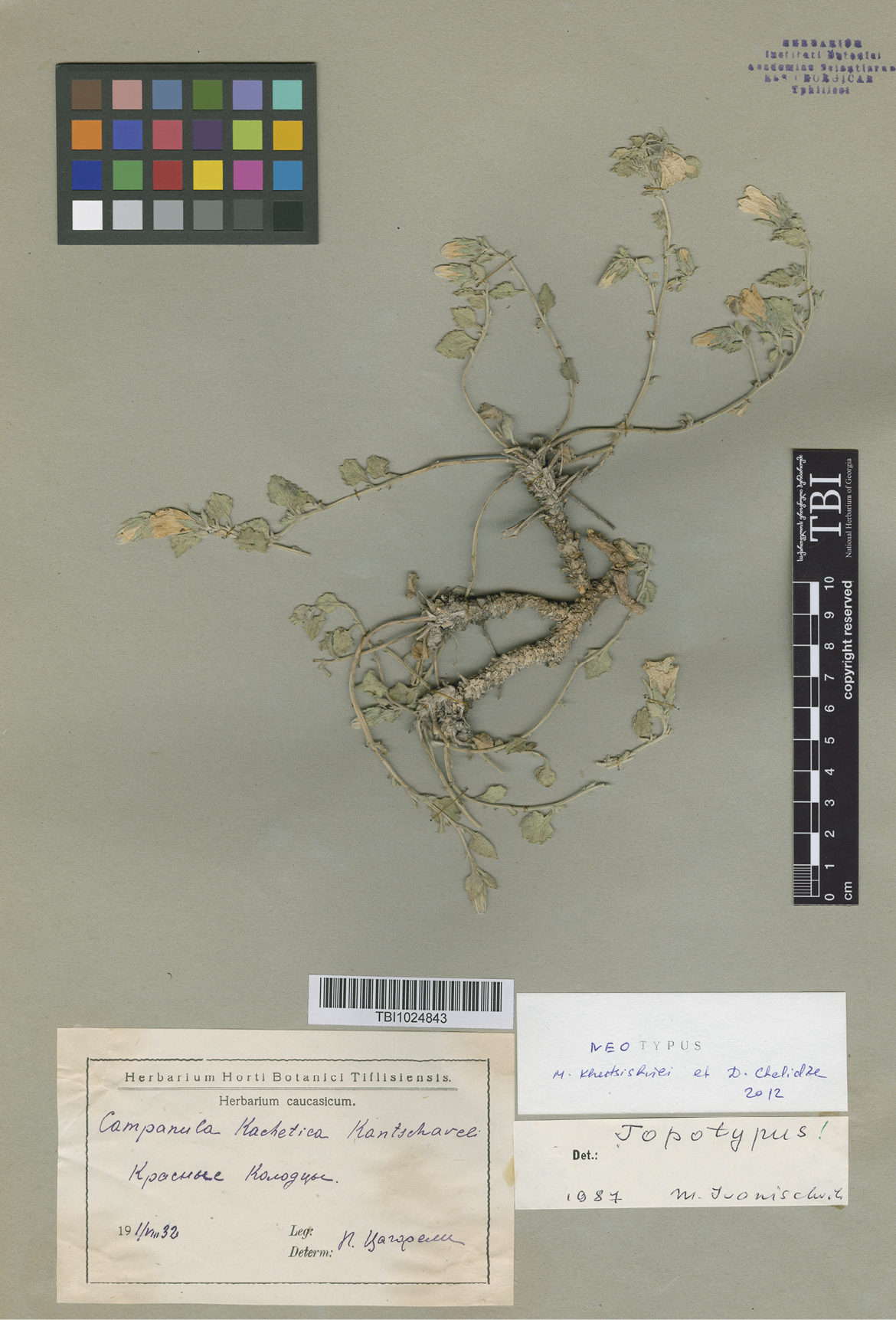
Where no published record exists, a species gets on the list only with a specimen kept in a public herbarium. Species likely to grow in Georgia but without a specimen go into a separate appendix as "expected". Species reported in error are recorded separately too.
The main collection is the National Herbarium of Georgia: about a million specimens, including some 1,500 type specimens, the ones a species was first described from. Part of the collection is already digitised and available online.
When it goes public
For now the portal is an internal workspace. It will go public once the taxonomic review is far enough along. Part of the genera have already been checked, and the review of species has begun.
The checklist will support the national biodiversity strategy, universities and schools, conservation organisations and iNaturalist users who fill gaps in plant distribution in the field.
The same volume 5 of Caucasiana carried the new checklist of Georgia's amphibians and reptiles. That is the checklist reptiles.ge follows for the status of its amphibian and reptile species.