Up to 800 Colchian pheasants moved to the Chachuna Managed Reserve
The National Wildlife Agency placed up to 800 Colchian pheasants raised at the Chorvila bird farm in an adaptation aviary in the Chachuna Managed Reserve. The birds will stay there for several months and then be released gradually.
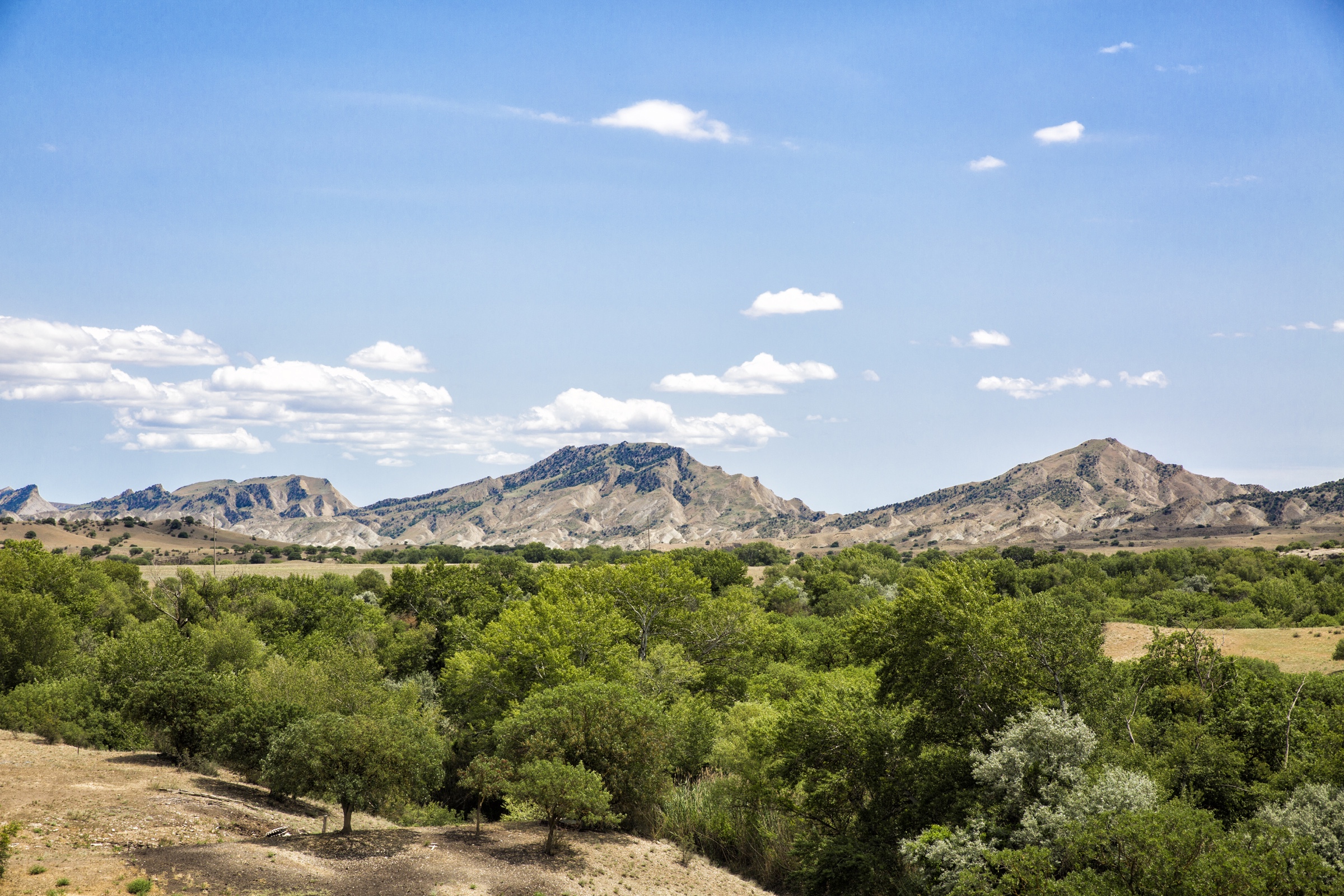
On 13 November 2026, specialists from the National Wildlife Agency moved up to 800 Colchian pheasants to the Chachuna Managed Reserve in Dedoplistskaro Municipality. Unlike in Vashlovani, the birds were not released straight away: first they have to get used to the wild in an adaptation aviary. We have already written about two similar releases this autumn, and Chachuna has the most birds.
What happened in Chachuna?
On 13 November, specialists from the National Wildlife Agency placed up to 800 Colchian pheasants in an adaptation aviary in the Chachuna protected areas. The Chachuna Managed Reserve is in Kakheti, in Dedoplistskaro Municipality. The agency gives no exact number and writes “up to 800”.
The birds were raised at a bird farm in the village of Chorvila, Sachkhere Municipality, which runs with financial support from the Cartu foundation. According to the agency, the farm breeds and restores local populations of Colchian pheasant, chukar and grey partridge, and the birds are released regularly in different regions of the country.
Why an aviary?
The pheasants in Chachuna were not released into the wild straight away. According to the agency, they will spend several months in the aviary, which will help them adjust to the wild and develop the skills to survive on their own. After this adaptation period they will be released gradually. The agency says this project to breed local species and return them to the wild has been running since 2016.
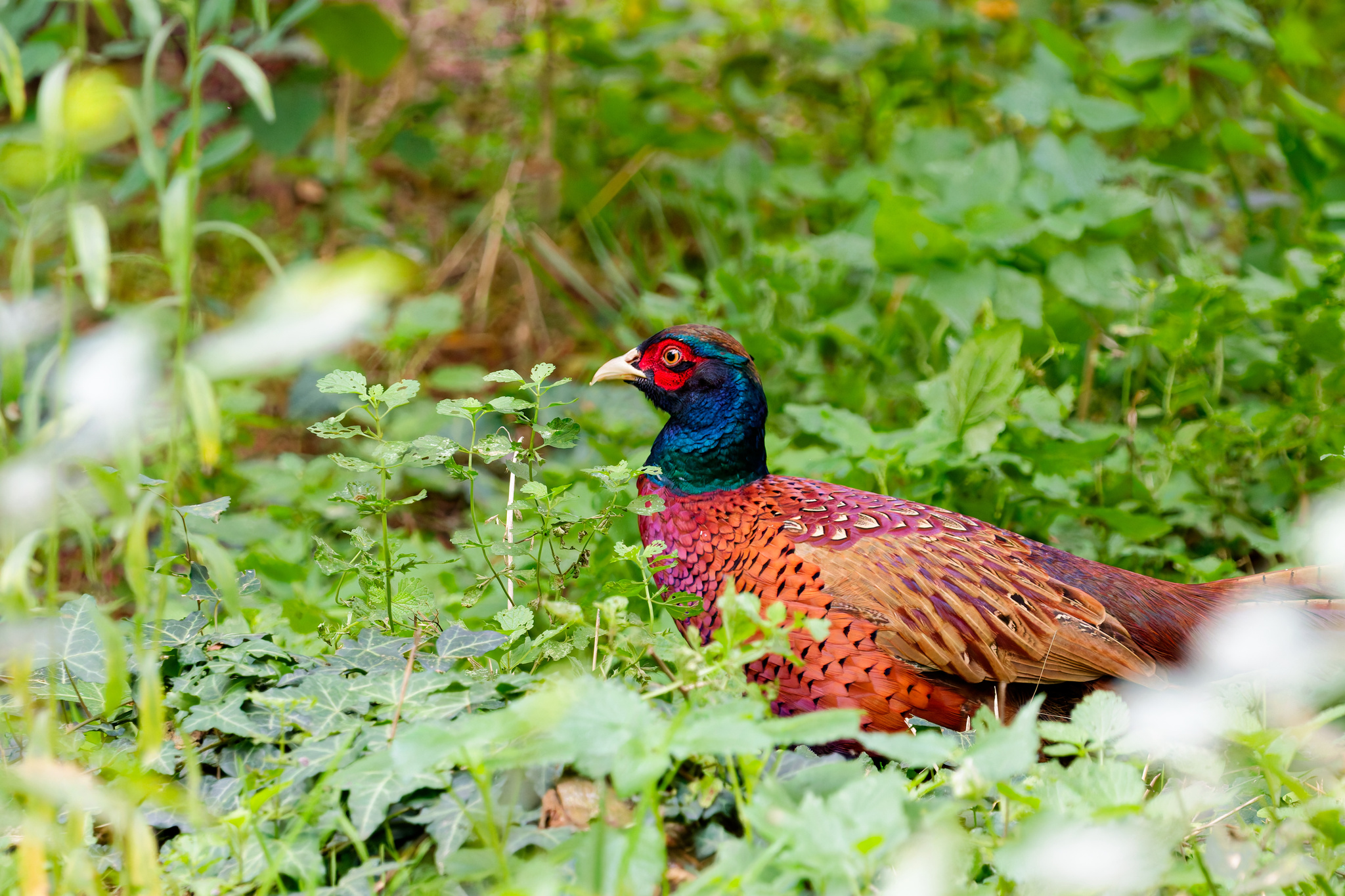
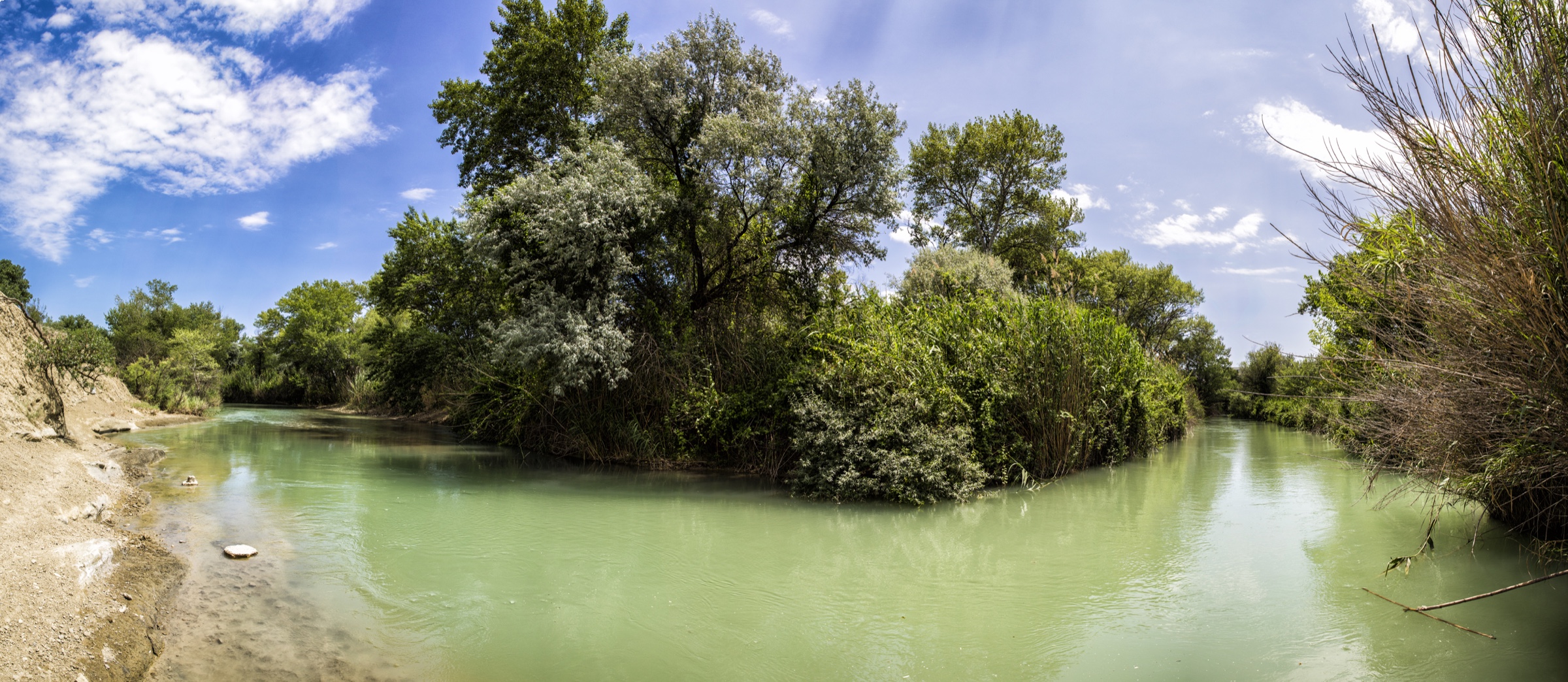
The agency describes the Colchian pheasant as one of Georgia’s oldest residents. It lives in lowlands covered with dense vegetation, in broad river valleys with floodplain forest, in dry meadows with shrubs and in open, dry foothill forests, up to 1,000 metres above sea level.
Other releases this autumn
This is the third such story we have covered this autumn. On 9 October, 100 chukars and 100 grey partridges were released in Borjomi-Kharagauli National Park, and at the end of October 500 Colchian pheasants in the Vashlovani Protected Areas. The Vashlovani announcement named neither a farm nor an aviary, so we do not know whether those birds reached the wild the same way.
What we don’t know
The agency’s announcement does not say when the birds will be released, in which part of Chachuna, or whether they will be monitored afterwards. So we cannot yet say how many pheasants will survive or whether the release will increase the local population.
Origin matters too. Males of the local Colchian, or black-necked, pheasant have no white ring on the neck, while many introduced and farm-bred birds do. The announcement does not say which form the birds raised at Chorvila belong to. Other birds are in the birds section.