Ten new fly species described from Lagodekhi, 111 species new to Georgia
A survey of Lagodekhi Reserve recorded 140 species of true flies. 111 of them were found in Georgia for the first time, and ten are entirely new to science.
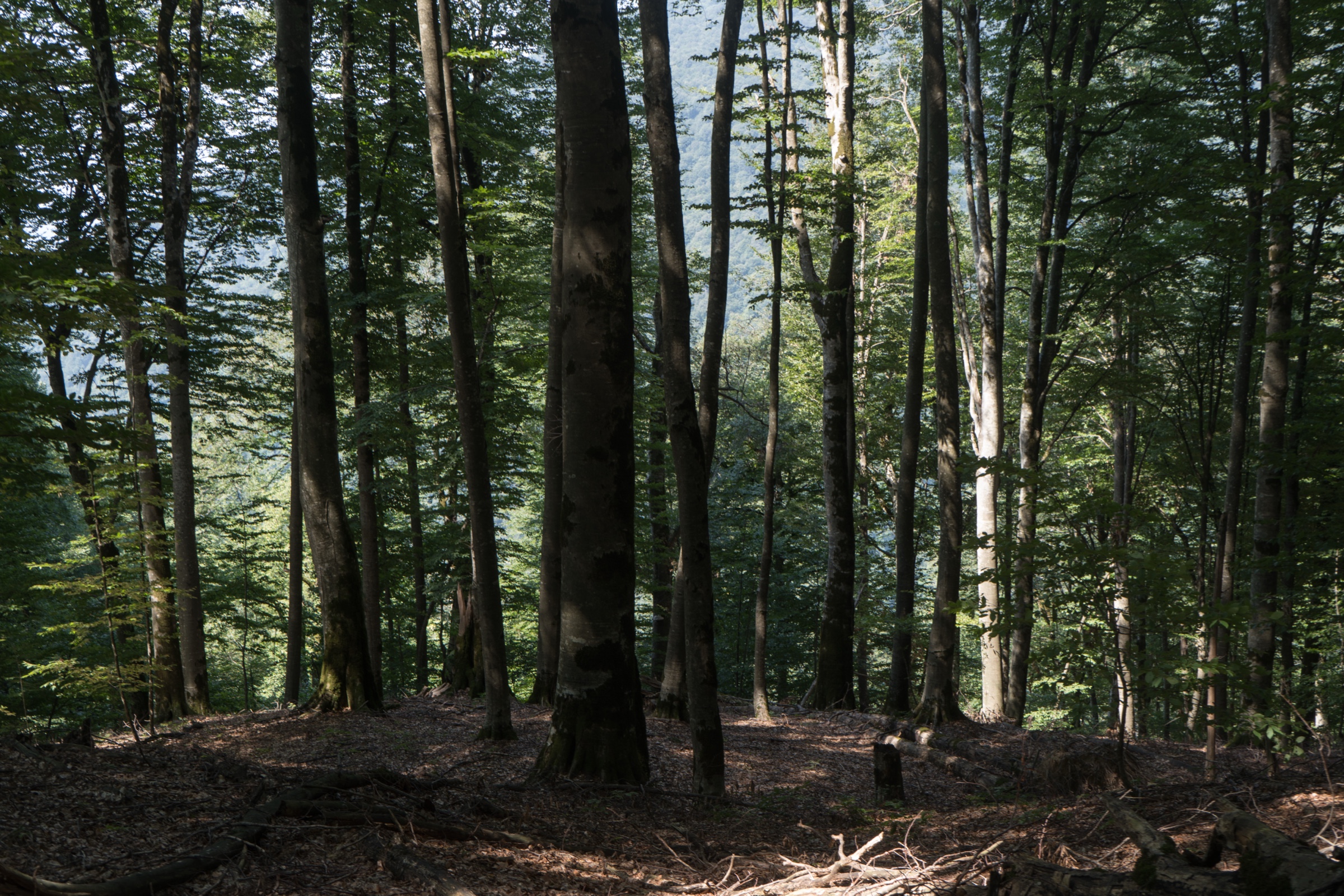
On 15 April 2026 the journal Zootaxa published a survey of the true flies of Lagodekhi Reserve, that is, flies and their relatives. Among the eight authors is the Georgian entomologist George Japoshvili. The paper covers 16 families and describes ten new species.
What was found?
The paper was published on 15 April 2026 in the journal Zootaxa (volume 5793, issue 1). It deals with true flies (Diptera) collected in Lagodekhi Reserve. That is the insect order that includes flies, mosquitoes and their relatives.
The authors recorded 62 genera and 140 species in 16 families. Seven of the families had not been recorded in Georgia before, 54 of the 62 genera are new to the country, and 111 of the 140 species were found in Georgia for the first time. Ten species are new to science altogether and are described in this paper for the first time.
Ten new species
Two families turned out to be the most diverse: the Sphaeroceridae, with 39 species, and the Agromyzidae, with 27. All ten new species belong to these two families. None of them has a Georgian name, so we use their Latin names.
Owen Lonsdale described the seven new agromyzids: Liriomyza priapus, Phytomyza alata, Phytomyza affinoides, Phytomyza orphne, Phytomyza pilosinomia, Phytomyza skia and Phytomyza villosus. David Brice described the three new sphaerocerids: Copromyza pileus, Gonioneura lagodekhiensis and Terrilimosina irwini. One of them is named directly after Lagodekhi.
What are these flies?
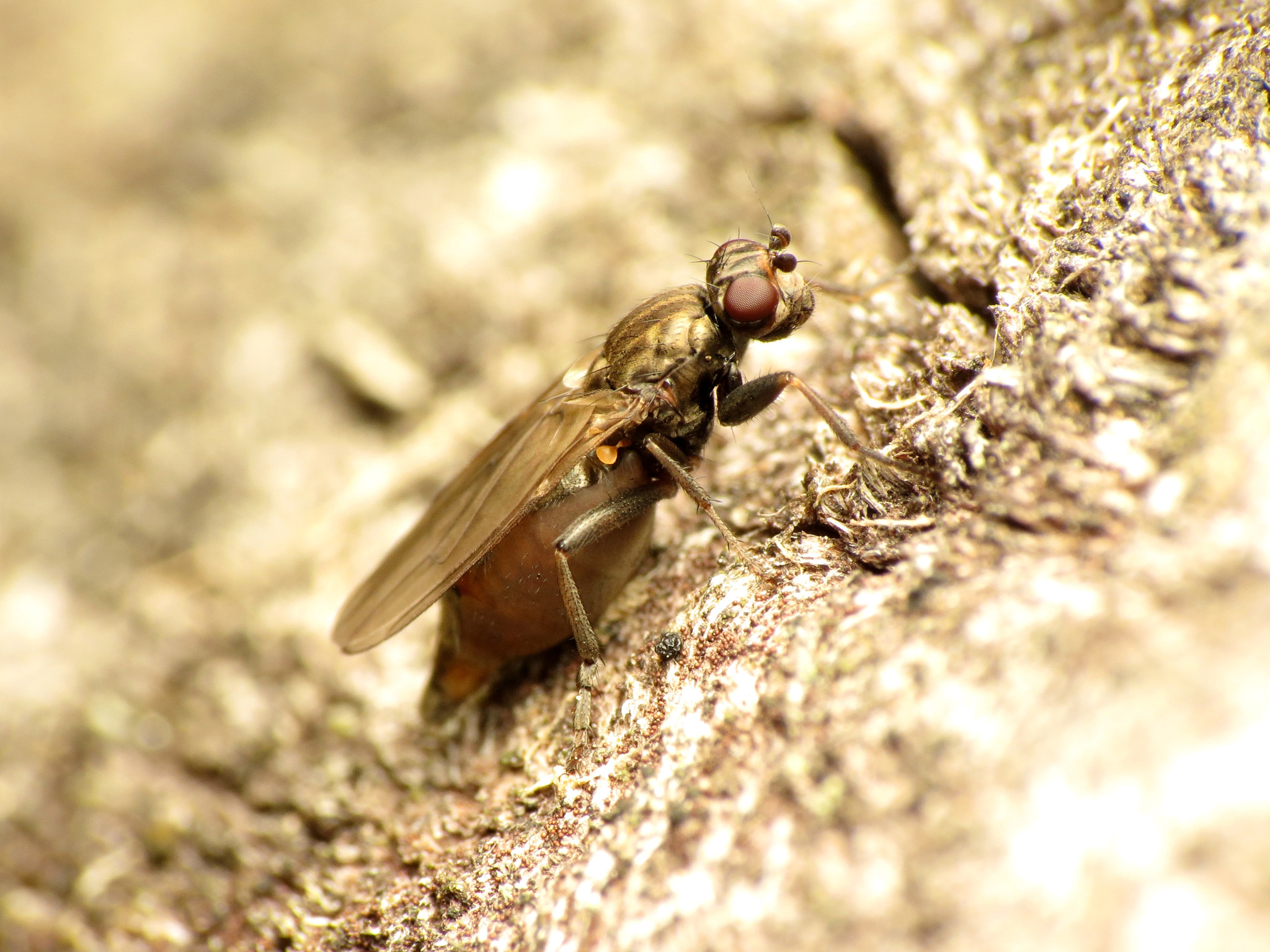
Sphaerocerids are known in English as lesser dung flies. They are small flies that live on dung, rotting plant matter and forest litter. Hardly anyone notices them, yet they are numerous and take part in breaking down organic waste.
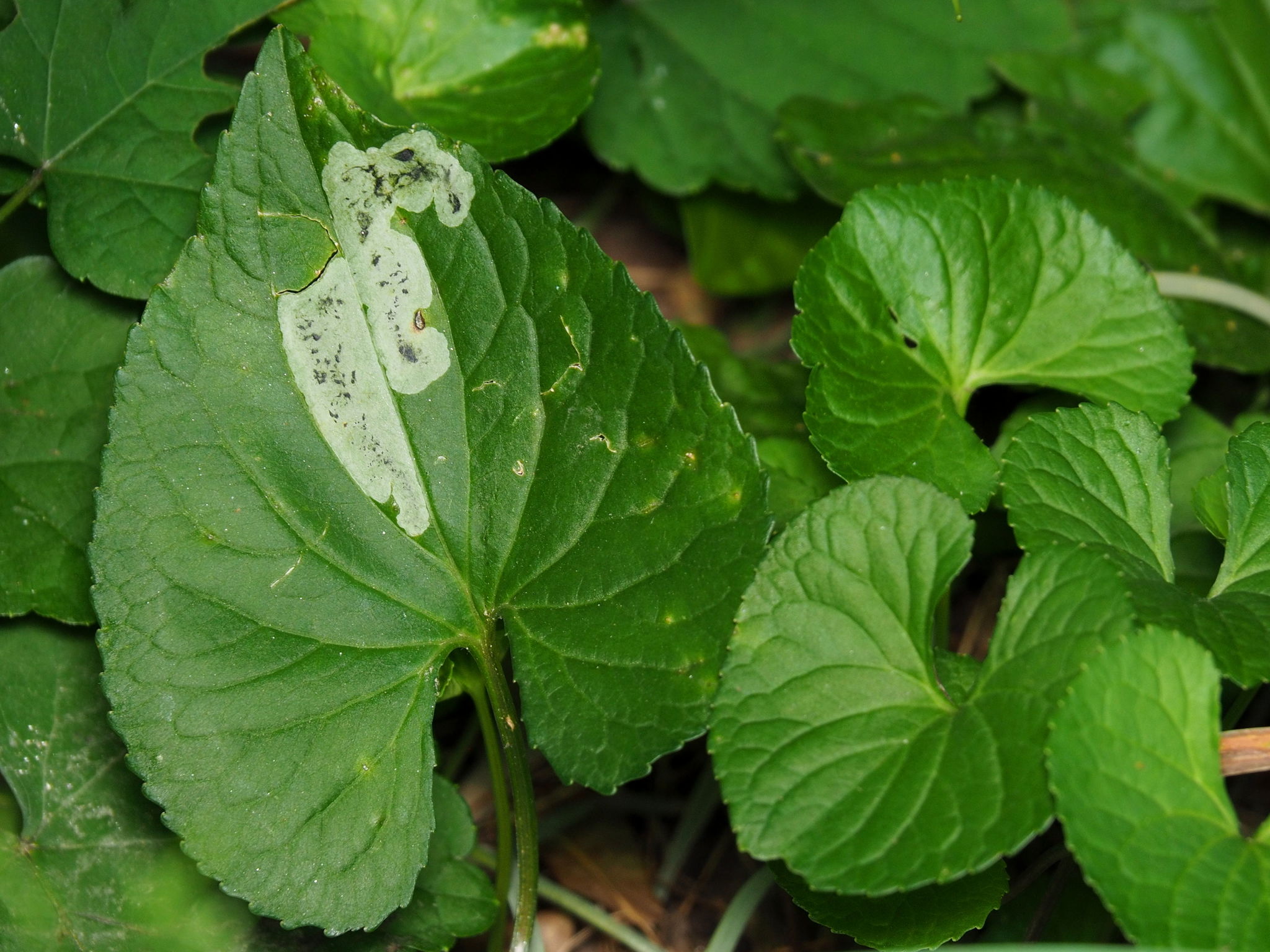
Agromyzid larvae live inside leaves: they eat the tissue between the two surfaces of the leaf and leave a pale tunnel behind them. People often notice this trace rather than the fly itself. Many species develop on only one plant or on a few closely related plants.
Who did the study, and what is still unknown?
The eight authors come from institutions in the United Kingdom, Canada, Slovakia, the Netherlands, Germany and Georgia. The Georgian co-author, George Japoshvili, represents the Institute of Entomology of the Agricultural University of Georgia and the Invertebrate Research Center in Telavi. He is also an author of the study of the encyrtid wasps of Vashlovani published in March.
The full text of the paper is paywalled, so this story relies on the abstract only. It is not known when and how the specimens were collected, which plants the new agromyzids develop on, or what their names mean. The photos do not show the new species: both are other species of the same genera, photographed in the USA.
Lagodekhi is Georgia's oldest protected area and a candidate for the IUCN Green List. This study shows how many small insects there are still waiting to be described. We recently wrote about the spiders of Tbilisi and the first record of Hepialus. Georgia's insects are in the insects section, and the animals of the region are under Kakheti.