Caspian gecko in Armenia: eight towns and a northernmost record from Ijevan
Armenia's only gecko was known from three places. Surveys in 2023–2025 confirmed it in eight settlements, including Ijevan in Tavush Province, which borders Georgia.
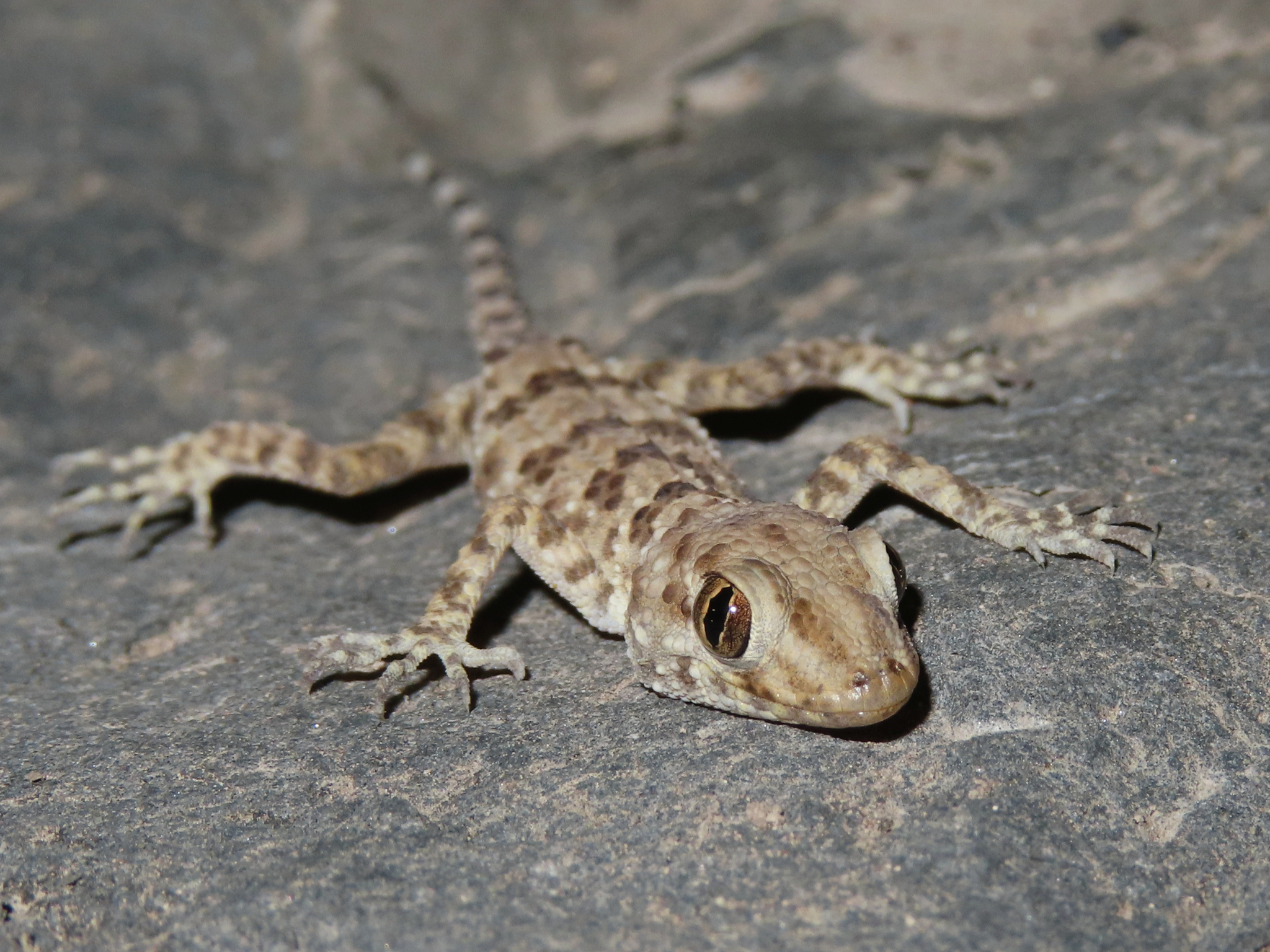
In Armenia, the Caspian gecko was known from Yerevan, Armavir and Meghri. The authors of a new paper recorded it in eight settlements, five of them new for the species. The northernmost record comes from Ijevan, and in Meghri geckos were seen active on a February night. The paper was published in Herpetology Notes on 3 July 2026.
From three places to eight
The Caspian gecko (Tenuidactylus caspius) is the only gecko recorded in Armenia, and it is generally considered introduced there. According to 2011 data, it was known from only a few places in the country: Yerevan, Armavir and Meghri. Its distribution looked fragmented and was tied mostly to human-modified habitats.
The authors of a new paper recorded the gecko in eight Armenian settlements: Yerevan, Masis, Artashat, Vedi, Armavir, Ijevan, Meghri and Agarak. Masis, Artashat, Vedi, Ijevan and Agarak are new localities for the species, and a recent photo confirmed it again in Armavir. Almost all records lie below 1,100 metres, between 600 and 1,100 metres.
The paper was published in Herpetology Notes on 3 July 2026 (vol. 19, pp. 471–475). The authors are Kseniia M. Prondzynska of V.N. Karazin Kharkiv National University, Anna Yargina of Yerevan and Erik Beknazaryan of Ijevan. Prondzynska also wrote the 2025 paper on the Caspian gecko in Kutaisi.
How they searched
The surveys ran from 2023 to 2025. The authors focused on low-lying towns, especially in Ararat Province, where they judged the climate and habitat suitable for the species. They searched for geckos in the evening with flashlights, on walls, buildings and other structures. A search usually began about half an hour after sunset and lasted one to two hours.
No gecko was caught or handled: every record is a photo taken on the spot. Photos from iNaturalist and wildlife groups on social media were added. The authors checked them by the photos and, where possible, by talking to the observers, and left out records they could not confirm.
Ijevan: the northernmost and most isolated point
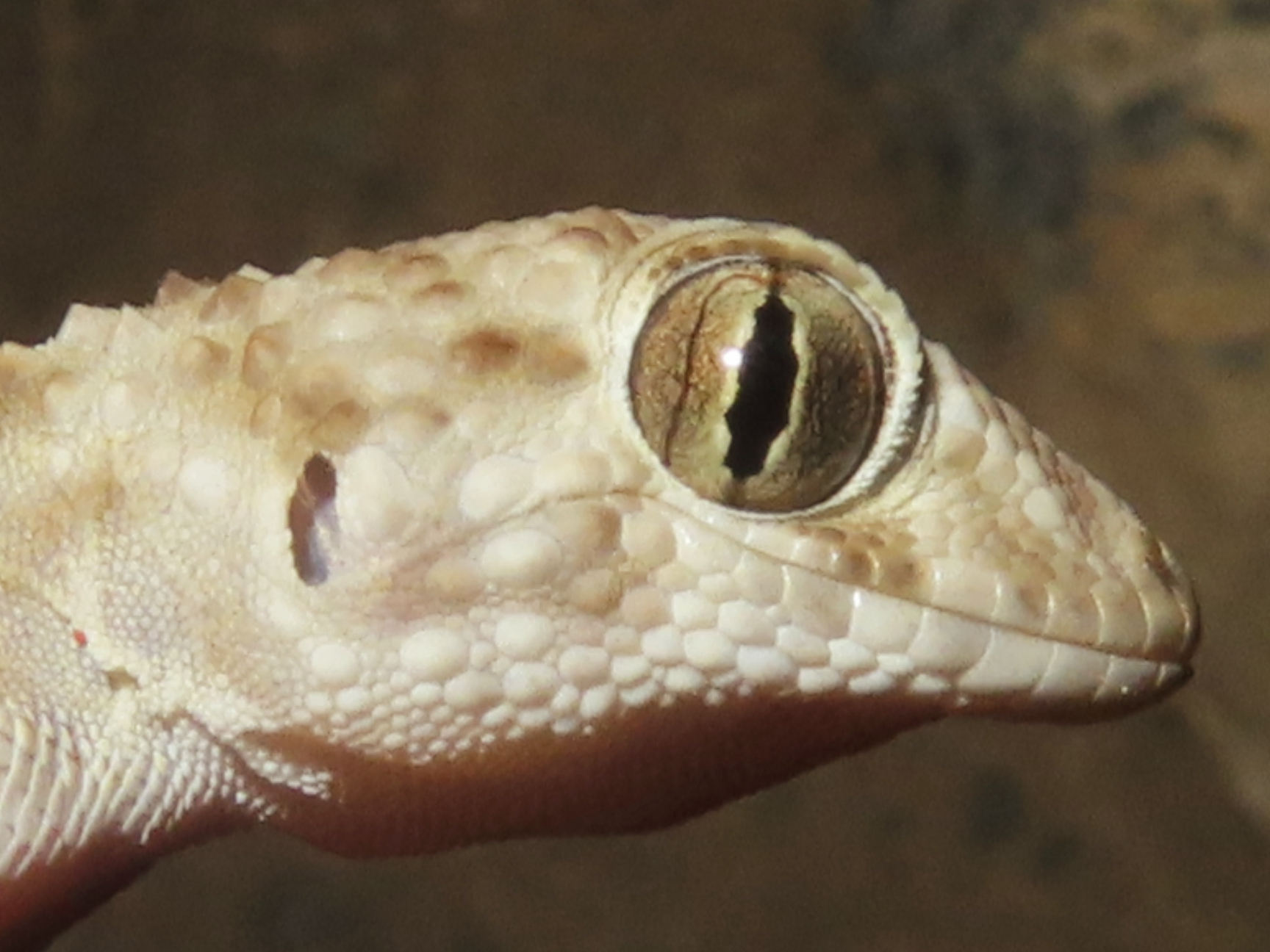
The Ijevan record is the northernmost and geographically most isolated locality of the Caspian gecko in Armenia. It is also the species' first record for Tavush Province. This province borders Georgia.
It all began with a dead gecko found on 26 June 2024. A live juvenile was seen on 28 September of the same year, and two more geckos in July 2025. The authors conclude that the repeated sightings confirm geckos staying from year to year in the town centre, at about 670 metres.
Meghri and Agarak: geckos on a February night
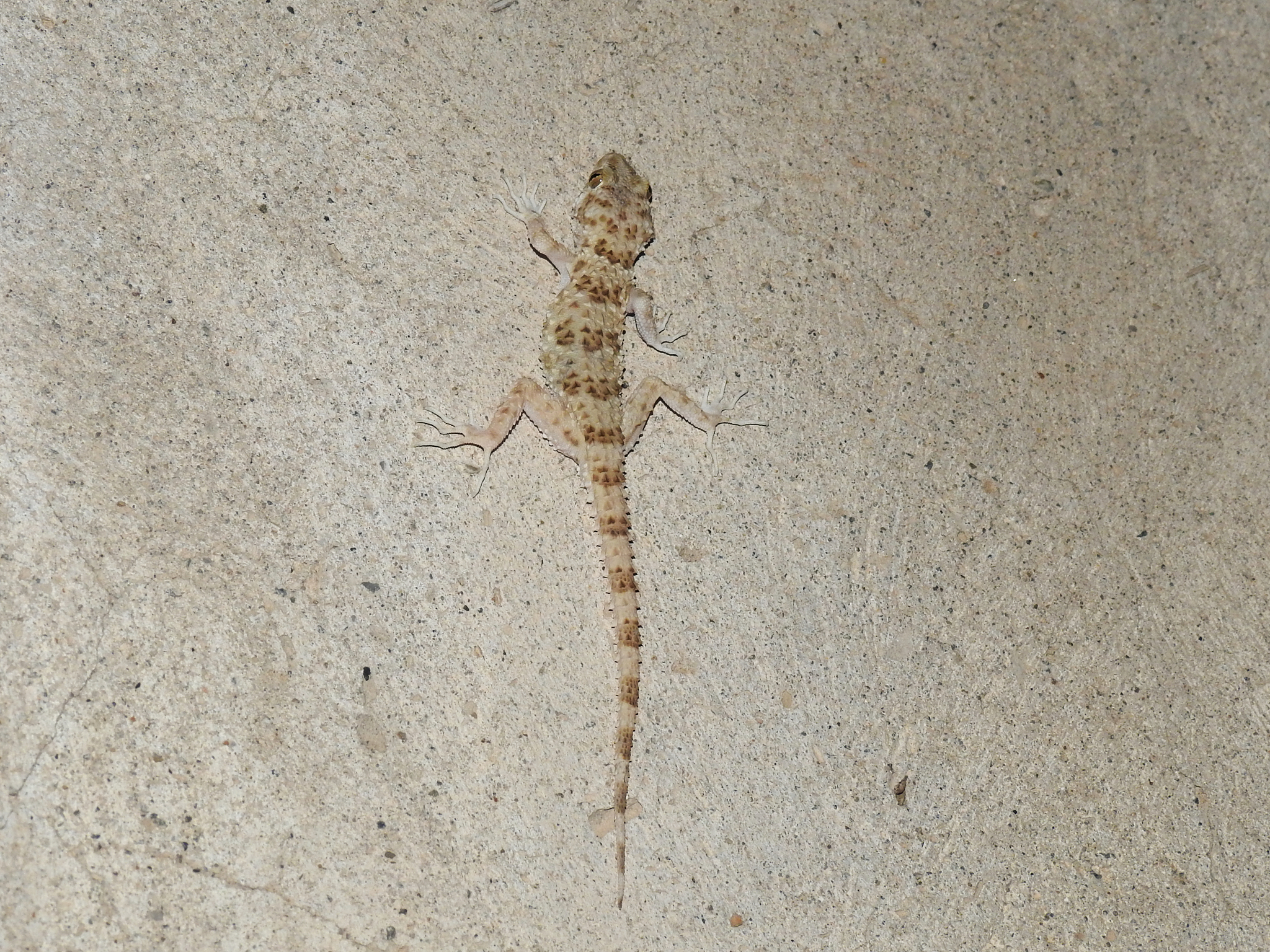
In Meghri, in the far south of Armenia, the gecko is widespread across the town. It was found at many sites and in different kinds of urban habitat, so it is not limited to the places reported earlier. More than 50 geckos were counted over three visits in 2023–2025.
The most unexpected observation dates from February 2024: two geckos were active at night. The authors read this as a sign that geckos in this region are occasionally active in winter. In Agarak, near Meghri, eight geckos were recorded in the town park and centre. This is a new locality and shows that the species lives in several settlements in the region.
Yerevan and the Ararat Plain
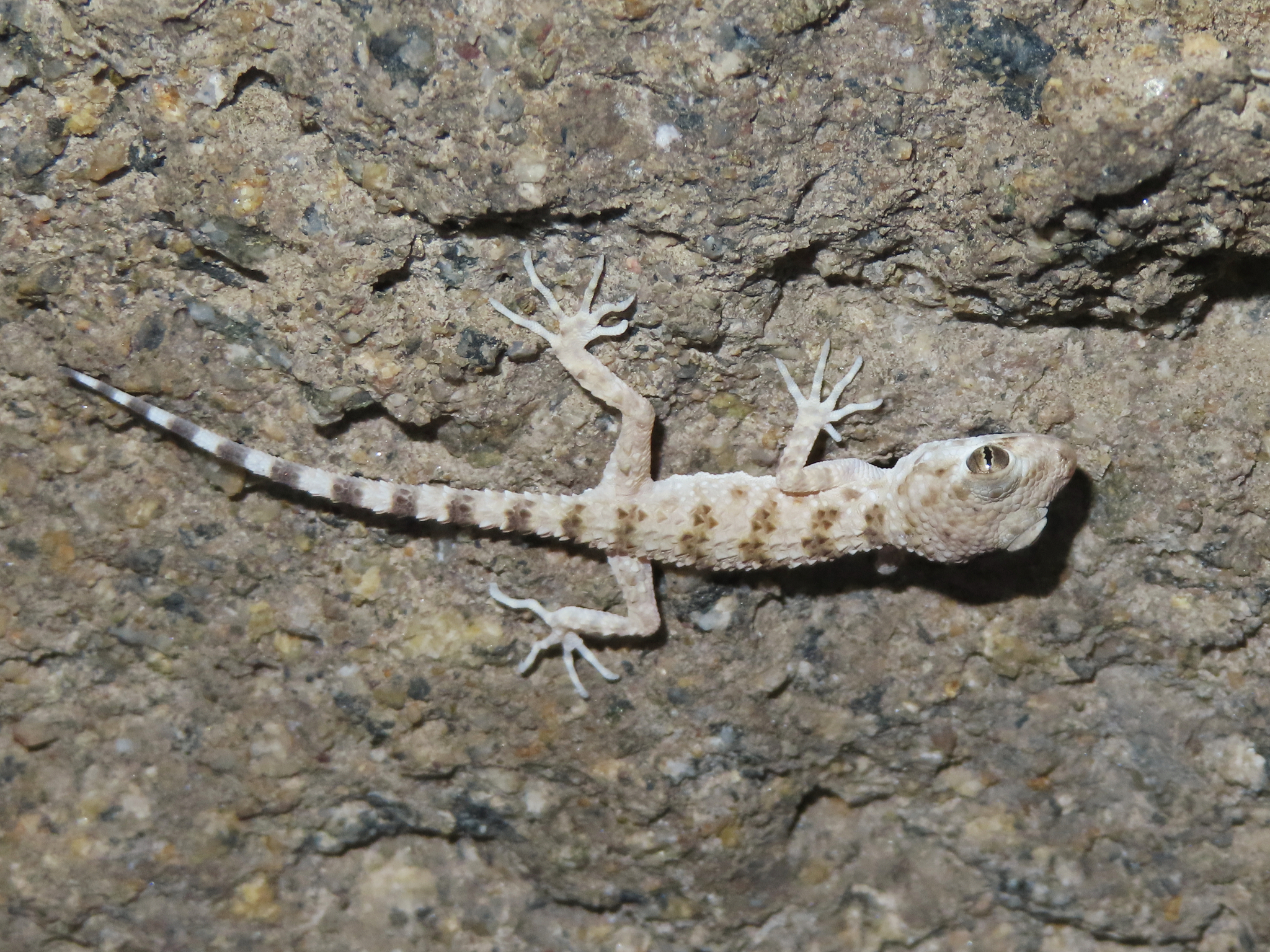
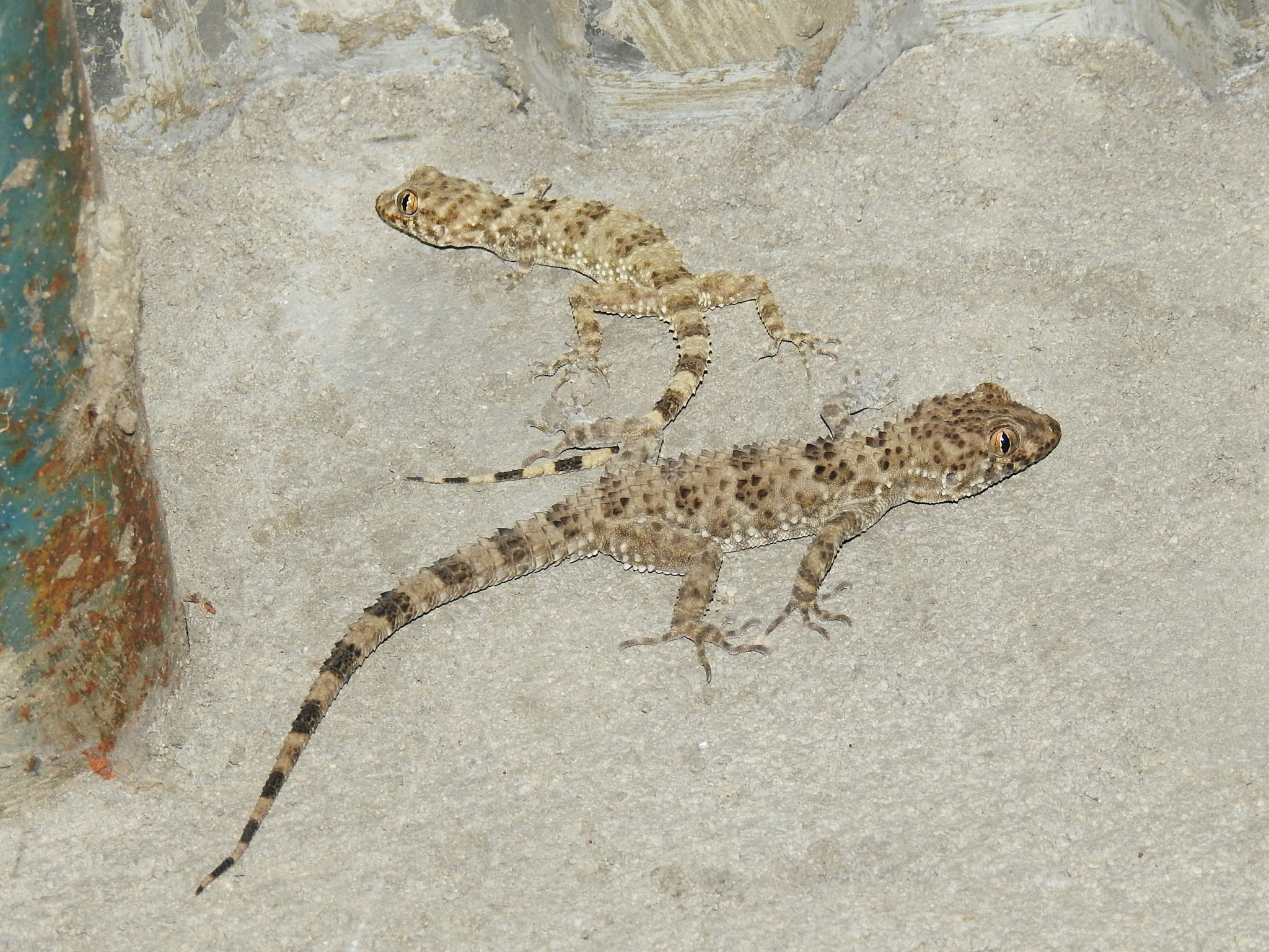
In Yerevan the gecko was recorded often, with more than a hundred records. Most come from the southern, lower-lying districts of the city, where geckos live both on buildings and on natural rocks. On the Ararat Plain it was found in the centre, residential areas and railway station of Artashat, and in the centres of Masis and Vedi. Everywhere, the gecko was tied to human-made structures: walls, buildings and bridges.
How a gecko travels
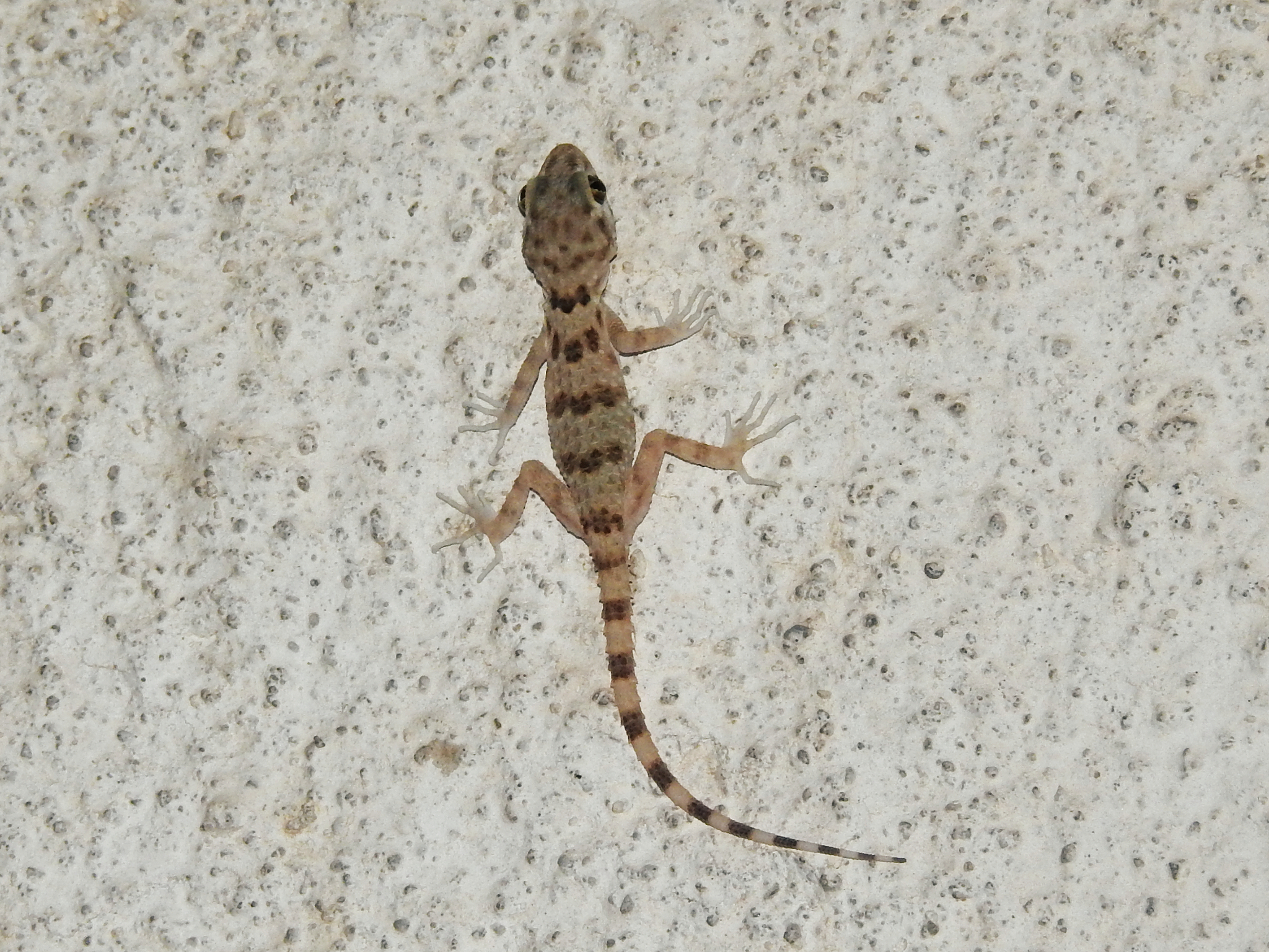
According to the authors, the gecko's spread in Armenia may be partly linked to old transport routes. A 2011 work had already suggested this. Several of the new localities lie along the railway that once connected southern and central Armenia.
The authors do not rule out other pathways either: international and domestic cargo and road transport. They conclude that the Caspian gecko is not only expanding its range in Armenia but may also be carried to new places by people again and again. Which pathway matters most is still unclear and needs further study.
What this means for Georgia
In Georgia, the Caspian gecko occurs naturally only in the far southeast of the country. Introduced groups live in cities: it has been known from Tbilisi since 1956, later reports came from Rustavi, Telavi and Gori, and in 2025 from Kutaisi. The new data from Armenia complete the same picture: the gecko moves from town to town alongside people.
The Caspian gecko is harmless to people. You can tell it from other lizards by its vertical pupil and widened toes, and it is seen mostly at night on the walls of buildings. If you find one in a new place in Georgia, a photo with the place and date will help us understand its spread.