


COP17 ends in Yerevan: countries adopt the “Yerevan Pathway”
The biodiversity conference ran 24 hours over time and closed with nearly 50 decisions. The organisers call it progress; conservation groups point to a lack of ambition and money.
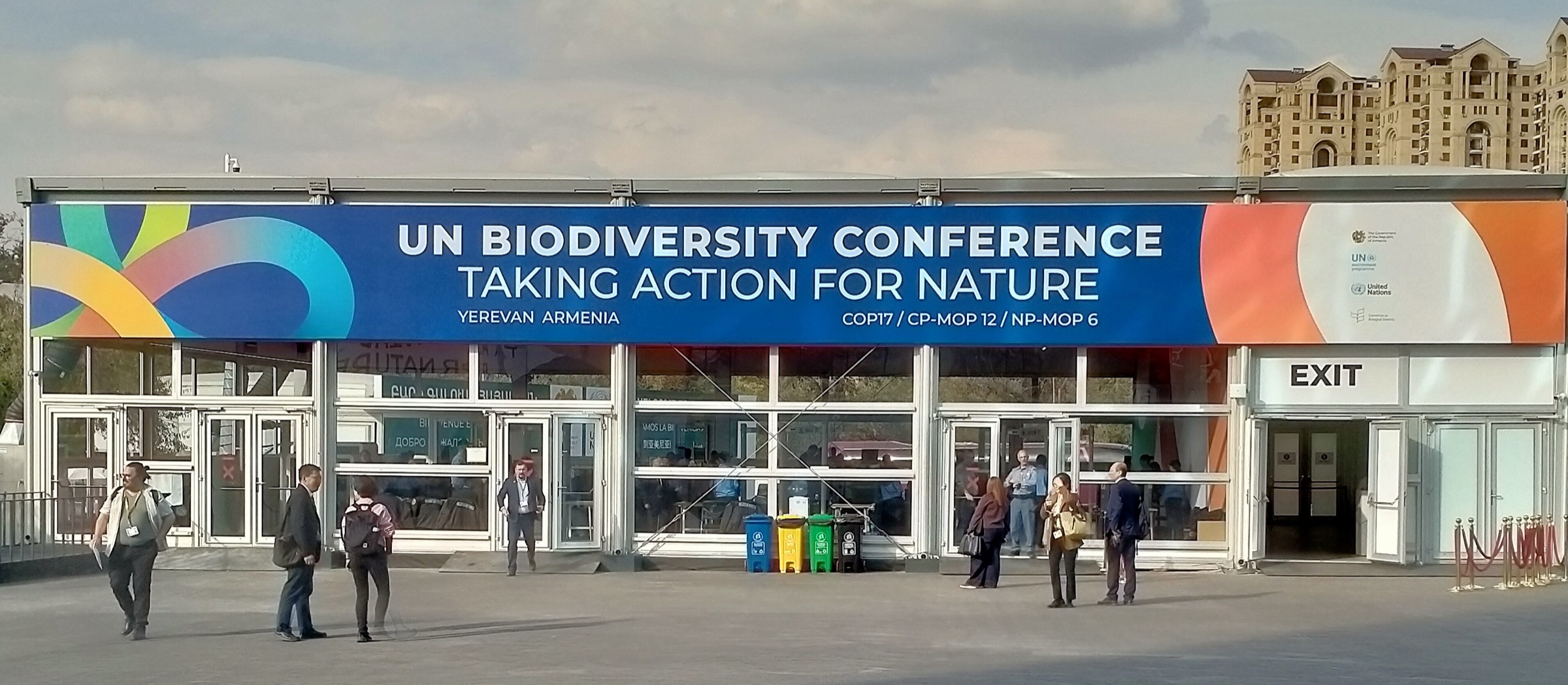
On 31 October 2026 the UN Biodiversity Conference (COP17) ended in Yerevan. Its main outcome is the “Yerevan Pathway”: the response to the first global review of progress under the Kunming-Montreal framework, setting priorities up to 2030. Parties adopted nearly 50 decisions, and the next COP will take place in Ecuador in 2028.
How did COP17 end?
The UN Biodiversity Conference in Yerevan ended on Saturday, 31 October. Negotiations were due to close on 30 October but ran 24 hours longer. The conference opened on 19 October and comprised the 17th meeting of the Parties to the Convention on Biological Diversity (COP17) and the meetings of the Parties to the Convention’s Cartagena and Nagoya protocols.
According to the Convention’s secretariat, Parties adopted nearly 50 decisions. The main one is the “Yerevan Pathway”. It is the negotiated response to the first collective review of progress under the Kunming-Montreal Global Biodiversity Framework. The framework was adopted in 2022 and contains 23 targets to be met by 2030.
What is the “Yerevan Pathway”?
The review drew on a report published shortly before the conference, the State of Biodiversity Action. Its conclusion: the world is off track to meet the 23 targets by 2030. The “Yerevan Pathway” is the answer to that finding: it sets priorities up to 2030 and the areas where work has to speed up.
According to the secretariat, there are four priorities: tackling subsidies and incentives that harm nature; more financial, scientific and technical support for developing countries; aligning national budgets and economic decisions with the framework; and strengthening the mechanisms for implementation, monitoring, reporting and review.
The Convention’s Executive Secretary, Astrid Schomaker, put it this way: the real test is not what governments agreed in Yerevan, but what they change when they return home.
What else was decided?
Parties adopted decisions on protected areas and forest biodiversity, sustainable wildlife management, invasive alien species, risk assessment of living modified organisms, marine and coastal biodiversity, synthetic biology, and mainstreaming biodiversity into other sectors. There was also a new emphasis on biodiversity education.
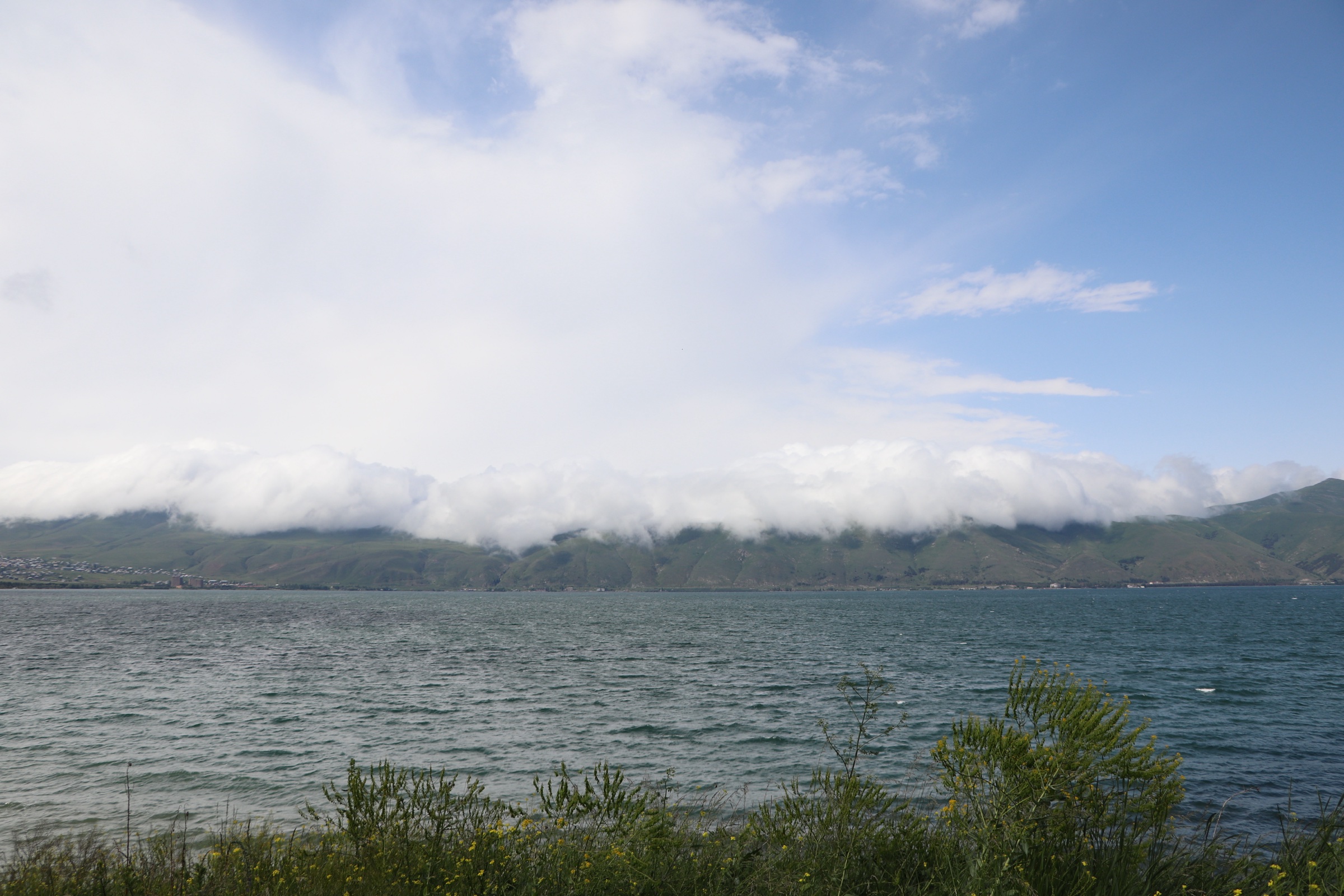
After long negotiations, Parties agreed on the rules of operation for a new permanent subsidiary body on Article 8(j) of the Convention. This article concerns the role of Indigenous peoples and local communities. The rules are officially called the “Sevan Guidelines”, after Armenia’s largest lake.
On climate and biodiversity, countries were encouraged to start applying voluntary guidelines. According to Premium Times, these guidelines will be negotiated further before COP18.
How much money was announced?
According to the secretariat, nearly US $2 billion in new funding was announced at the conference. This includes $560 million under the replenishment of the Global Environment Facility (GEF-9) and its Global Biodiversity Framework Fund, $500 million through the Species Recovery Alliance, and more than $330 million through the Value Nature Fund, which aims to mobilise private capital.
Together these three amounts come to about $1.4 billion. The rest is not itemised in the press release. Other initiatives were announced too: a biodiversity bond and investment incubator from the Asian Development Bank, a proposed model framework law on forests, and new State of Nature indicators.
Why is the outcome criticised?
At the close, The Nature Conservancy (TNC) said the outcome may fall short of the scale of the nature crisis and that available resources remain far below what is needed. The organisation also said the conference exposed worrying pressure on the role of science, including IPBES. In TNC’s view, compromise should not be mistaken for sufficient progress.
According to Premium Times, Susan Lieberman, Vice President of the Wildlife Conservation Society (WCS), said the negotiations ended up “weak on ambition”. WCS welcomed the provisions on ecosystem monitoring and subsidy reform but questioned whether the text contains practical measures. It described pushing the climate and biodiversity guidelines to COP18 as simply putting the issue off.
What does this mean for Georgia?
The sources used here do not mention Georgia separately. At the start of the conference, at the leaders’ summit, Georgia’s prime minister said the country’s protected areas exceed one million hectares and that Georgia supports the global goal of protecting at least 30% of land and sea by 2030. We covered this on 17 October.

The “Yerevan Pathway” has to be delivered at national level: according to the secretariat, progress will be judged by changes in policy, the delivery of resources and measurable improvements for nature and people. In Georgia, the protected-area story continued this autumn with two new national parks, and the risk of invasive species shows up, for example, in the story of the Kutaisi gecko.
The next, 18th conference will be held in Ecuador in 2028. By then two years will remain until the Kunming-Montreal deadline. More stories are in the news.

