


Nine red deer born at Tbilisi Zoo moved to Algeti National Park
The red deer live in a 60-hectare fenced area in Algeti. They will be released into the wild for good once their numbers are large enough.

Nine red deer born at Tbilisi Zoo have been moved to a semi-wild environment in Algeti National Park. It is the next step of the deer restoration programme: the first deer were brought to Algeti in summer 2025, in Georgia’s first attempt to return the species to the wild.
Nine deer from the zoo to Algeti
Nine red deer born at Tbilisi Zoo have been moved to Algeti National Park. The news was reported on 19 October 2026. The exact date of the transfer was not given.
The deer do not roam freely yet. They live in a semi-wild environment, in a fenced area of about 60 hectares inside the park. Until they settle in, the zoo keeps supplying them with food and salt.
This is not the first time zoo deer have come to Algeti. In July 2025 seven deer were released there. The source does not say whether the new nine are in addition to those seven or include them.
How it began: seven deer and 60 hectares
The Algeti red deer nursery opened on 25 July 2025. It was set up by the National Wildlife Agency under the national species restoration plan of the Ministry of Environmental Protection and Agriculture. At the opening, seven deer bred at Tbilisi Zoo were released into the fenced forest: five hinds and two stags.
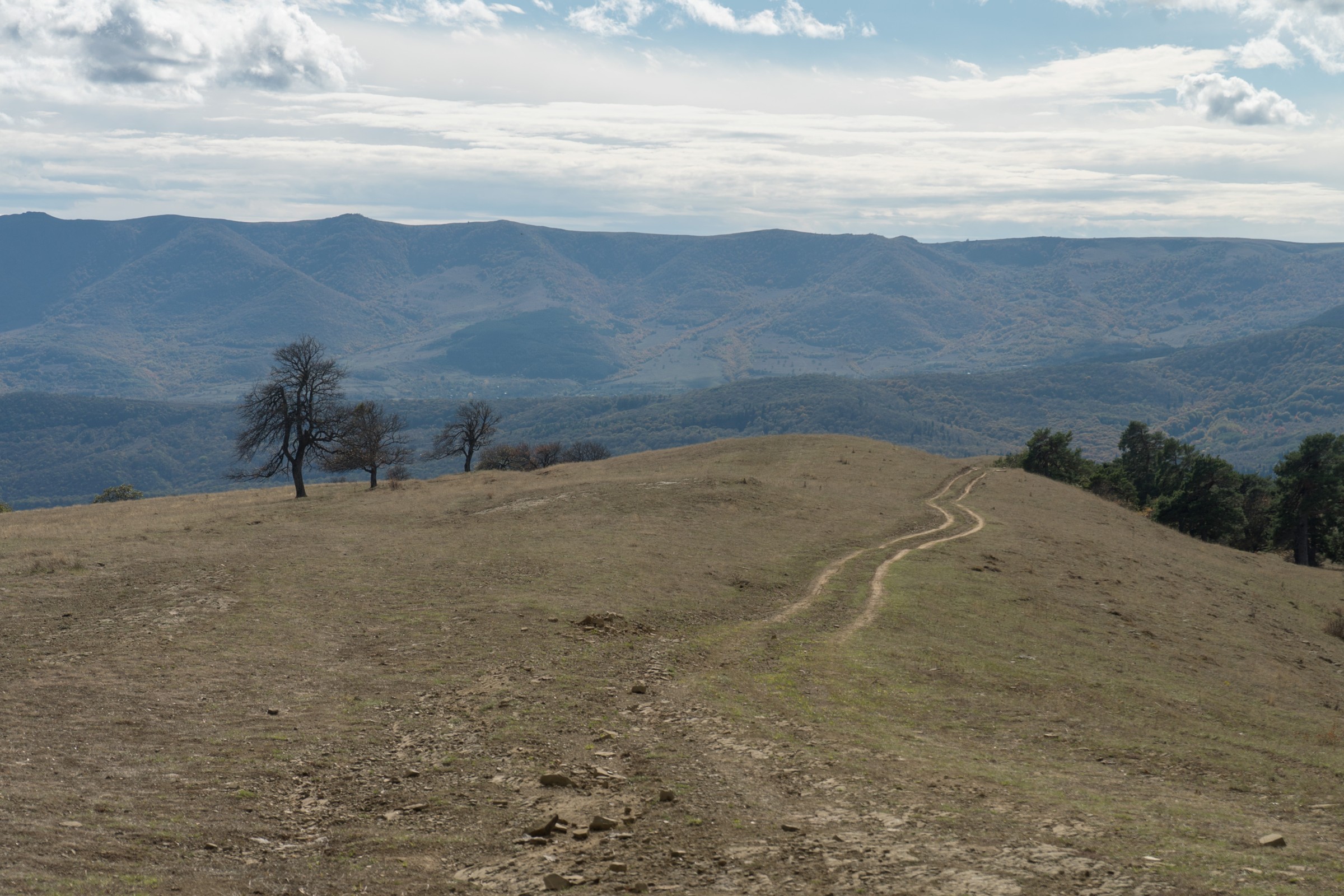
The nursery covers 60 hectares, is fully fenced and has modern monitoring: camera traps and satellite collars on the deer. According to the Parliament of Georgia, it is the largest red deer nursery in the Caucasus. Algeti was chosen for its central location, intact habitats, ecological corridors and high level of protection.
The first stage of the programme aims to grow the herd to 15 deer. Once a stable, growing herd has formed, the deer will be released into the wild step by step. For now, growing their numbers in Algeti is the main task.
Why red deer need restoring
Red deer numbers in Georgia fell sharply in the 1990s because of poaching and uncontrolled hunting. The idea of restoring them dates from that time. Today the red deer is on the Red List of Georgia.
Globally, Cervus elaphus is a widespread species, but Georgia’s picture is different. Here the deer in question is the Caucasian red deer, often called C. e. maral. Its modern records are mostly tied to protected areas and restoration projects.

In 2023, at the Ministry’s initiative and with funding from the Swedish International Development Cooperation Agency (Sida), a national plan to restore endangered species was prepared. Its development was led by Zurab Gurielidze, a professor at Ilia State University and director of Tbilisi Zoo. The Algeti deer programme is part of that plan.
A zoo deer in the forest: what it has to learn
A deer raised in a zoo is used to prepared food. In a new place it needs extra feeding, especially in winter. It is also given salt: hoofed animals need minerals for growing antlers, hooves and strong bones.
Over time the deer will adapt to their new home and find food on their own. The fenced area is there for this transition: scientists can watch the deer’s behaviour, herd relationships and stages of adaptation. That information will then be used to plan their release into the wild.
It is a long process that needs constant monitoring, protection and the involvement of several agencies. When there are enough deer, they will be released into the wild for good, where they will live entirely on their own.
The deer camera also caught a leopard
The deer nursery brought Algeti an unexpected story as well. In September 2025 a perimeter security camera at the enclosure recorded Aren, a three-legged leopard. The camera was there to make sure no one sneaked in to disturb or hunt the deer.
Algeti was not known as leopard country, so a journalist called the sighting "a complete fluke". Aren came from Armenia along the Trialeti Ridge. Protection set up for the deer thus taught us something new about Algeti’s wildlife.
Algeti lies in Kvemo Kartli, about an hour’s drive from Tbilisi. If the programme reaches its goal, a free herd of Caucasian red deer will live this close to the capital. The nine deer brought from the zoo are one more step along that road.

