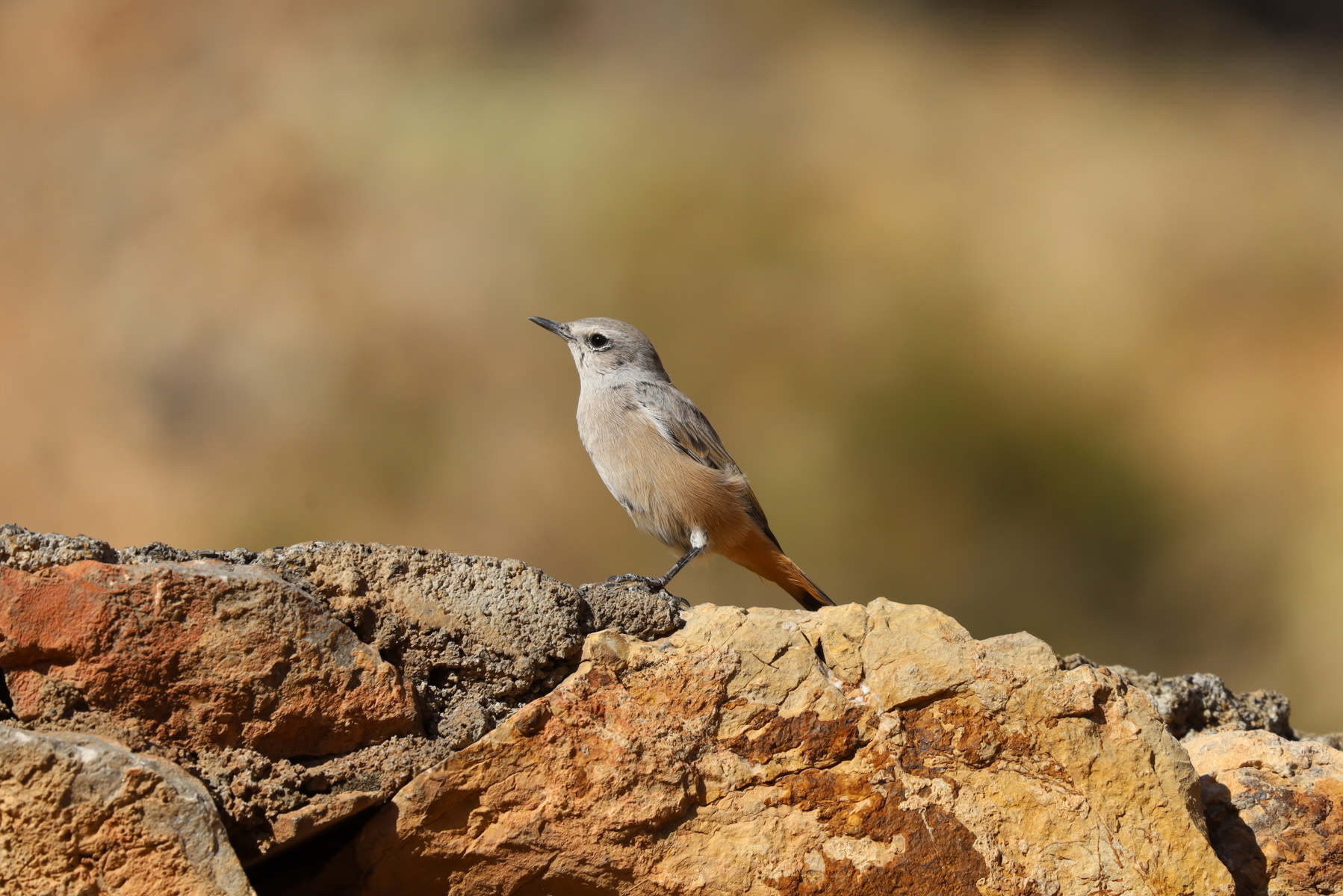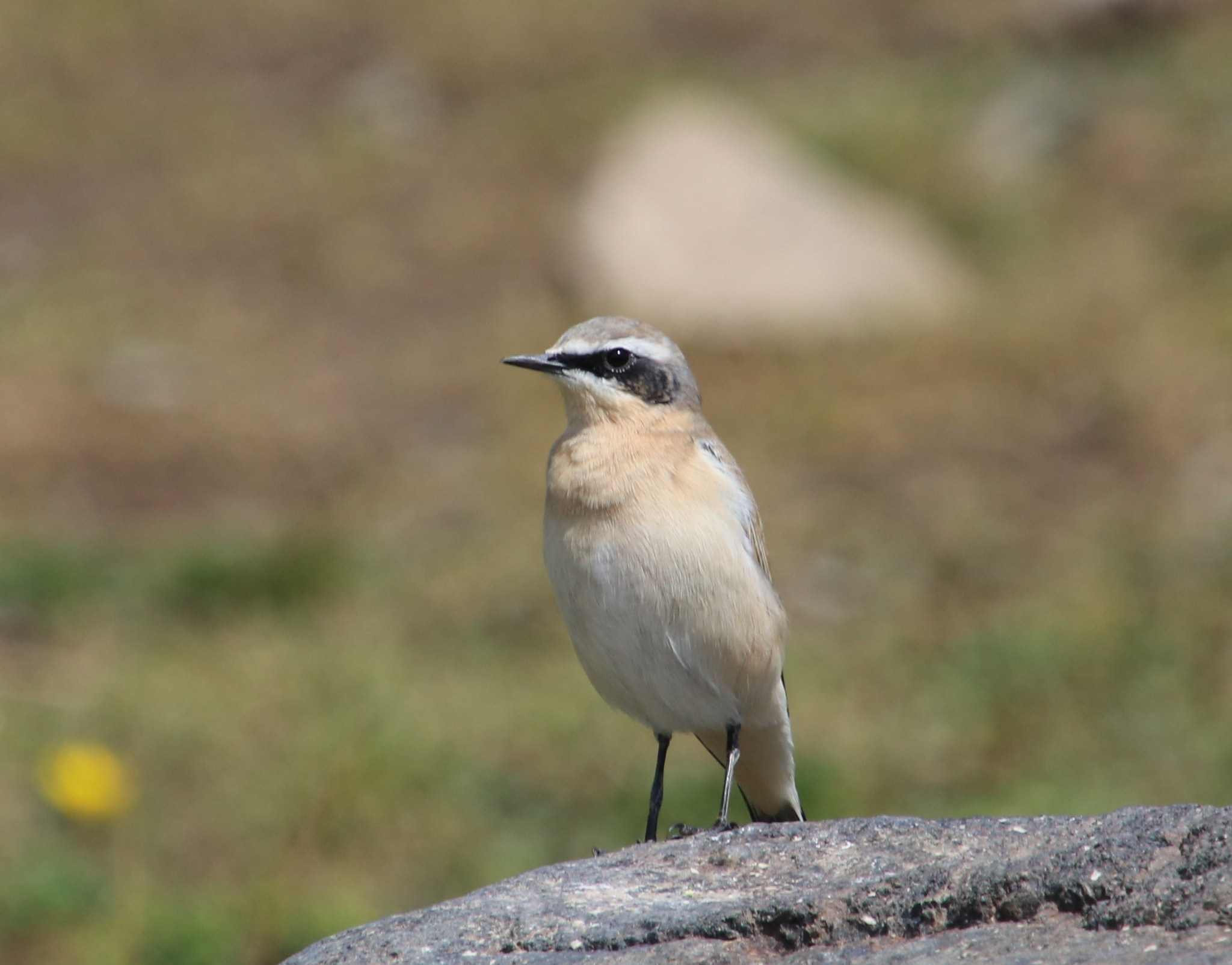

Northern wheatear
Oenanthe oenanthe
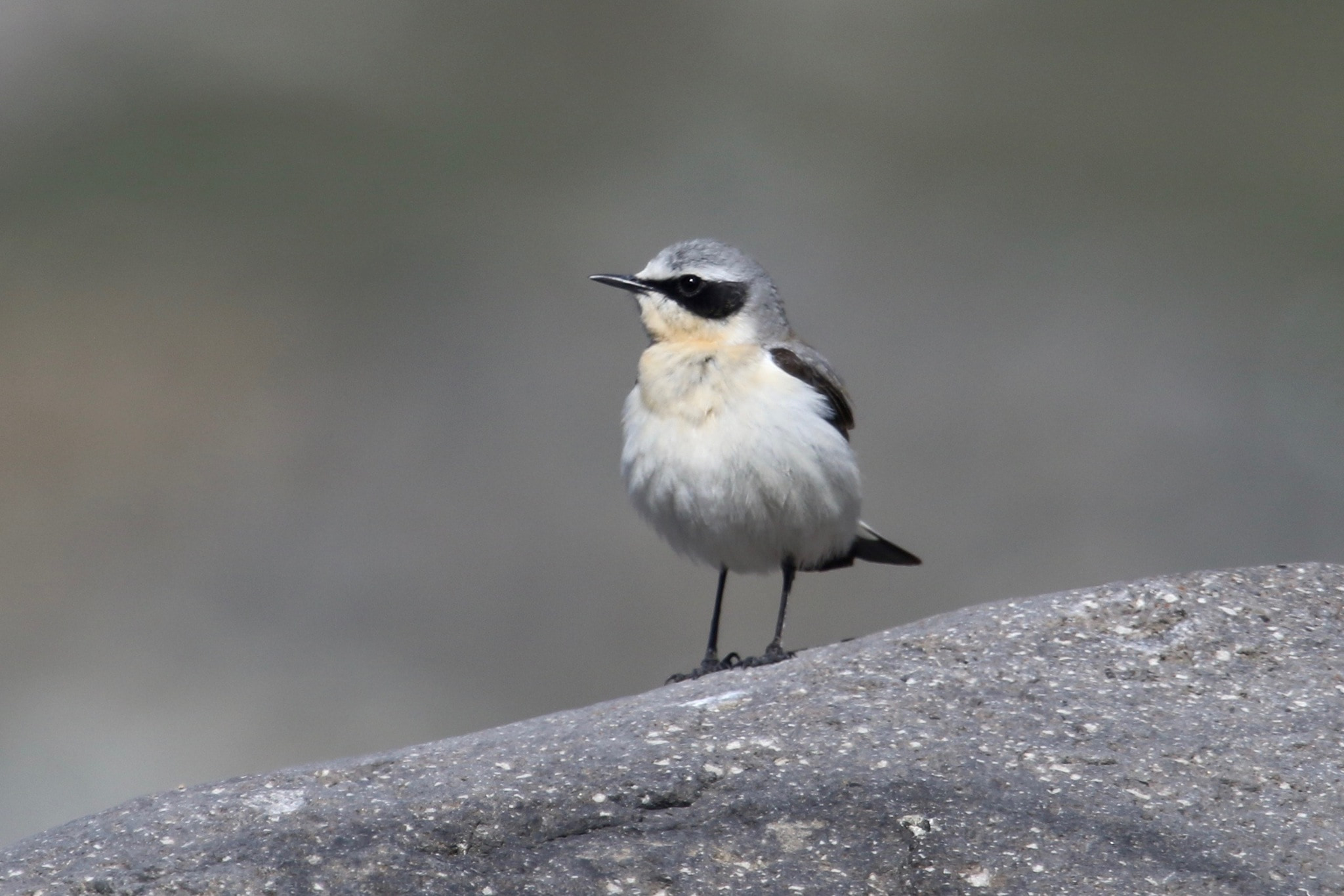
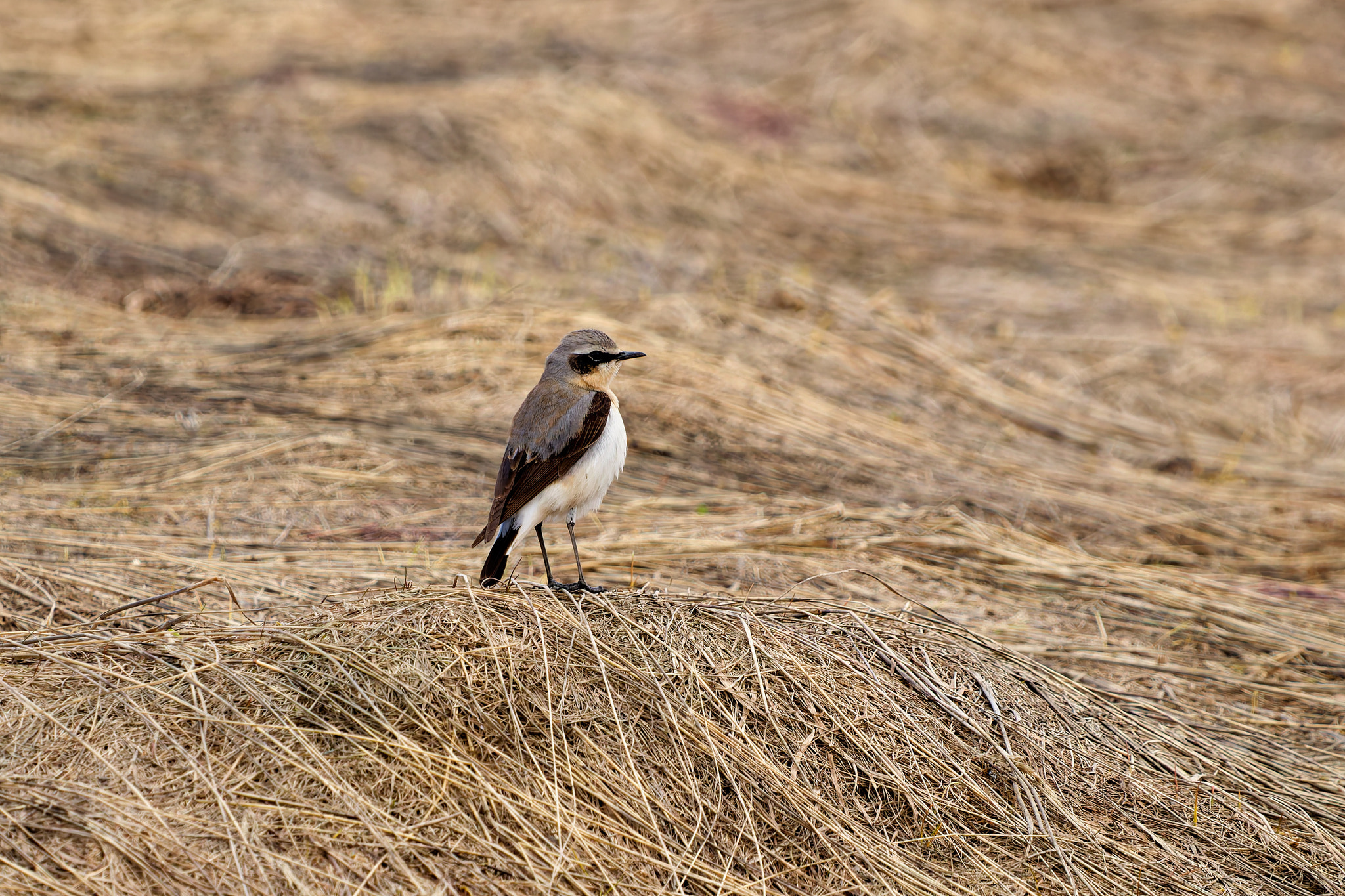
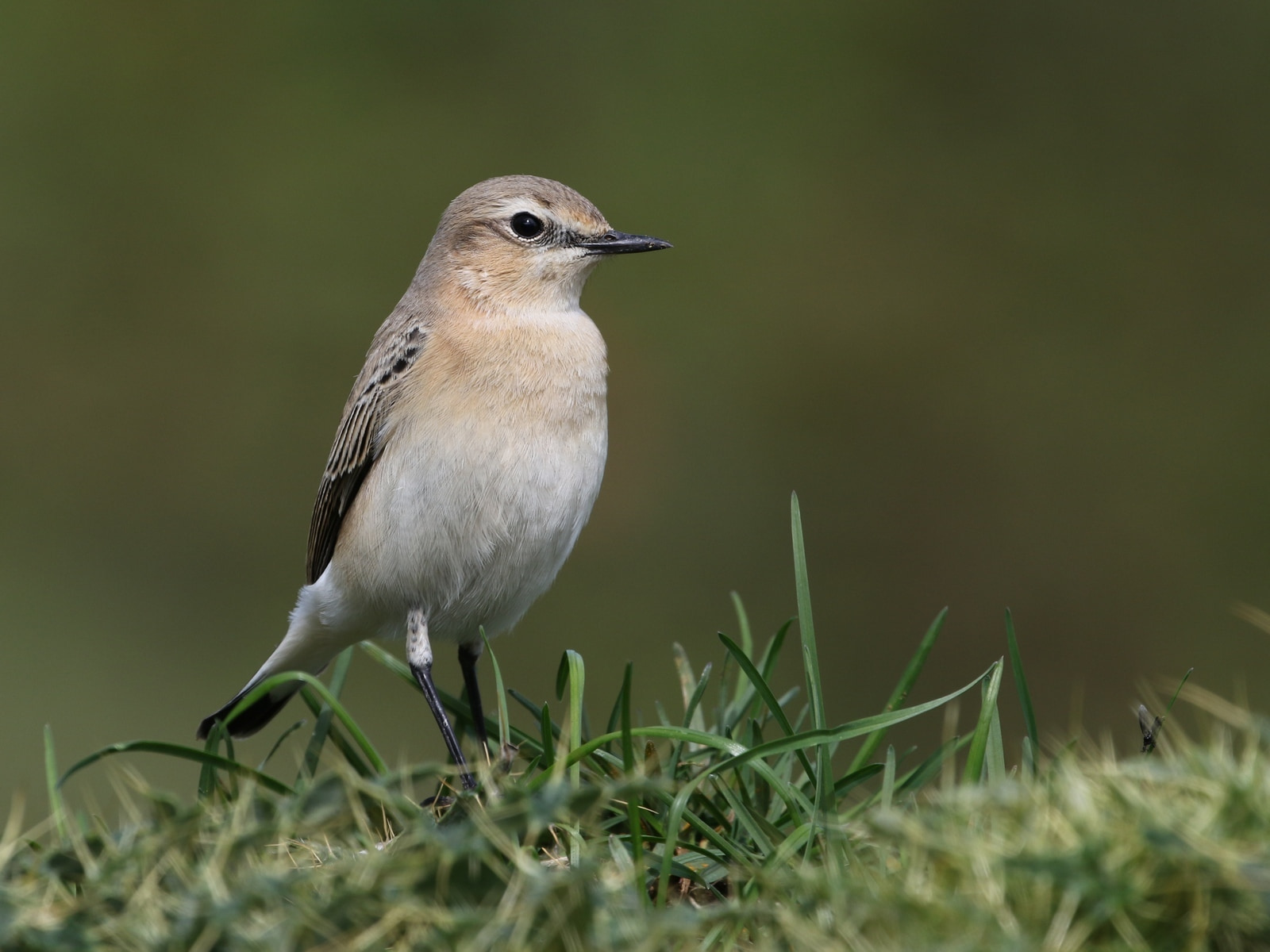
Octávio Mateus · Georgia Georgia field photo
Key facts in one look
- Size
- 14.5–16 cm
- Diet
- Insects and other invertebrates, berries in autumn
- Status in Georgia
- Breeding bird, passage migrant
- Habitat
- Open, stony ground, mostly in mountains
- Family
- Muscicapidae
- Conservation
- Least Concern
The northern wheatear (Oenanthe oenanthe) makes one of the longest journeys of any small bird: all of them winter in Africa, even the birds that breed in Alaska and Canada. In Georgia it is a breeding bird and a passage migrant, and it does not stay for the winter. It is 14.5–16 cm long, slightly bigger than the European robin. In spring the male has a grey back, black wings and a black mask across the eye. If a small bird flits from stone to stone on a rocky slope and flashes a white rump at you, think of a wheatear first.
Identification
Northern wheatear: how to identify it
A 14.5–16 cm wheatear with a white rump and a black, upside-down "T" at the end of the tail. In spring the male has a grey back, black wings and a black mask, and the female is brown.
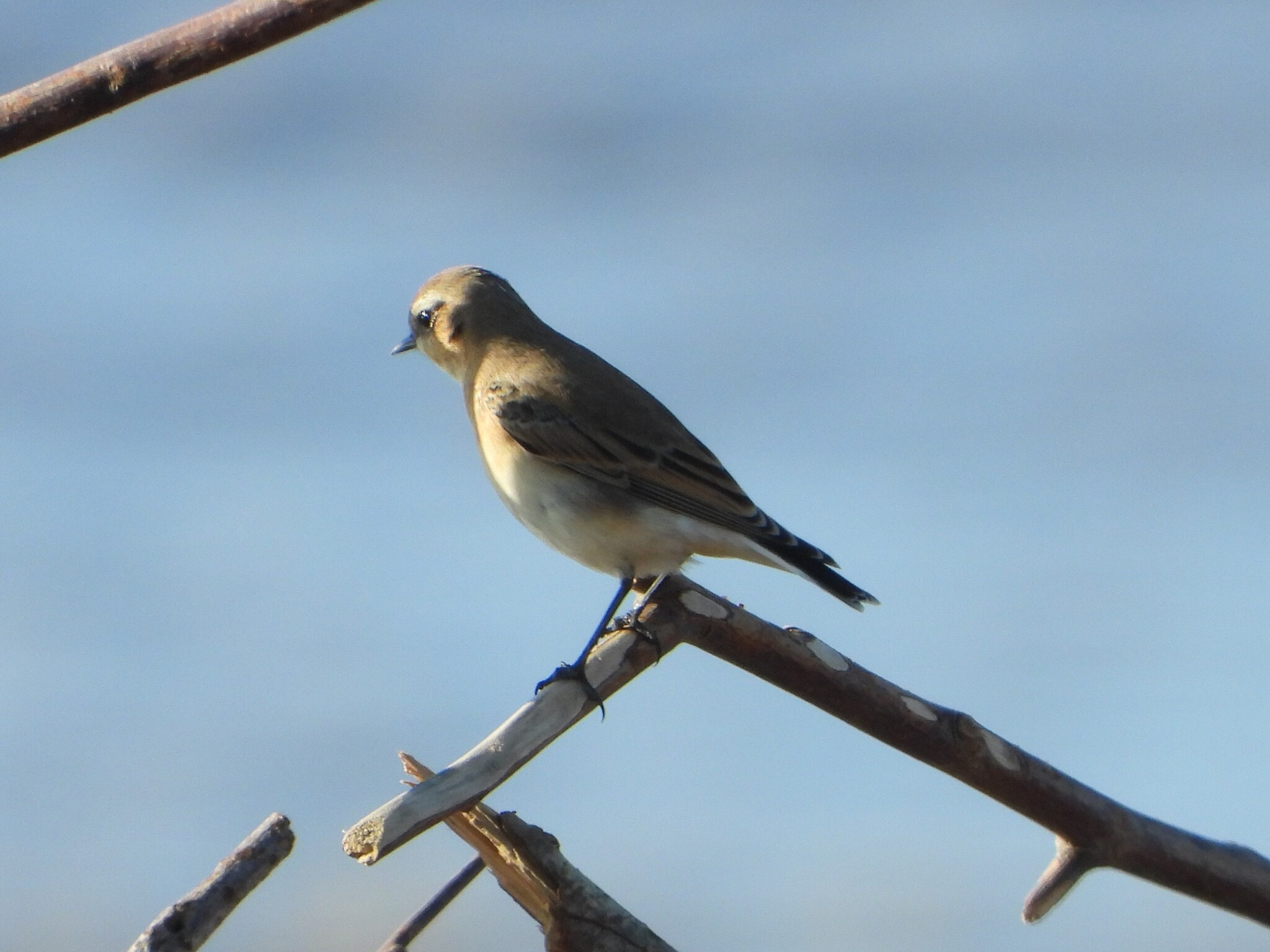
It is 14.5–16 cm long, with a wingspan of 26–32 cm, and weighs 17–30 g. Both sexes have a white rump and a white tail with a black, upside-down "T" at the end. The pattern shows best in flight.
In summer the male has a grey crown and back, black wings and a black mask through the eye, with a white stripe above it. The throat and breast are buff and the belly white. The female is pale brown above and buff below, with darker brown wings. In autumn the male looks like the female, except that the wings stay black.
The isabelline wheatear (Oenanthe isabellina) looks very like a female northern wheatear, but it is larger, stands more upright, is more sandy in colour and has more black on the tail. Its armpits and underwing coverts are white, while the northern wheatear's are mottled grey. The call is a hard "chack", and the song mixes whistles and crackles.
Colour
Swatches are illustrative. Do not identify a species by colour alone.
Often confused with


It breeds in open, stony country, mostly in mountains but also in other open landscapes. It nests among stones, in rock crevices, in animal burrows, or in holes in walls and pipes. It winters in Africa south of the Sahara. In Georgia it has also been photographed at David Gareji, in September.
The northern wheatear map combines public iNaturalist observations. Regions are taken from the records-by-region table, and the status column separates regions with enough records from regions with too few records. Record counts reflect observation effort rather than population density. Ten regions have enough records: Mtskheta-Mtianeti, Adjara, Kakheti, Samtskhe-Javakheti, Abkhazia, Shida Kartli, Kvemo Kartli, Samegrelo-Zemo Svaneti, Tbilisi and Imereti.
Data: Reptiles.ge + iNaturalist · Methodology
- Field observation
- Several records in one spot
- Photo record
- Region with records
It eats mainly insects. It also takes spiders, snails and earthworms. In autumn it eats berries as well.
It is one of the longest-distance travellers among small birds. In spring it returns from Africa to Europe, northern and central Asia, Greenland and Alaska, and in autumn all of them go back to Africa. Birds breeding in Alaska fly almost 15,000 km each way, about 290 km a day on average. In Georgia it breeds in spring and summer, and other birds pass through on migration. It first breeds at one year old. Only the female builds the nest, while the male perches nearby, sings and sometimes sings in flight. She lays 4–7 very pale blue eggs and incubates them almost alone for about 13 days. Both parents feed the chicks: they leave the nest after 15 days and become independent at 28–32 days old. Usually only one brood is raised a year.
Globally its risk of extinction is rated low (LC, 2018): the range is huge and any decline is far from the threshold for concern. Georgia's national assessment (2021) is also LC, and its numbers are considered stable. In the 18th and 19th centuries it was a delicacy in England, and shepherds sold the birds they trapped.
Related guides
Continue with related pages
Yes. In Georgia it is a breeding bird and a passage migrant: it nests here in spring and summer, and other birds pass through on migration. It does not stay for the winter; all of them go to Africa. It has also been photographed at David Gareji in September.
In open, stony country, mostly in mountains but also in other open landscapes. It nests among stones and in rock crevices. The white rump shows well in flight, so look for that first.
Both sexes have a white rump and a black, upside-down "T" at the end of the tail. In spring the male has a grey back, black wings and a black mask through the eye. The female is brown and buff with darker wings. The call is a hard "chack".
The isabelline wheatear looks very like a female northern wheatear. It is larger, stands more upright, is more sandy in colour and has more black on the tail. Its underwing is white, while the northern wheatear's is mottled grey. A spring male northern wheatear is easy to tell by its grey back and black mask.
Mainly insects. It also eats spiders, snails and earthworms, and berries in autumn. It spends the winter in Africa.
It is harmless to people. Globally it is Least Concern (LC, 2018), and Georgia's national assessment (2021) is also LC, with stable numbers. It is a wild bird, so do not catch it or touch its nest.
References
What this profile is based on
Species profiles are compiled from peer-reviewed literature and established biodiversity databases, and are reviewed as new taxonomic and conservation data become available.
Prepared by the Reptiles.ge editorial team from the sources listed here.