


Spiders of Vashlovani and Chachuna: three species new to science described
A new paper by Georgian arachnologists covers 22 spider species. Three are new to science, three more are recorded in Georgia for the first time, and one species has its female described for the first time.
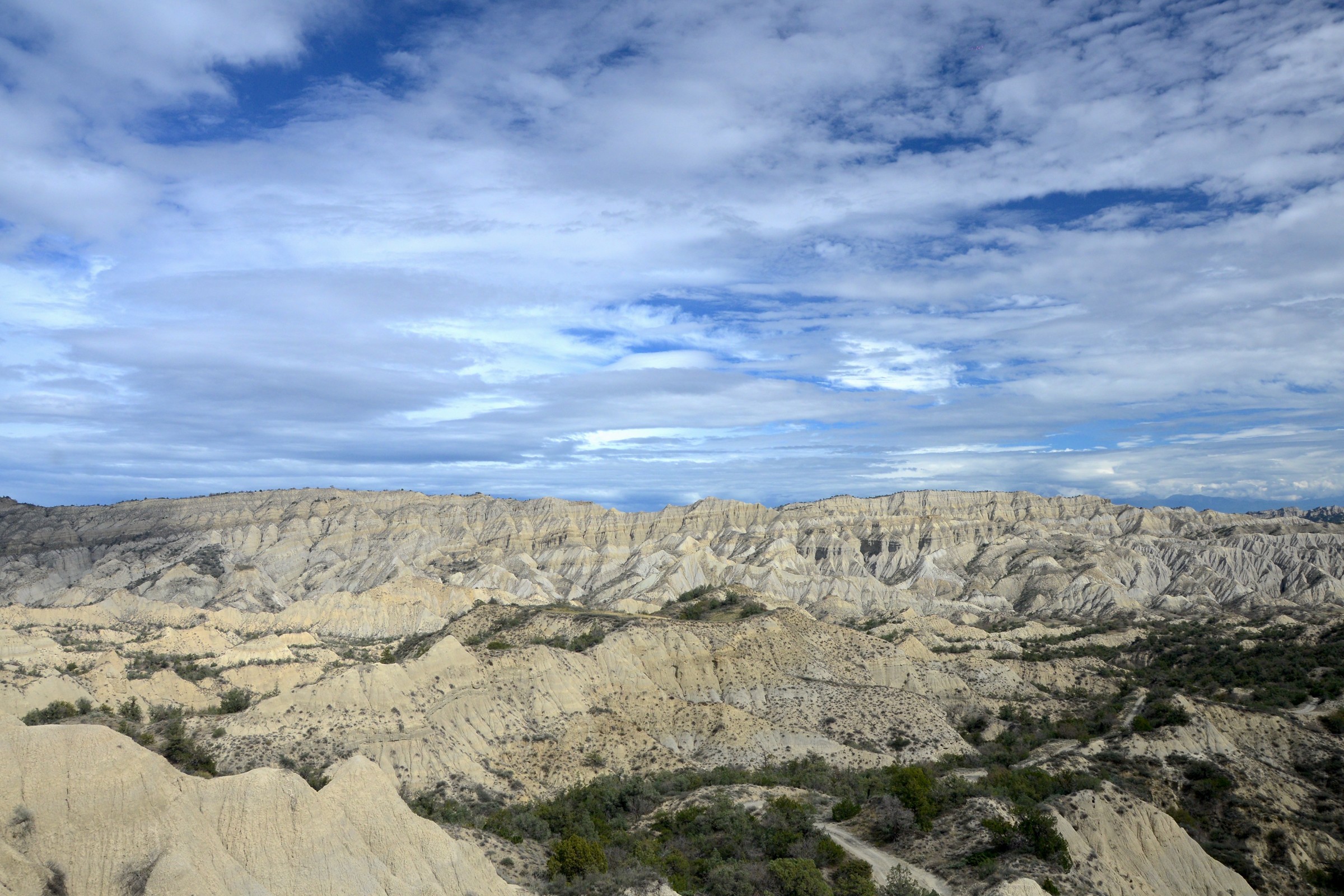
On 20 May 2026 the journal Zootaxa published a paper on the spiders of Vashlovani National Park and Chachuna Managed Reserve. Harpactea digitata, Leptopilos longiembolus and Palpimanus obscurus are described as species new to science. Three more species join the list of Georgian spiders.
22 species, three of them new to science
The authors are Armen Seropian, Natalia Bulbulashvili, Giorgi Makharadze, Aleksandre Zukakishvili and Lasha-Giorgi Japaridze. They are affiliated with the Institutes of Zoology and Ecology at Ilia State University and with the Agricultural University of Georgia. The paper appeared in Zootaxa volume 5814, pages 43–67.
The spiders were collected in two ways. Some were picked up during short outings to different places, others on a trip to Vashlovani National Park and Chachuna Managed Reserve. In all, 22 species were identified. The paper includes diagnostic drawings, photographs of preserved specimens and detailed collecting data.
This is the second part of a series. The first appeared in Caucasiana in 2024: it covered 24 species, two of them new to science. Together, the two papers describe five new species.
Where the material comes from
Vashlovani and Chachuna lie in the south-east of Kakheti, in Dedoplistskaro municipality. It is one of the driest corners of Georgia: clay hills, gullies and low shrubland. Photographs in the first part show two main sites: Osiaskheoba in Chachuna and Mijniskure in Vashlovani.
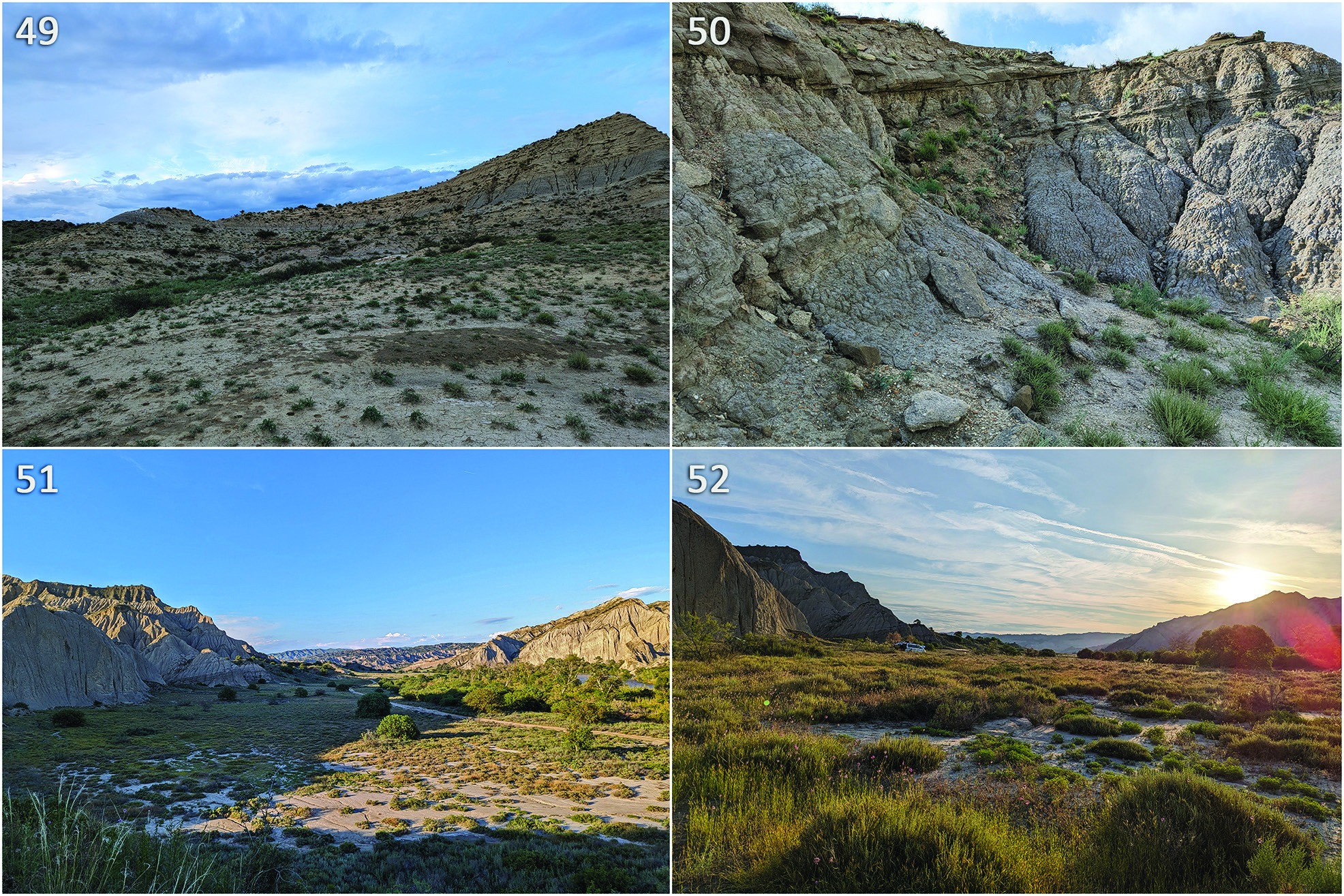
At Osiaskheoba the researchers also sampled a microhabitat of muddy clay hills. Mijniskure is the type locality of one of the new species, Leptopilos longiembolus.
Two species known so far only from Georgia
Harpactea digitata is a spider of the family Dysderidae. It was described from a male collected at Dedoplistskaro. According to the World Spider Catalog, the species is so far known only from Georgia.
Leptopilos longiembolus belongs to the family Gnaphosidae. It too was described from a male, from Mijniskure in Vashlovani National Park. The name is Latin for "long embolus". The embolus is part of the male palp and one of the main features used to tell spider species apart.
The holotypes of both species are kept in Tbilisi, at the Institute of Zoology of Ilia State University. A holotype is the single specimen a species name is tied to. The reference material for these two species is therefore stored in Georgia.
Palpimanus obscurus: old specimens, a new name
Palpimanus obscurus is a spider of the family Palpimanidae and the only one of the new species that also lives outside Georgia. It is known from Georgia, Azerbaijan and Iran. The species was described from both males and females.
Scientists had met this spider before, under other names. Material from Azerbaijan was published in 2003 as Palpimanus sogdianus, which the new paper treats as a misidentification. Specimens found in Georgia were published in 2023 as Palpimanus sp., without a species name.
Now both sets of material share one name. The holotype male and two paratype females are kept at the Institute of Zoology of Ilia State University.
Three species added to the Georgian list
The paper also confirms three already known species in Georgia for the first time. Bogdocosa kronebergi is a wolf spider (Lycosidae). The World Spider Catalog lists it from the Caucasus, Iran, Kazakhstan, Central Asia and China.
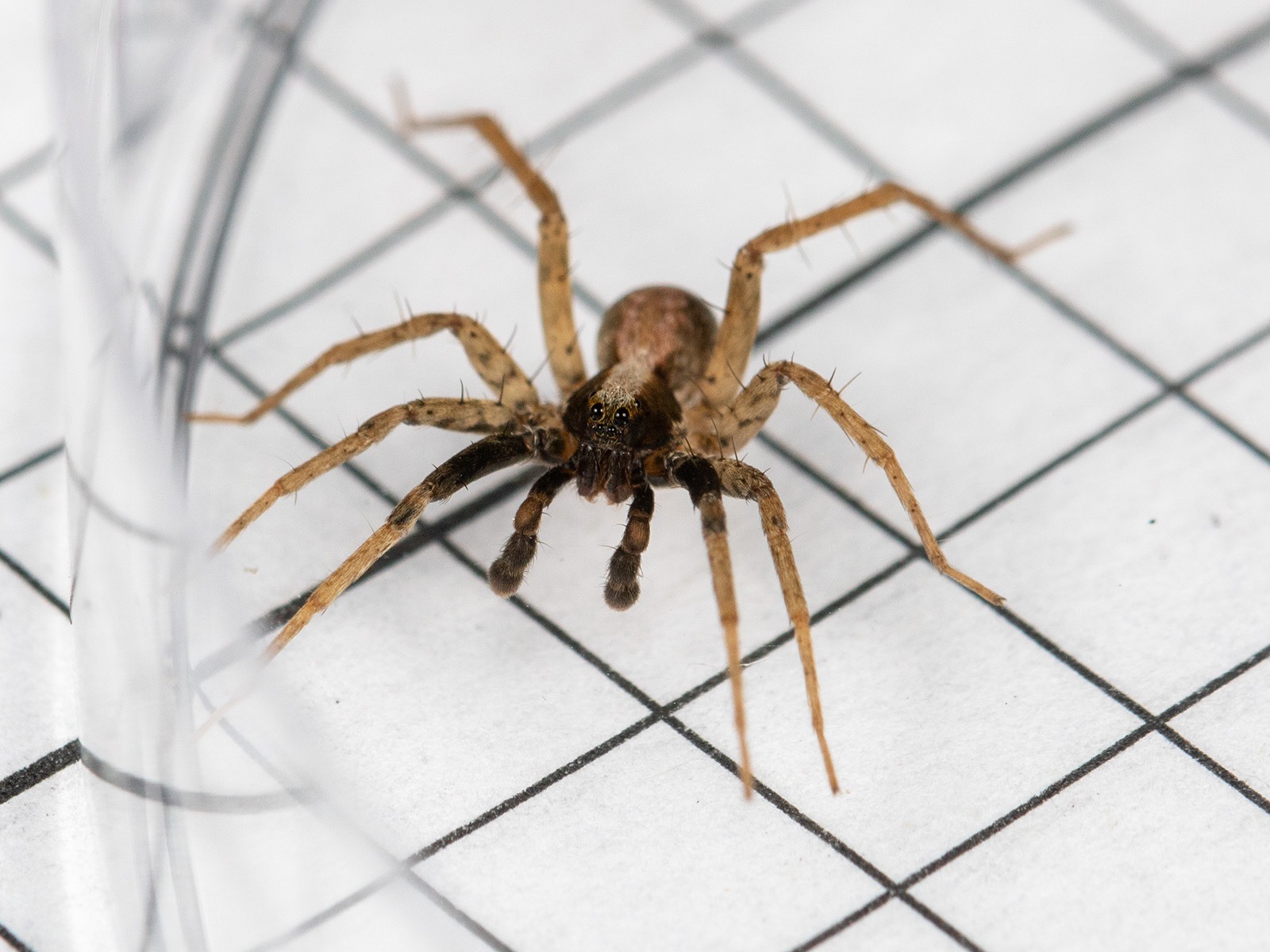
Marinarozelotes adriaticus is a ground spider (Gnaphosidae) with a wide range from Italy to China. Pseudicius palaestinensis is a jumping spider (Salticidae). The authors recorded all three species in Georgia for the first time.
The female of Synema inexpectatum, described for the first time
Synema inexpectatum is a crab spider (Thomisidae) that the same authors described in 2024, in the first part of the series. At the time the species was known from a single male from Osiaskheoba in Chachuna Managed Reserve. The first paper spelled the name Synema inexpectata; it is now written inexpectatum.
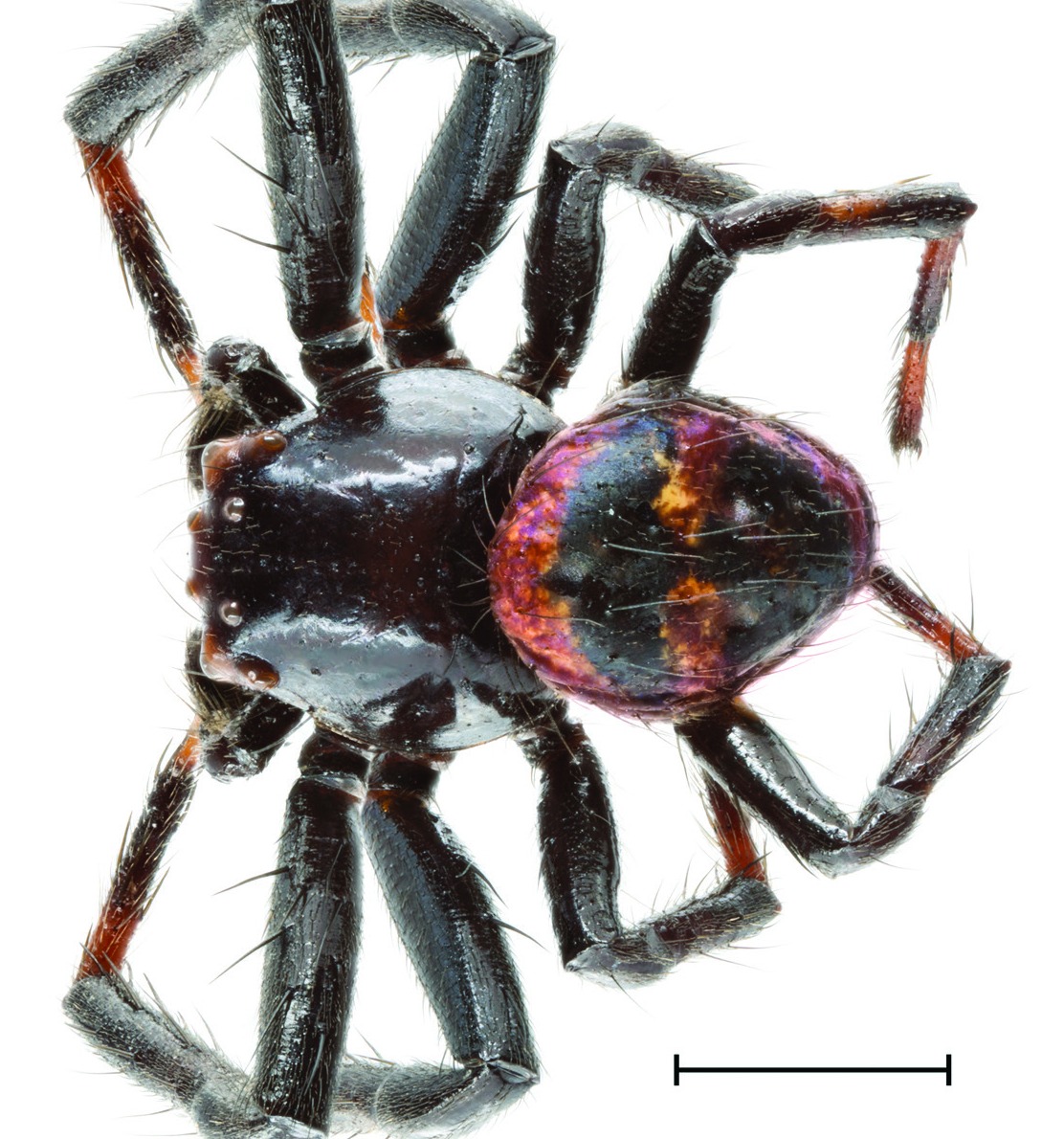
The female described in the new paper was collected together with several males. The same paper records the species from Kvemo Kartli for the first time. Within two years, both sexes became known, along with a second region besides Kakheti.
Why it matters
Many people think of Vashlovani for its snakes, birds and landscapes. These two papers show that the same dry hills are also home to undescribed spider species. Five new species in two papers mean that Georgia's spider fauna is still far from fully known.
The story also stands out because the research is entirely Georgian: material collected in Georgia, Georgian authors and holotypes kept in Tbilisi. The case of Palpimanus obscurus shows that a new species sometimes hides in specimens that have already been published. That is why old material kept in collections still has a lot to teach us.

