


Ten wild goats released in Tetrobi Managed Reserve
The wild goat recovery project has moved from plan to practice: ten animals were released into the wild at Tetrobi Managed Reserve in Javakheti.

Specialists from the National Wildlife Agency, the Agency of Protected Areas and Tbilisi Zoo released ten wild goats in Tetrobi Managed Reserve. The news was reported on 27 October 2026. In this first stage the animals come from the Tbilisi Zoo population, and they will be followed with GPS collars, camera traps and drones.
What happened at Tetrobi?
Ten wild goats were released into the wild in Tetrobi Managed Reserve. Specialists from the National Wildlife Agency, the Agency of Protected Areas and Tbilisi Zoo took part. The news was reported on 27 October 2026; the report does not give the exact day of the release.
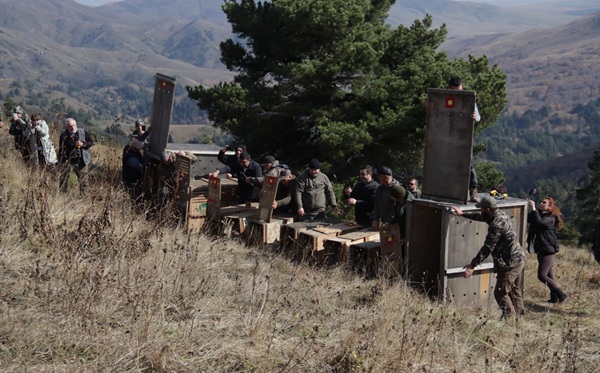
The release is part of the national wild goat recovery plan. The National Wildlife Agency runs the plan with support from Tbilisi Zoo. The aim is a viable wild population in Georgia and the species' return to its historical range. Tetrobi Managed Reserve lies within that range.
From plan to release
On 21 September the ministry only announced that the project was starting. We wrote then that the sources did not yet confirm a release or give any number of animals. Five weeks later the picture has changed: the number, the origin of the animals and the monitoring methods are known. Most importantly, the wild goats are now out in the wild in Javakheti.
Where did the animals come from?
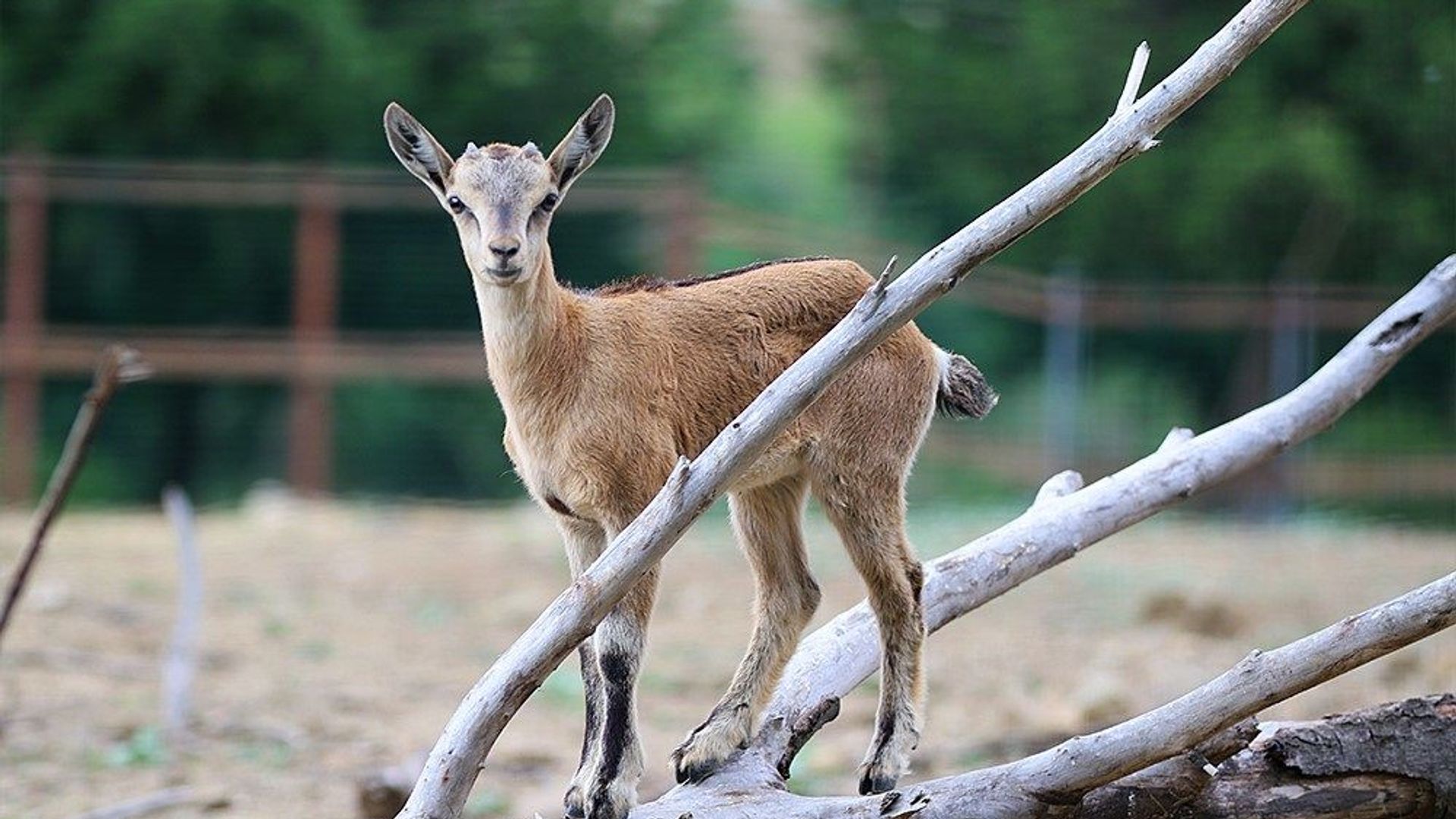
In the first stage the priority is the Tbilisi Zoo population, and that is where the released animals come from. This way the wild goat returns to the wild step by step, which should help a stable population form. The report does not say when or how many animals will be released in later stages.
How will the wild goats be monitored?
After the release the National Wildlife Agency will monitor the animals continuously, together with the Agency of Protected Areas. Specialists will track how the wild goats move, how they adapt to their new surroundings and how their numbers change. They will use GPS collars, camera traps and drones.
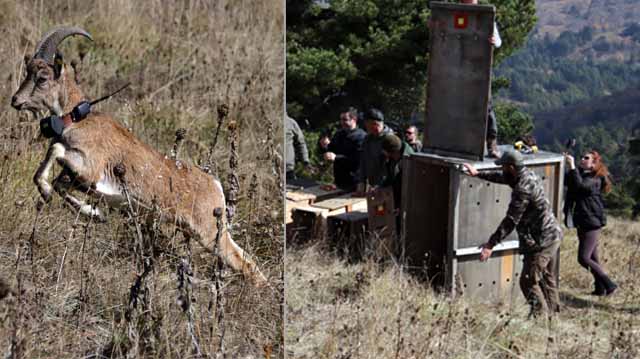
A release is the start of a recovery, not the result. Programmes like this are judged over years: by survival, by breeding and by whether the group can live in the wild on its own. That is the question the collar, camera trap and drone data will answer.
Why does this matter?
Georgia's 2014 Red List lists the wild goat as Critically Endangered, and the IUCN assesses it as Near Threatened globally. According to the atlas profile, confirmed breeding populations in the country are today limited to Tusheti and northern Khevsureti. Tetrobi Managed Reserve lies in the Lesser Caucasus and, according to the Agency of Protected Areas, covers 3,089 hectares.
Ten animals are not yet a population. But their fate will show whether the wild goat can return to Javakheti.

