


Two new pseudoscorpion species described from Georgian caves
Pseudoscorpions found in two caves of Zemo Imereti, Ephippiochthonius boritiensis and E. trapezoides, are new to science. So far they are known only from Georgia.
On 27 March 2026 the journal Zootaxa published a paper describing two new cave-dwelling pseudoscorpion species. Both were found in caves of the Zemo Imereti Plateau in Kharagauli Municipality: one in Kozmani Cave, the other in Tsintskila Cave. The authors are Mariam Gogshelidze, a zoologist at Ilia State University, and the Hungarian arachnologist János Novák.
What was found?
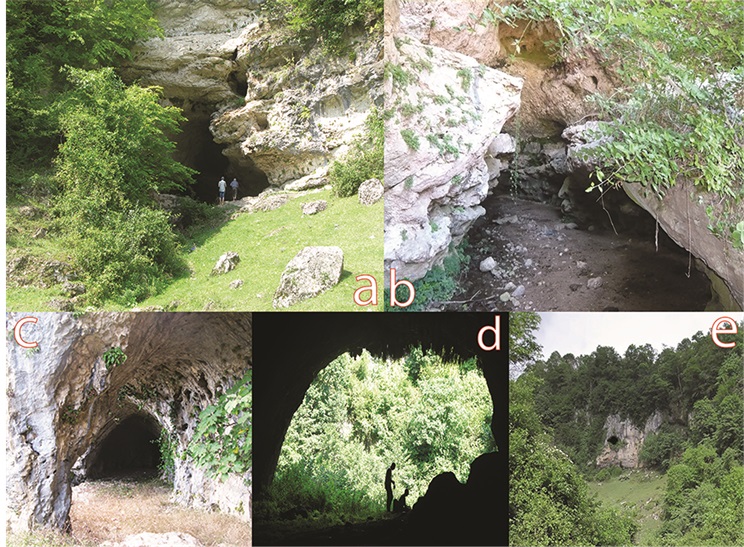
Both new species belong to the genus Ephippiochthonius. Ephippiochthonius boritiensis was described from Kozmani Cave and E. trapezoides from Tsintskila Cave. Both caves lie in Imereti, in Kharagauli Municipality, in the karst massif of the Zemo Imereti Plateau. Neither species has a Georgian name yet.
The paper was published in Zootaxa on 27 March 2026. The description of E. boritiensis is based on one male and one female, that of E. trapezoides on one female. In both cases the name-bearing specimen, the holotype, is kept at the Institute of Zoology of Ilia State University. According to the world catalogue, both species are so far known only from Georgia.
What are pseudoscorpions?
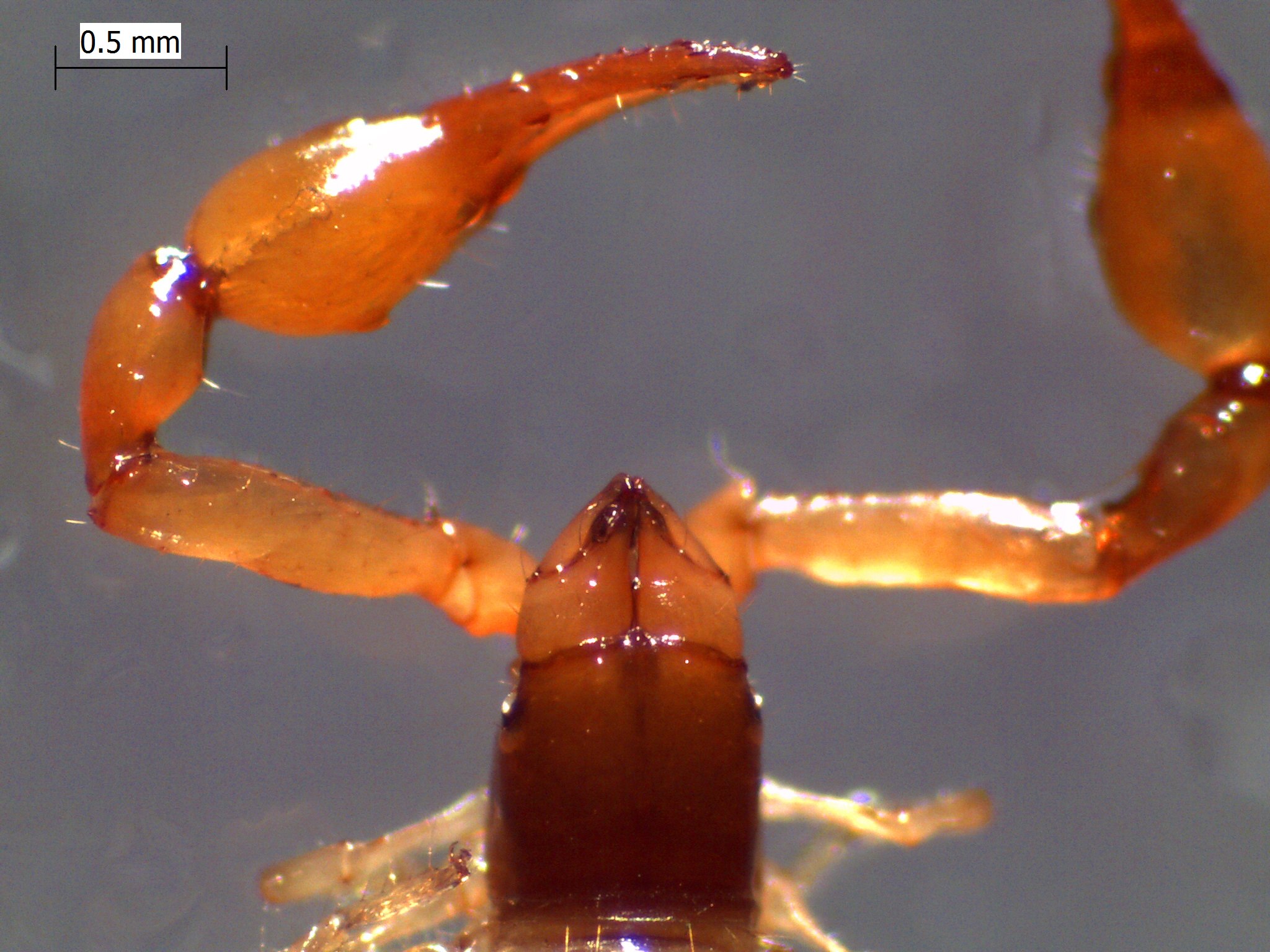
Pseudoscorpions (Pseudoscorpiones) are a small order of arachnids. Their large pincers make them look like scorpions, but they have no tail and no sting. They measure in millimetres, so people rarely notice them: they live in forest leaf litter, under stones or in caves.
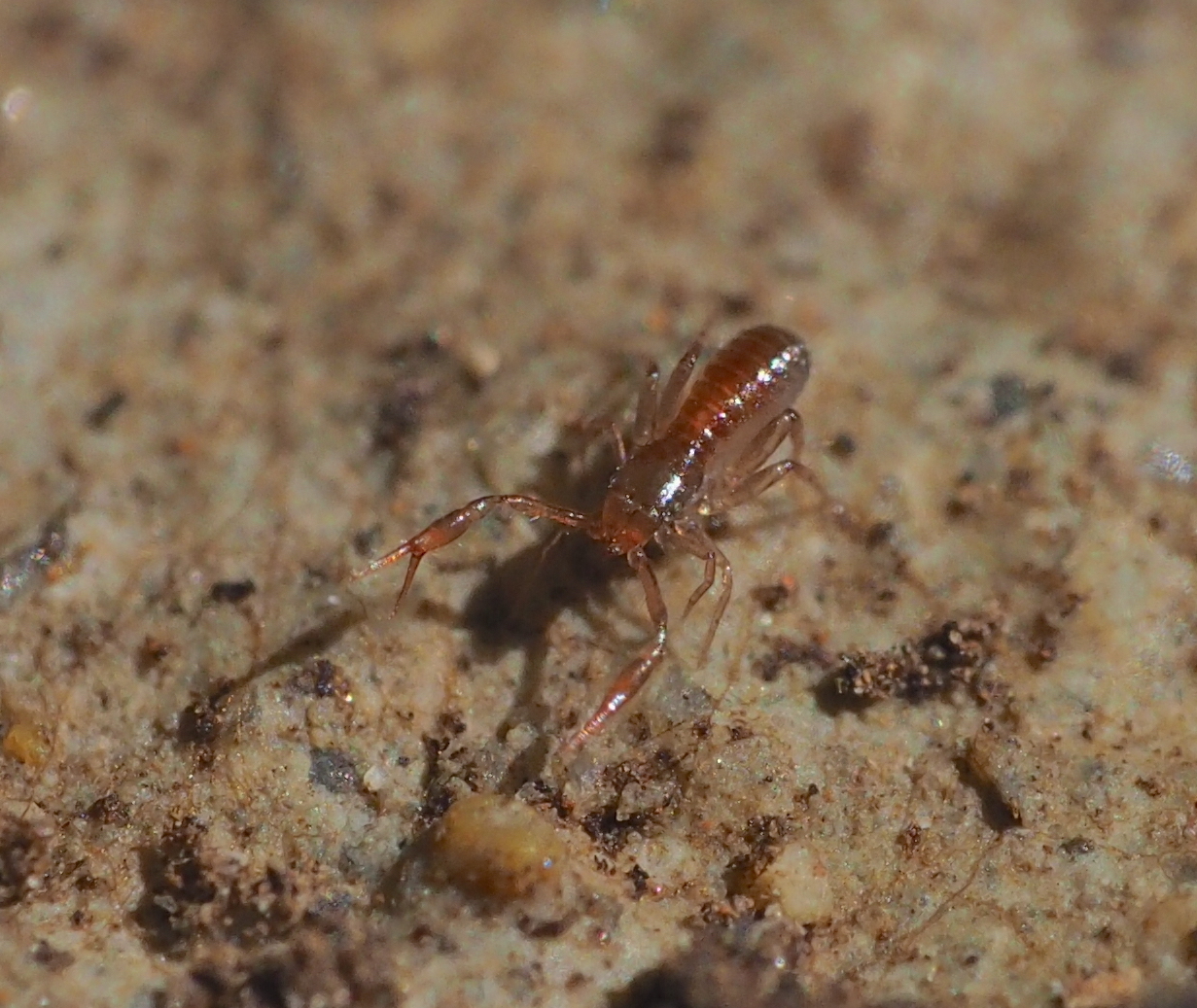
For a long time Ephippiochthonius was treated as a subgenus of Chthonius, and it was raised to a genus in 2017. That is why some of its species still appear under Chthonius in older sources and photo archives. The E. tetrachelatus in the main photo is one of them.
What does this add to Georgia’s fauna?
Alongside the new species, the authors published a key to all Ephippiochthonius species known from Georgia. It covers both cave-dwelling and surface-dwelling species. A key like this helps later researchers assign a new specimen to a known species or describe it as new.
This is not the authors’ first such paper. In 2025 Novák and Gogshelidze described three more new pseudoscorpion species from Georgian caves, in the genus Neobisium.
A series of cave discoveries
The caves of Zemo Imereti have produced several discoveries in recent months. In October a new genus of terrestrial isopods was described from two caves in the same region. The two new pseudoscorpions confirm the same point: the fauna of Georgia’s caves is still far from fully studied.

