


173 dead sturgeon found on Kazakhstan’s Caspian coast
In Mangystau region, sturgeon carcasses lay scattered along 15 km of shore. The cause of death is unknown and, according to the fisheries inspection, cannot be determined.
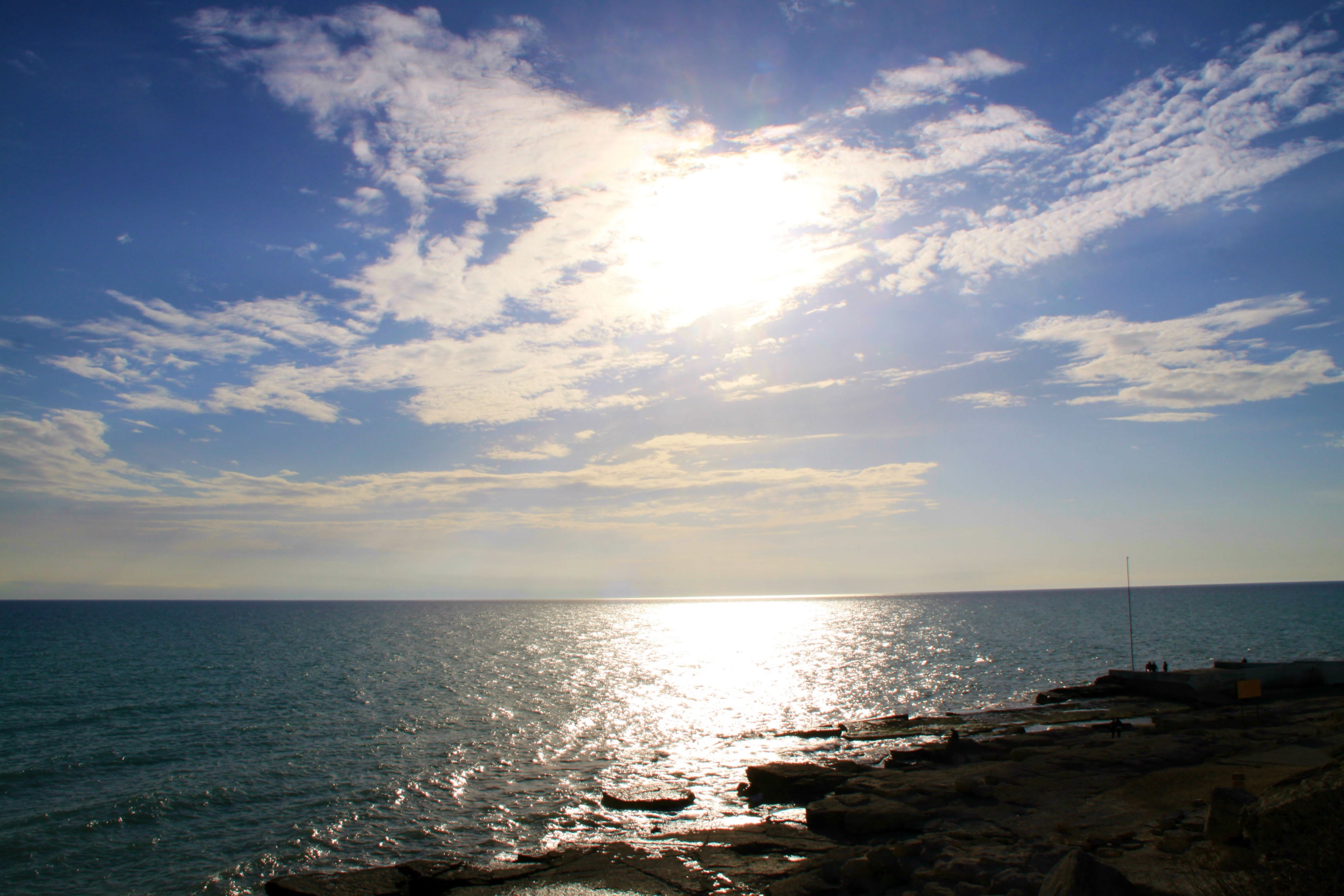
On 20 October 2026, 173 sturgeon carcasses were found on the Caspian Sea coast in Karakiya district, Mangystau region, Kazakhstan. A strong westerly wind is thought to have washed them ashore. The carcasses were completely dried out, so tissue analysis proved impossible. Ecologists have taken seawater samples.
What was found?
On 20 October the Wildlife Protection Service of the Mangystau Fisheries Department and the regional fisheries inspection checked the Caspian shore in Karakiya district. Their route ran from the Omir Glamping resort to Cape Peschany and on to the port of Kuryk.
On this stretch they found 173 sturgeon carcasses. The fish did not lie in one spot: the carcasses were scattered along about 15 kilometres of shore, three or four together in some places and more in others. The reports do not say which species they belonged to.
Why did the fish die?
The cause is unknown. A strong westerly wind is thought to have washed the carcasses ashore. That explains how the fish reached the beach, but not what killed them.
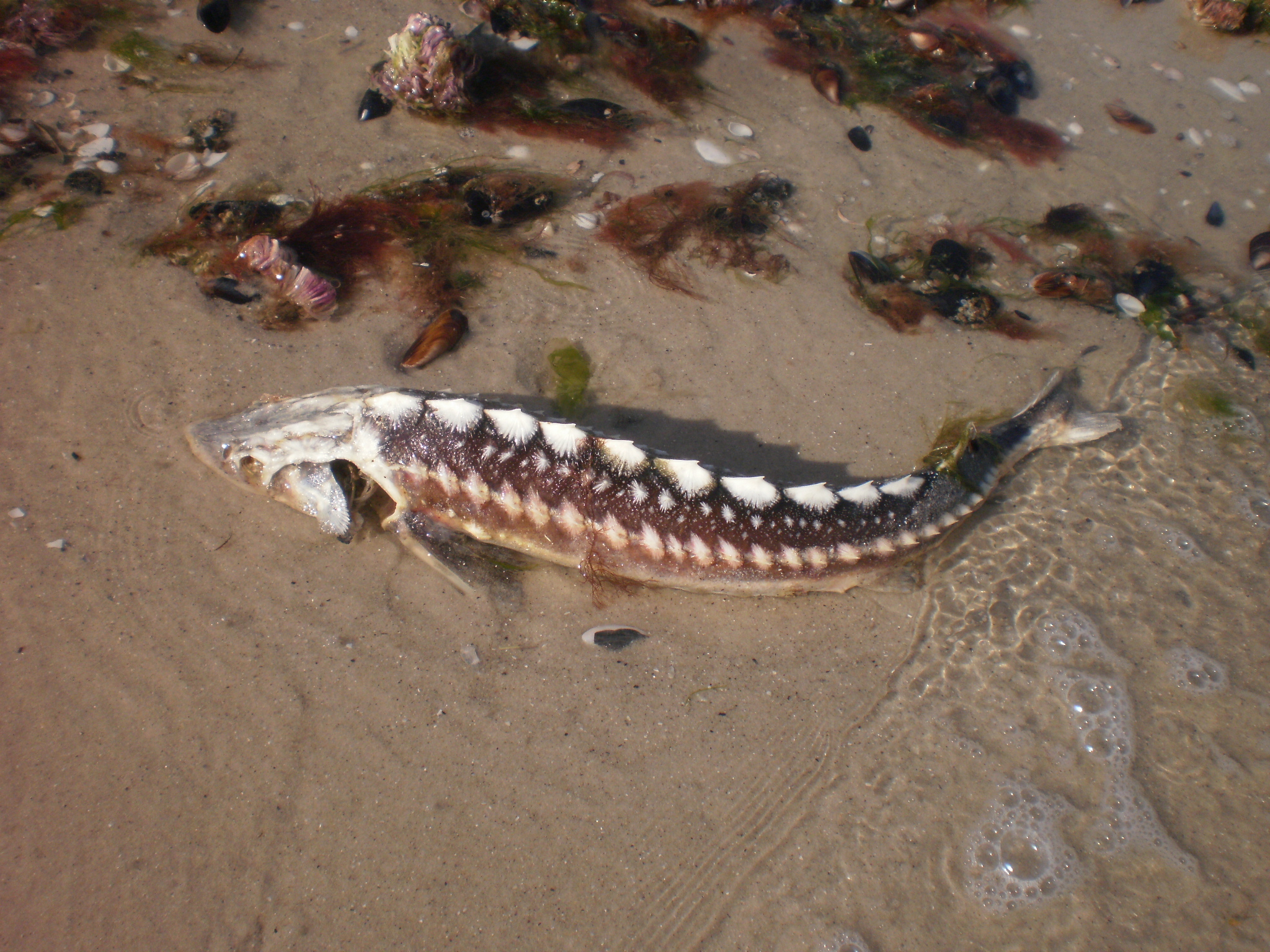
The first reports said the carcasses were at different stages of decomposition and that specialists were taking biological material and seawater samples. A later, updated report from the fisheries inspection was more precise: the carcasses had mummified naturally and were completely dry. Soft tissue for histological and toxicological analysis therefore could not be taken. The inspection concluded that the cause of death cannot be determined.
No signs of poaching were found. On visual inspection the fish bore no marks from fishing nets and no hook punctures in the mouth.
What happens now?
Specialists from the Mangystau regional ecology department have taken seawater samples. The department says the laboratory results will be announced later. As of 1 November, the sources used here do not yet show them.
The dead fish are being collected, removed and disposed of. The district’s 102 police service, the regional ecology department and local executive bodies were notified.
Not only sturgeon
Other animals have also been found dead on the Mangystau coast this year. According to Informburo, 20 dead seals and 8 sturgeon were found recently in Tupkaragan district, near the Bautino desalination plant. In the same district about 200 dead seals were found in mid-April and about 35 more in May. Water samples taken in the earlier seal cases showed no pollutants.
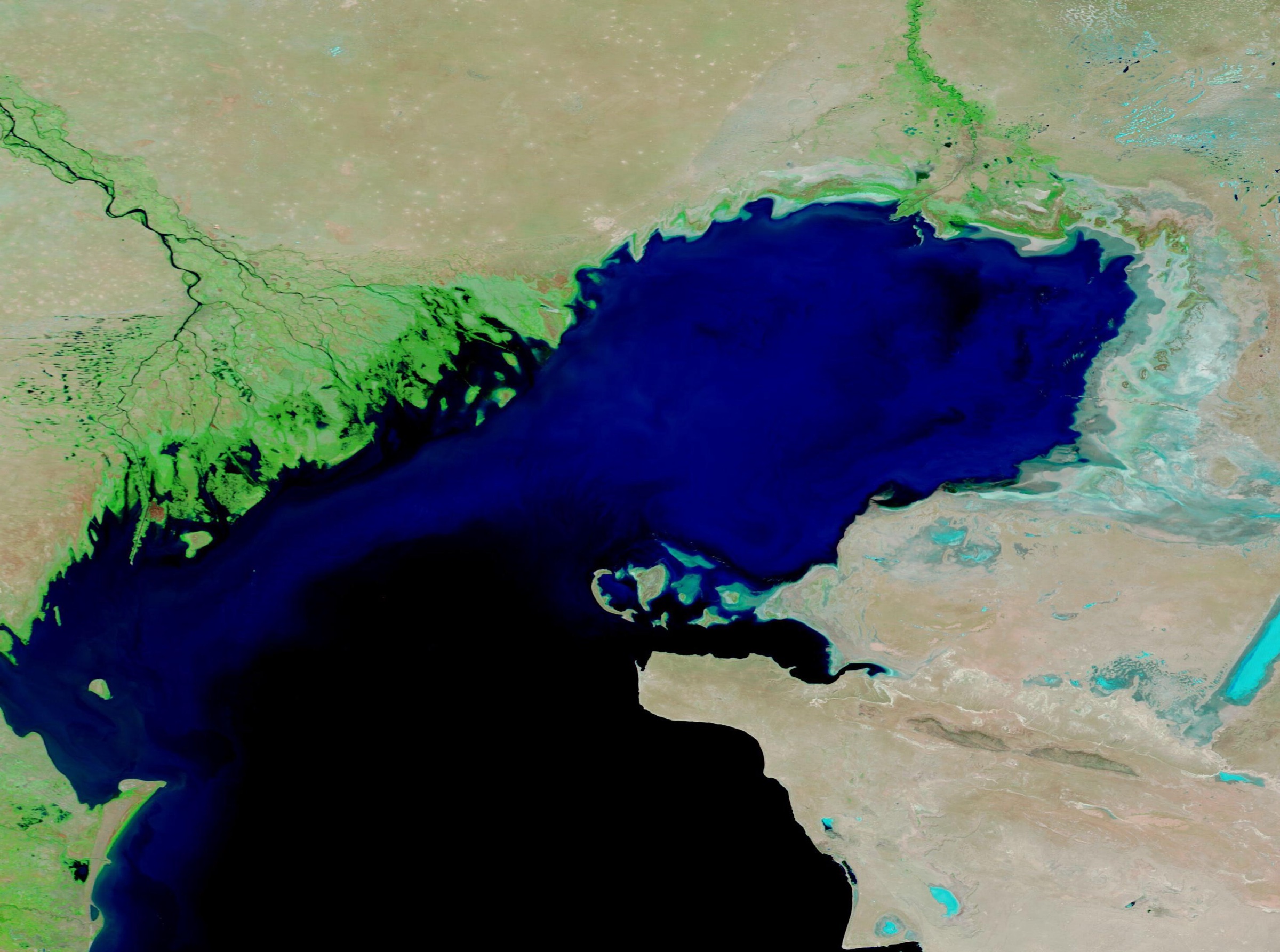
A loss like this weighs heavily because sturgeon are among the most threatened groups of animals in the world. In the July 2022 IUCN Red List update, all 26 remaining species of sturgeon and paddlefish were assessed as threatened with extinction, and almost two-thirds as Critically Endangered (CR). The main causes are poaching for the illegal trade in caviar and meat, dams that block the way to spawning grounds, and sand and gravel mining in rivers.
And in Georgia?
In Georgia, sturgeon still spawn in the Rioni. In May 2026 Parliament approved a 554-hectare protected area for sturgeon on the Rioni, and in October researchers caught 117 juvenile sturgeon on the Rioni in one night, a sign that sturgeon still breed there.
In the Caspian case, new information will come from the ecology department’s laboratory results. More stories are in the news.

