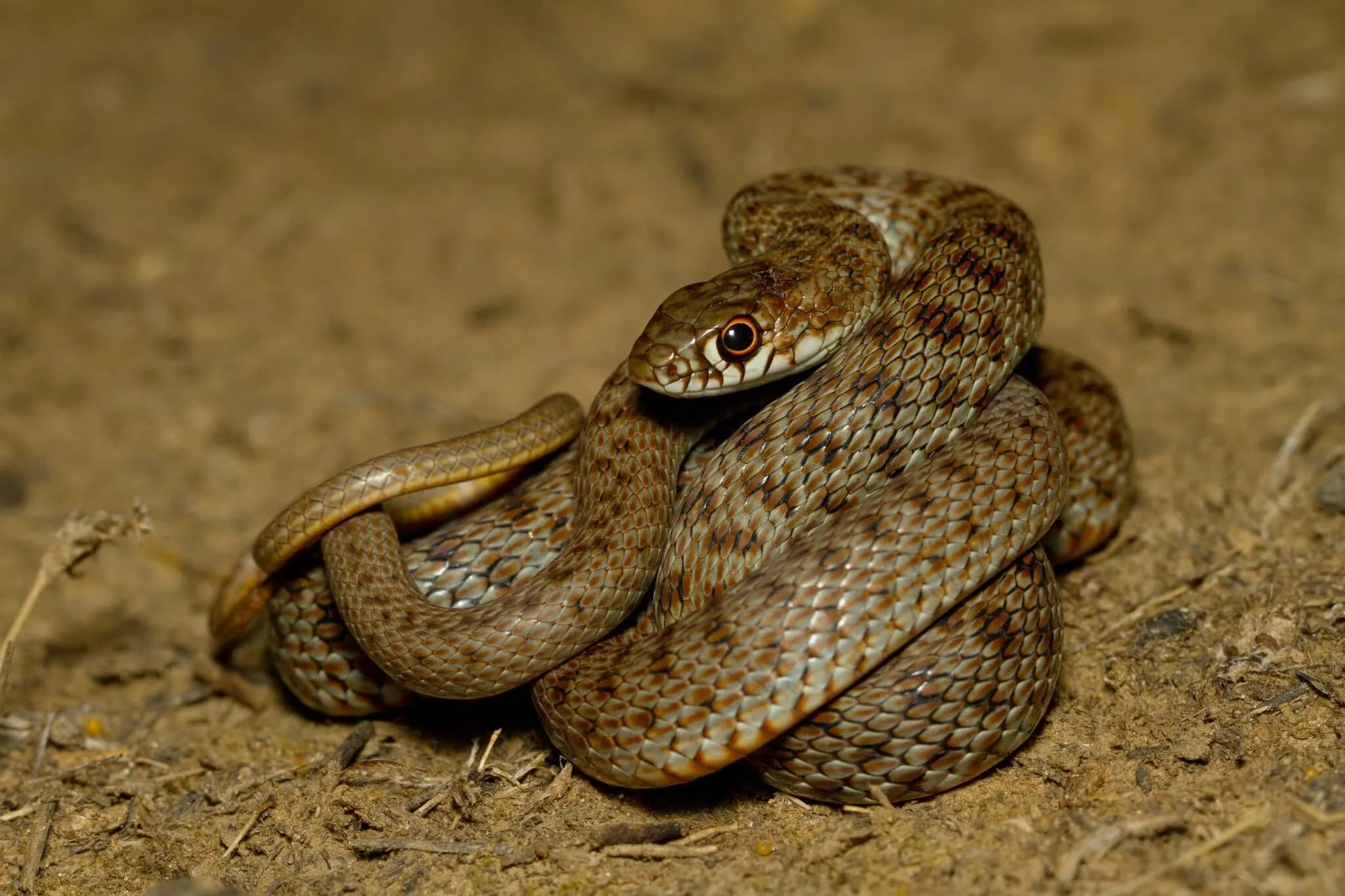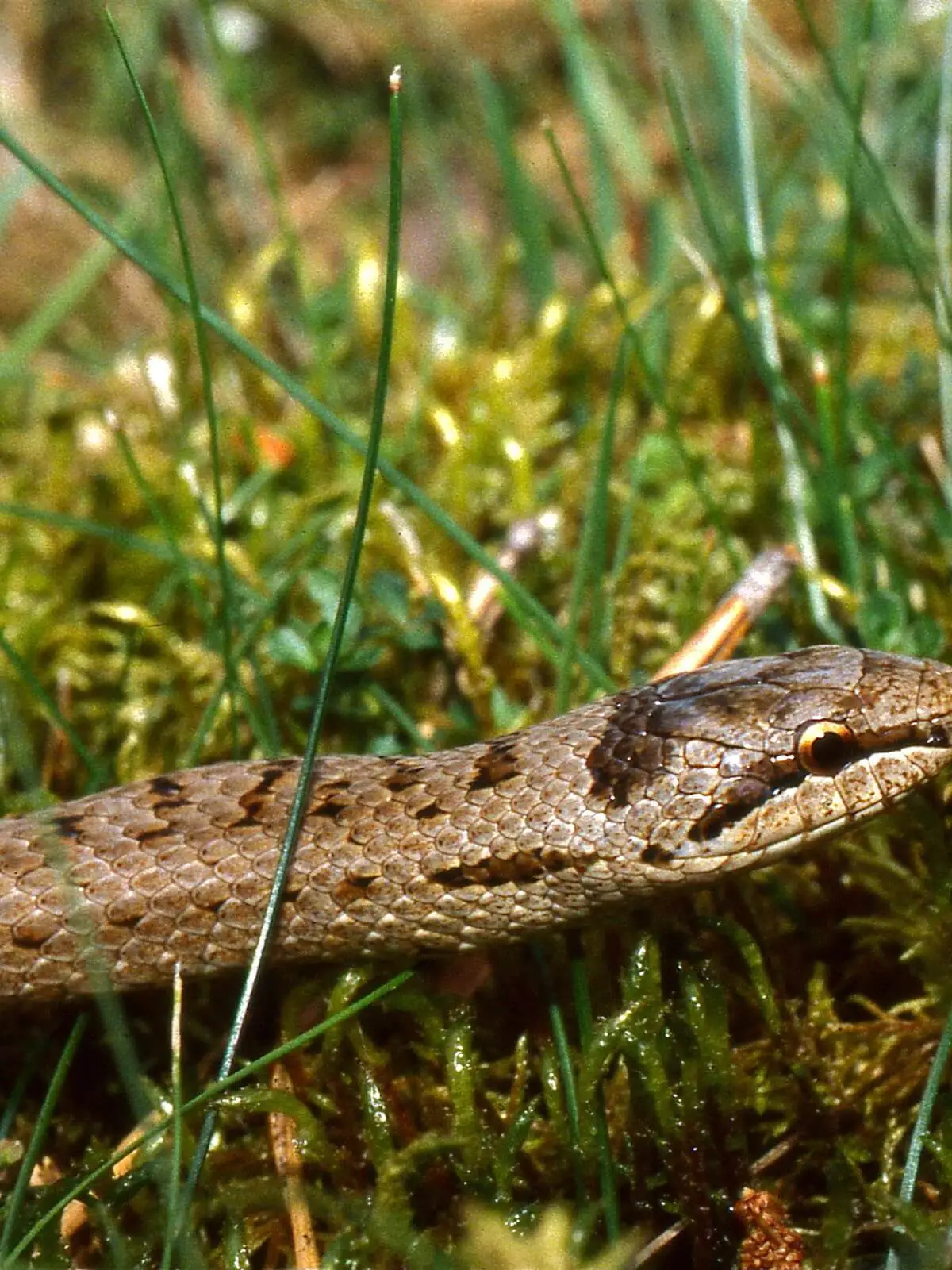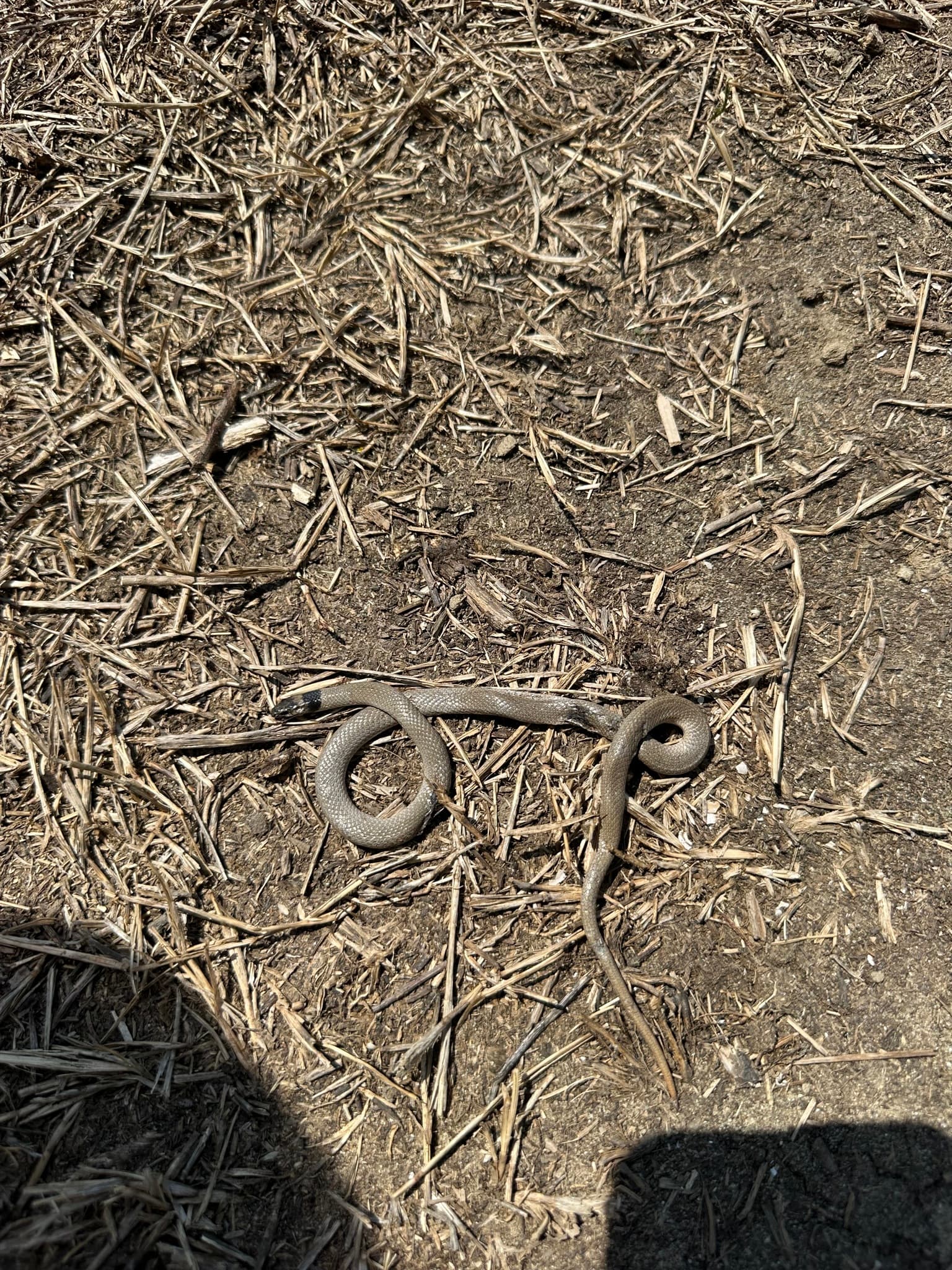


Caspian Whip Snake
Dolichophis caspius
Caspian Whip Snake — recorded from Georgia. Candidate species.
At a glance
Key facts in one look
Habitat
Open / rocky habitats
Length
Often 1 m or longer
Venom
None
Conservation
See IUCN
Family
Colubridae
Overview
Who is Caspian Whip Snake
Caspian Whip Snake (Dolichophis caspius) is recorded from Georgia. It is treated as a candidate species pending further integrative validation. This page summarises occurrence and general natural history from scientific sources; fine-scale districts are given only when explicitly supported.
Last updated
Gallery
Caspian Whip Snake in photos
Identification
How to identify Caspian Whip Snake
How to recognise Caspian Whip Snake.
- 01
Large or medium colubrid (Dolichophis caspius).
- 02
Round pupils; non-venomous (danger: harmless on this site unless noted).
- 03
Often fast and diurnal.
Biology
Diet, behavior, and conservation
Diet
Small vertebrates and/or invertebrates depending on species — lizards, rodents, amphibians or insects.
Behavior
Activity pattern varies from diurnal hunters to secretive fossorial or nocturnal species.
Conservation
Recorded in Georgia. See IUCN for global status where assessed.
Questions
Frequently asked questions
Short answers to the most important questions about Caspian Whip Snake.
Yes. It is among the 68 amphibians and reptiles formally recorded from Georgia.
Candidate status is used when species rank still needs contact-zone and multi-marker validation.
Site classification: Harmless. Venom: None.
Small vertebrates and/or invertebrates depending on species — lizards, rodents, amphibians or insects.
References
Sources & References
References
Sources & References
- Tarkhnishvili et al. 2026 — Annotated checklist of Georgia's amphibians and reptiles
- Iankoshvili & Tarkhnishvili 2021 — Georgian herpetofauna records cited in Tarkhnishvili et al. 2026
- The Reptile Database
- IUCN Red List
Species profiles are compiled from peer-reviewed literature and established biodiversity databases, and are reviewed as new taxonomic and conservation data become available.