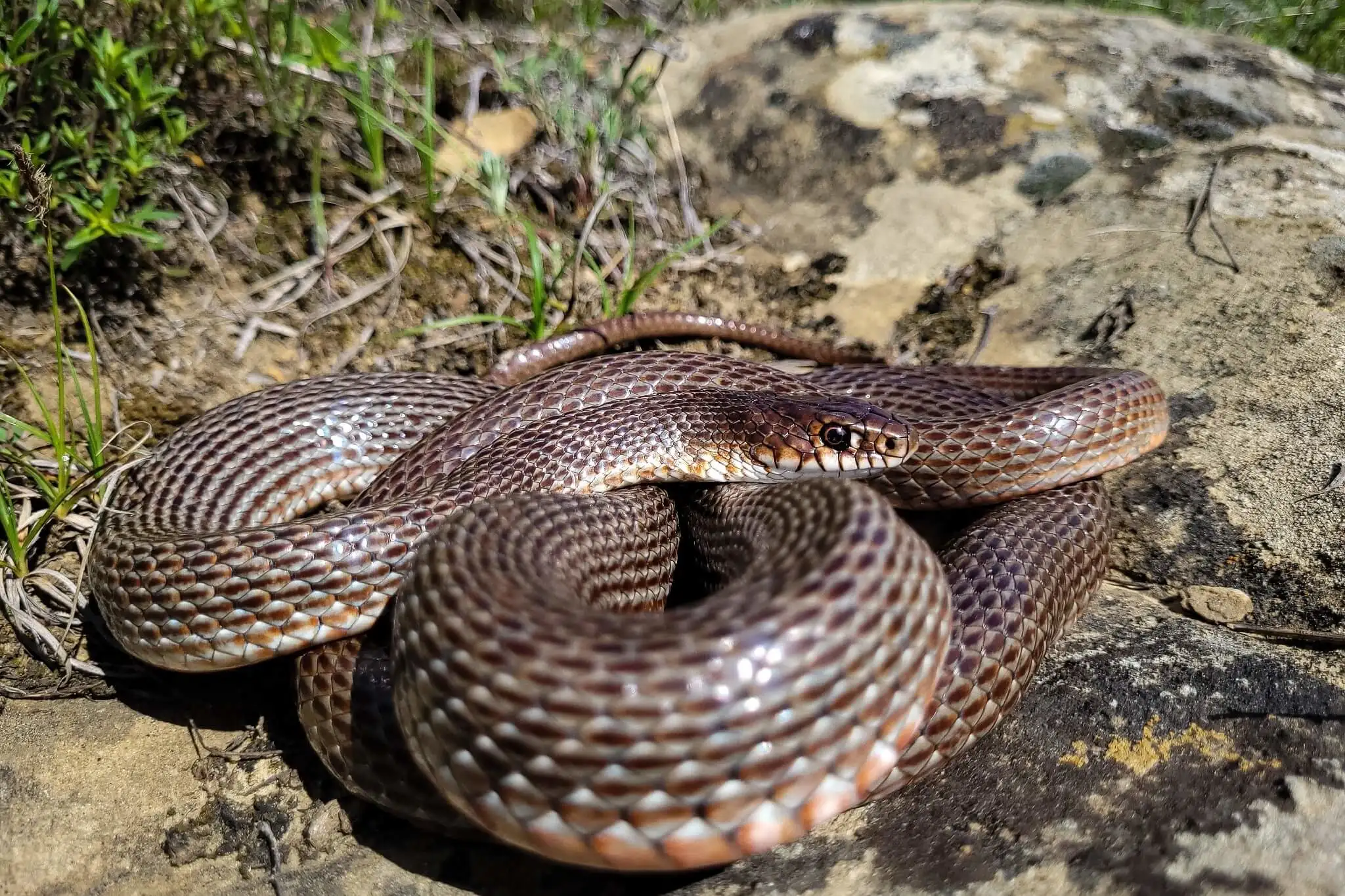
Red-bellied racer
A fast, non-venomous racer with a copper or reddish back and a distinctive red–orange belly — native to the dry landscapes of eastern Georgia.
At a glance
Key facts in one look
Habitat
Eastern Georgia
Length
approx. 1–1.5 m
Venom
None — harmless
Conservation
Least Concern (LC)
Elevation
0–2,000 m
Family
Colubridae
Gallery
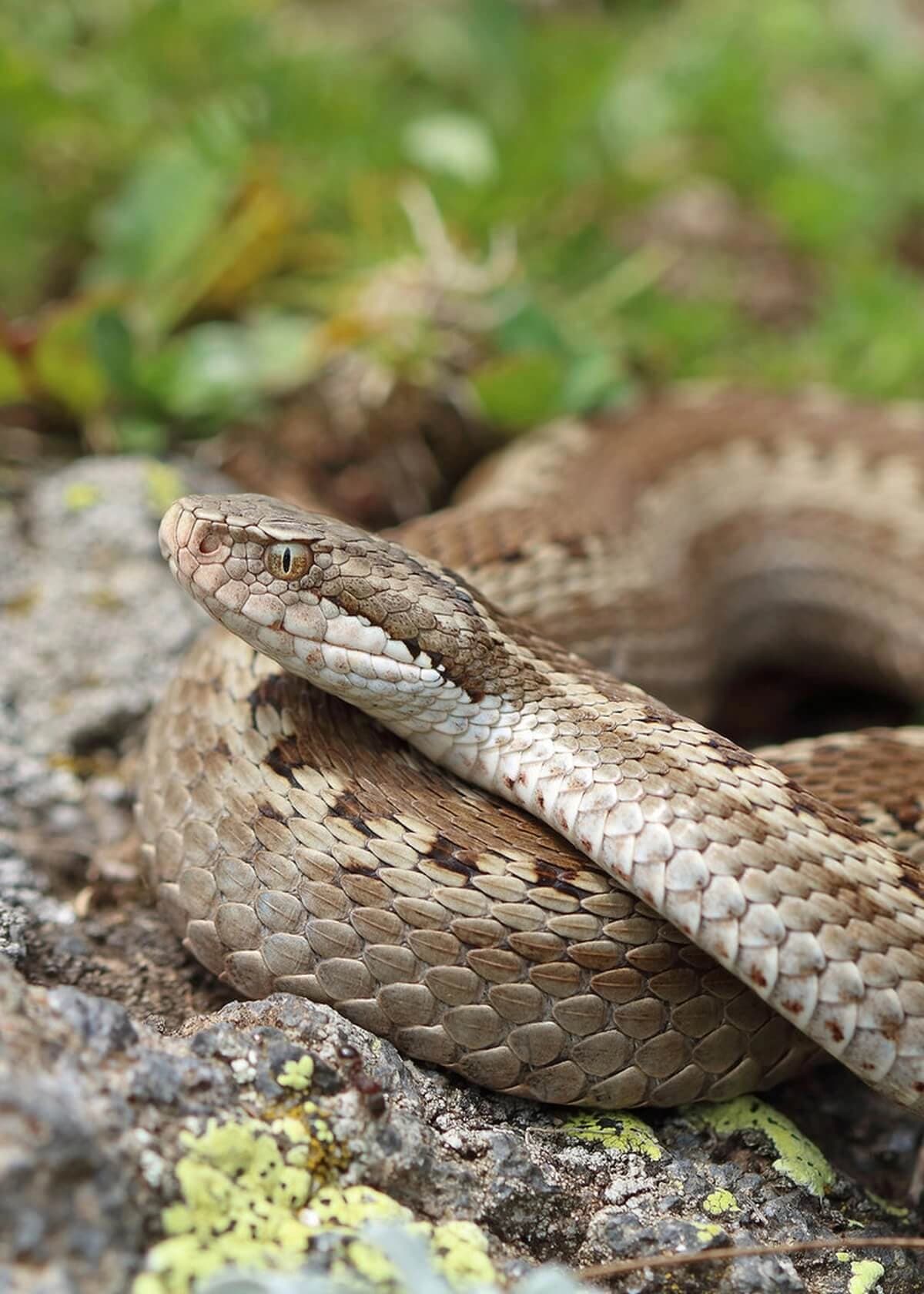
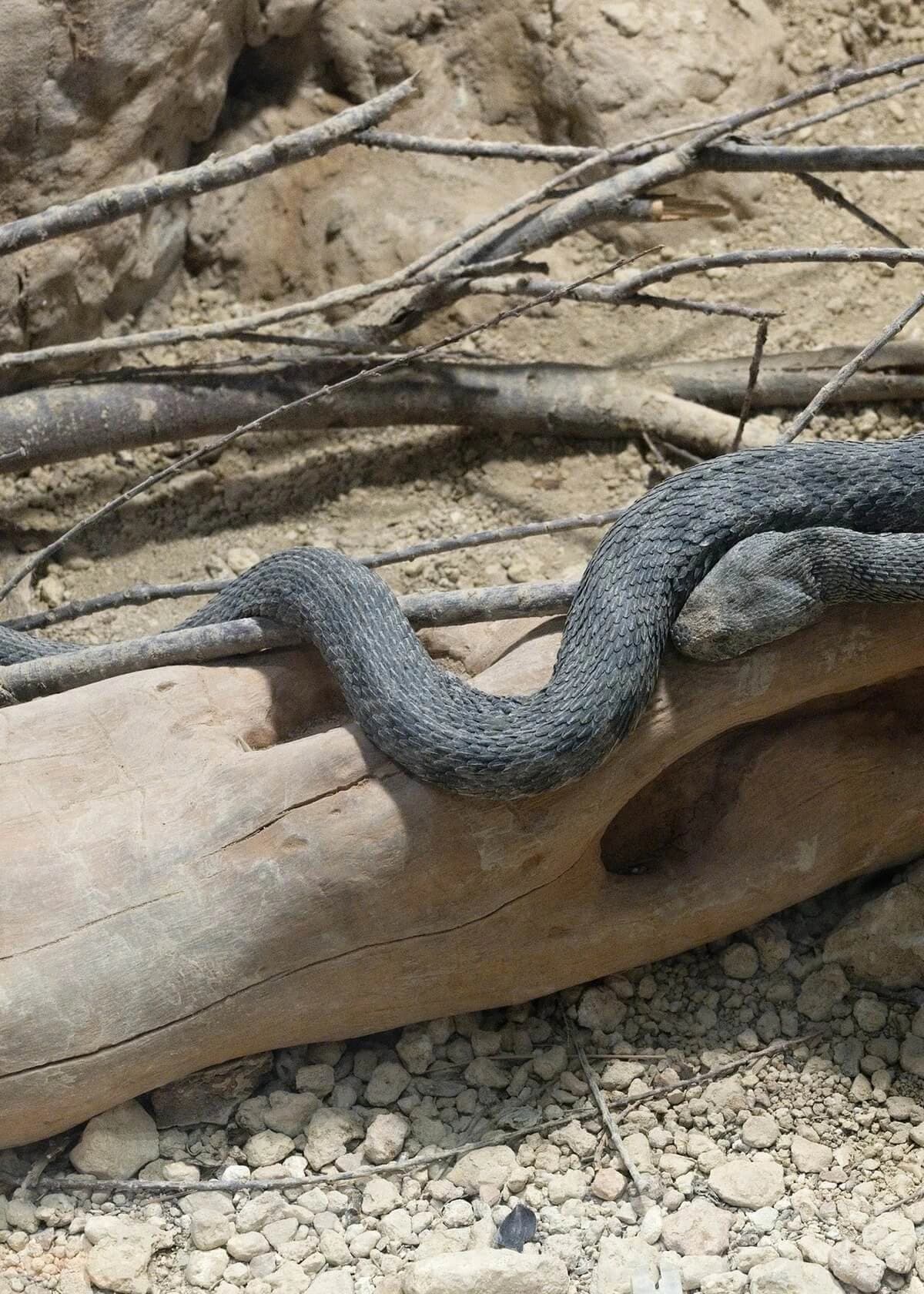
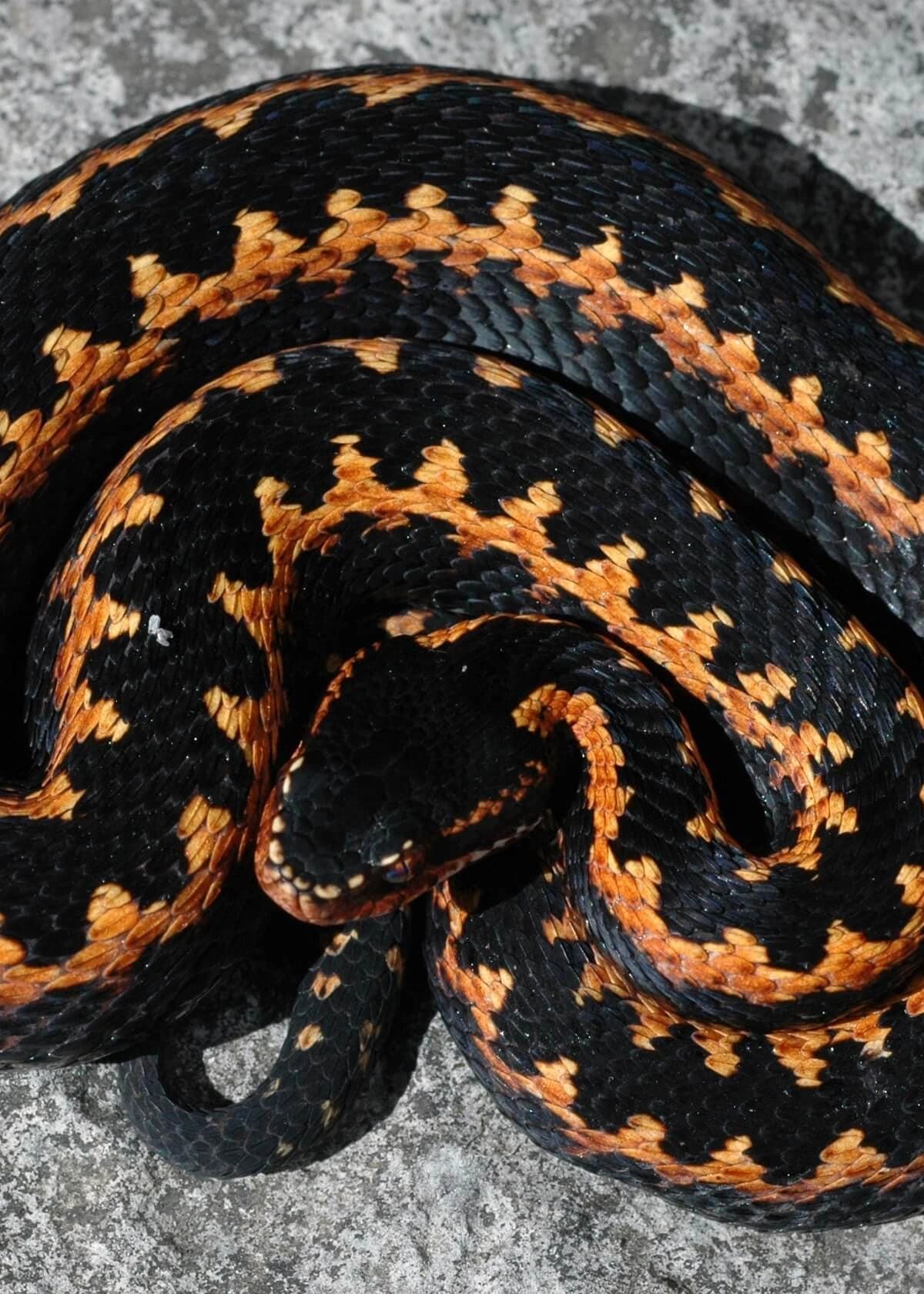
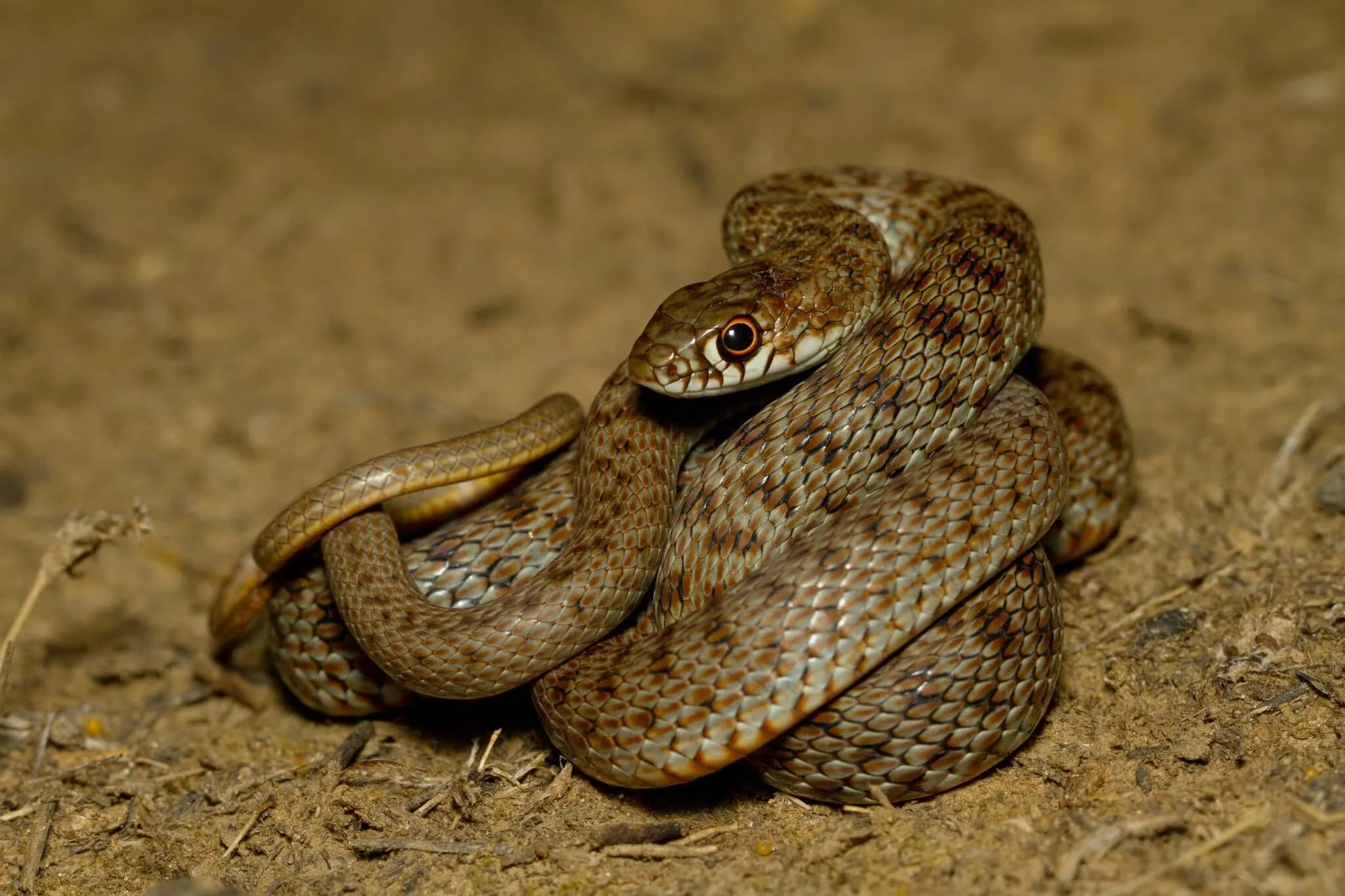
Red-bellied racer in photos
Interesting facts
What you should know
- 01
Named in honor of Russian ichthyologist Petr Yulevich Schmidt; the species was described by A. Nikolsky in 1909.
- 02
The red–orange belly is the main identification trait and distinguishes it from the Caspian whip snake.
- 03
It is non-venomous and harmless to humans — despite its speed and defensive behavior.
- 04
One of the largest winter aggregations in Georgia was recorded for this species — over 100 individuals in a single shelter.
Biology
Diet, behavior, and conservation
Diet
It is often observed near large rodent colonies, on which it primarily preys; it also feeds on lizards, birds, and other snakes. It is a fast pursuer and actively chases prey; it has no venom.
Behavior
It is diurnal — a fast, agile racer. When threatened it prefers to flee, though if cornered it may defend itself aggressively; it remains harmless to humans. Adults often have a uniform reddish dorsum, while juveniles are spotted; the distinctive red–orange belly gives the species its name and helps separate it from the Caspian whip snake (Dolichophis caspius). It is egg-laying: females lay roughly 5–11 eggs. In Georgia, large communal wintering in anthropogenic shelters has been documented — more than a hundred individuals in a single hibernaculum.
Conservation
Classified as Least Concern on the IUCN Red List; it also holds LC status in Georgia. Its range is broad and the species tolerates human-altered landscapes. Local threats include habitat conversion, road mortality, and killing due to confusion with venomous snakes. It benefits the ecosystem by reducing rodent numbers.
Questions
Frequently asked questions
Short answers to the most important questions about Red-bellied racer.
No — it is non-venomous and harmless to humans. It is fast and prefers to flee when threatened; if cornered it may defend itself, but it poses no real danger.
Mainly in the dry, rocky, and grassy landscapes of eastern Georgia — steppes, rocky slopes, vineyards, and near settlements. Vertically it occurs from sea level to roughly 2,000 m.
The red-bellied racer has a distinctive red or orange belly; adults are often copper/reddish. The Caspian whip snake (Dolichophis caspius) has different belly coloration and is treated as a separate species in Georgia.
Mainly rodents — it often hunts near their colonies; also lizards, birds, and other snakes. It has no venom — it catches prey with speed and force.
It is egg-laying. The female lays roughly 5–11 eggs; young hatch independently.