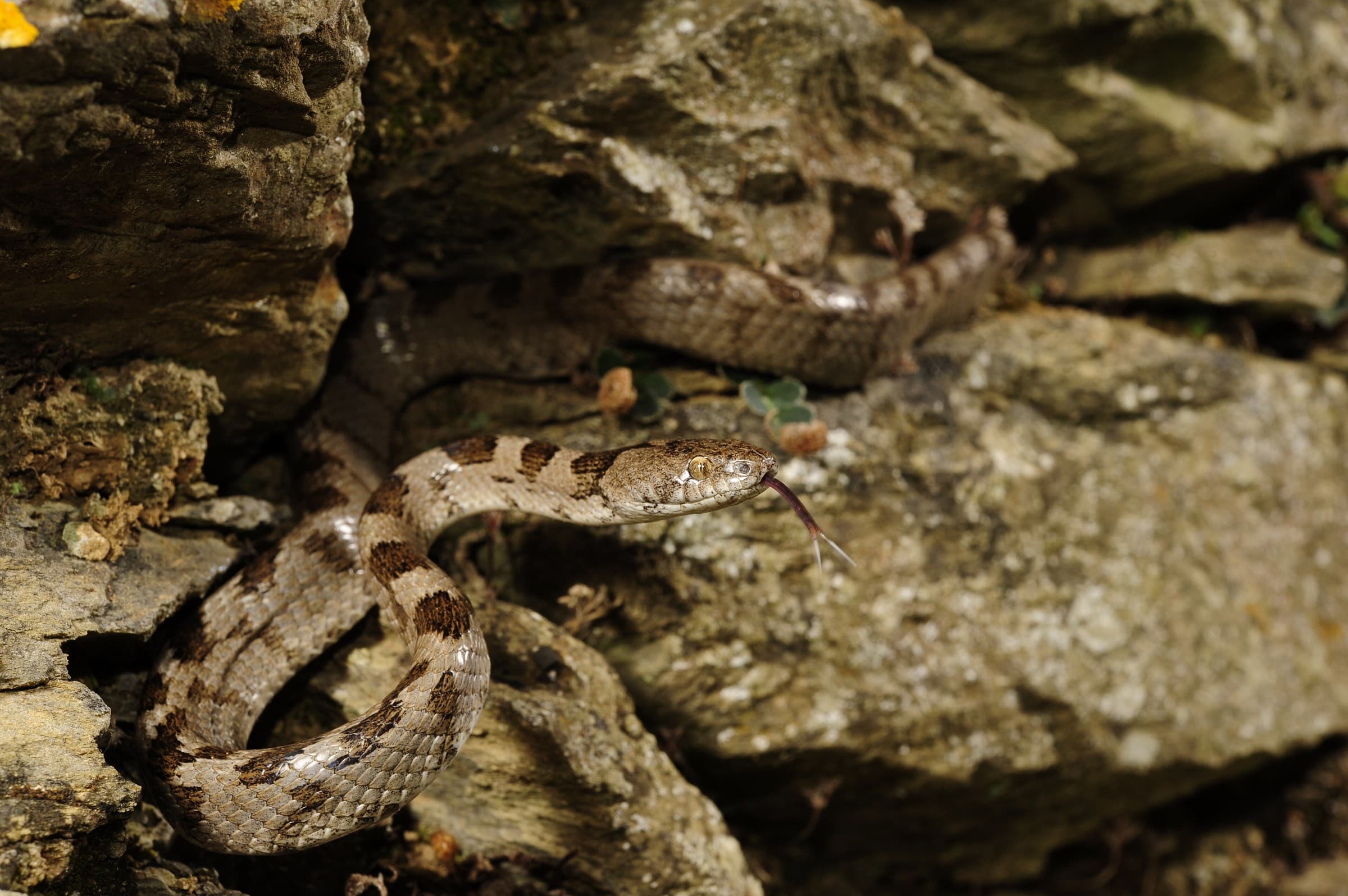
Photo: Maurice Flesier
European cat snake
Telescopus fallax
A crepuscular and nocturnal rear-fanged snake with a vertical, cat-like pupil — native to dry, rocky landscapes.
At a glance
Key facts in one look
Habitat
Dry rocky terrain
Length
approx. 60–100 cm
Venom
Rear-fanged — harmless
Conservation
Least Concern (LC)
Elevation
0–2,000 m
Family
Colubridae
Overview
Who is European cat snake
The European cat snake (Telescopus fallax), also called the Mediterranean cat snake, is a rear-fanged (opisthoglyphous) species of the family Colubridae. It was described by Friedrich Ludwig Fleischmann in 1831 (originally as Tarbophis fallax); the type locality is Dalmatia and Istria. It ranges from southeastern Europe across western Asia — the Balkans, Turkey, the Middle East, and the Caucasus. In Georgia it is known from the dry landscapes of the east and south; the Caucasian subspecies (T. f. iberus) has its type locality at Tbilisi (“Tiflis”). The name refers to the vertical, cat-like pupil. Length is usually about 60–100 cm (up to roughly 1 m). It is classified as Least Concern by the IUCN.
Last updated
Gallery
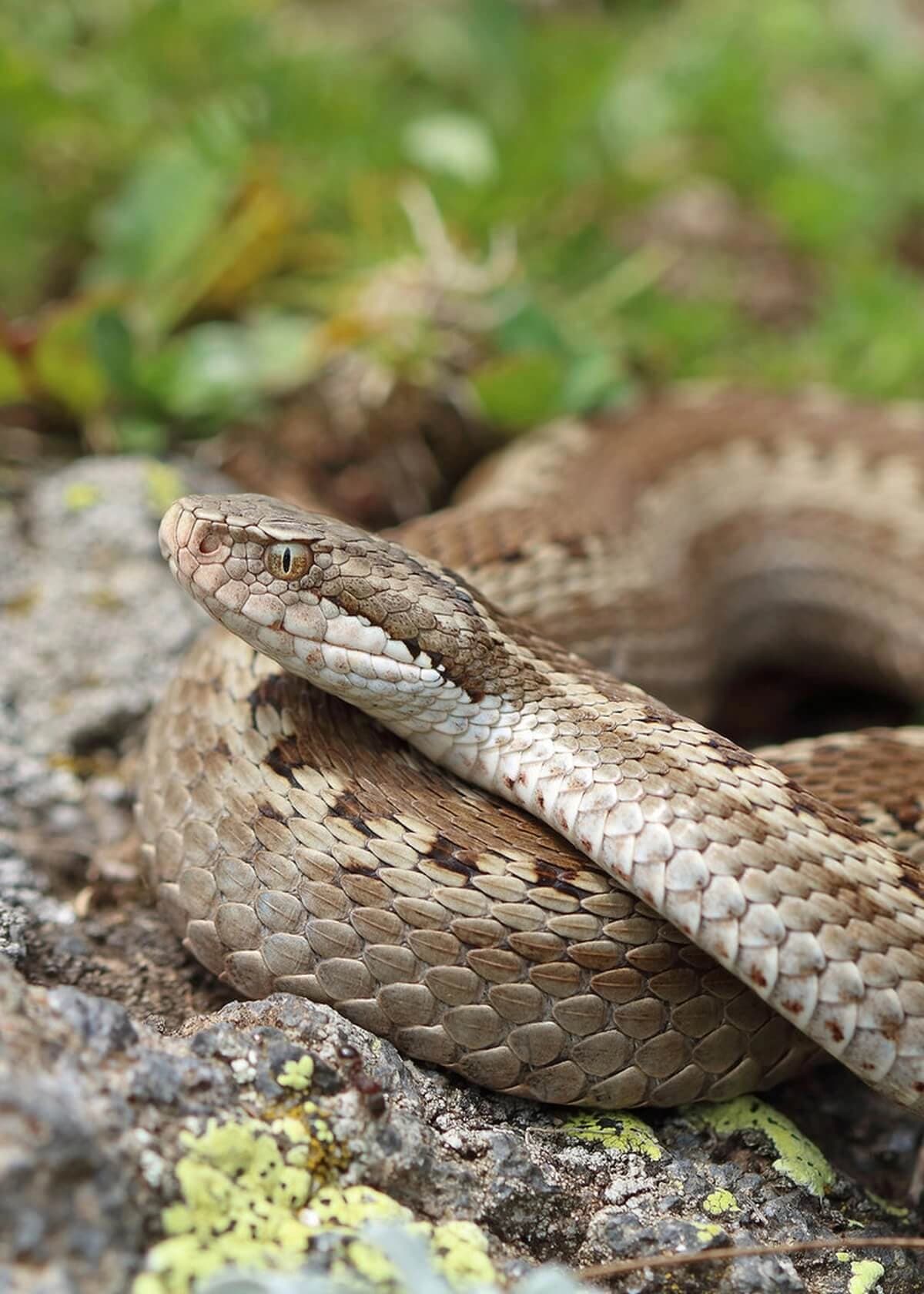
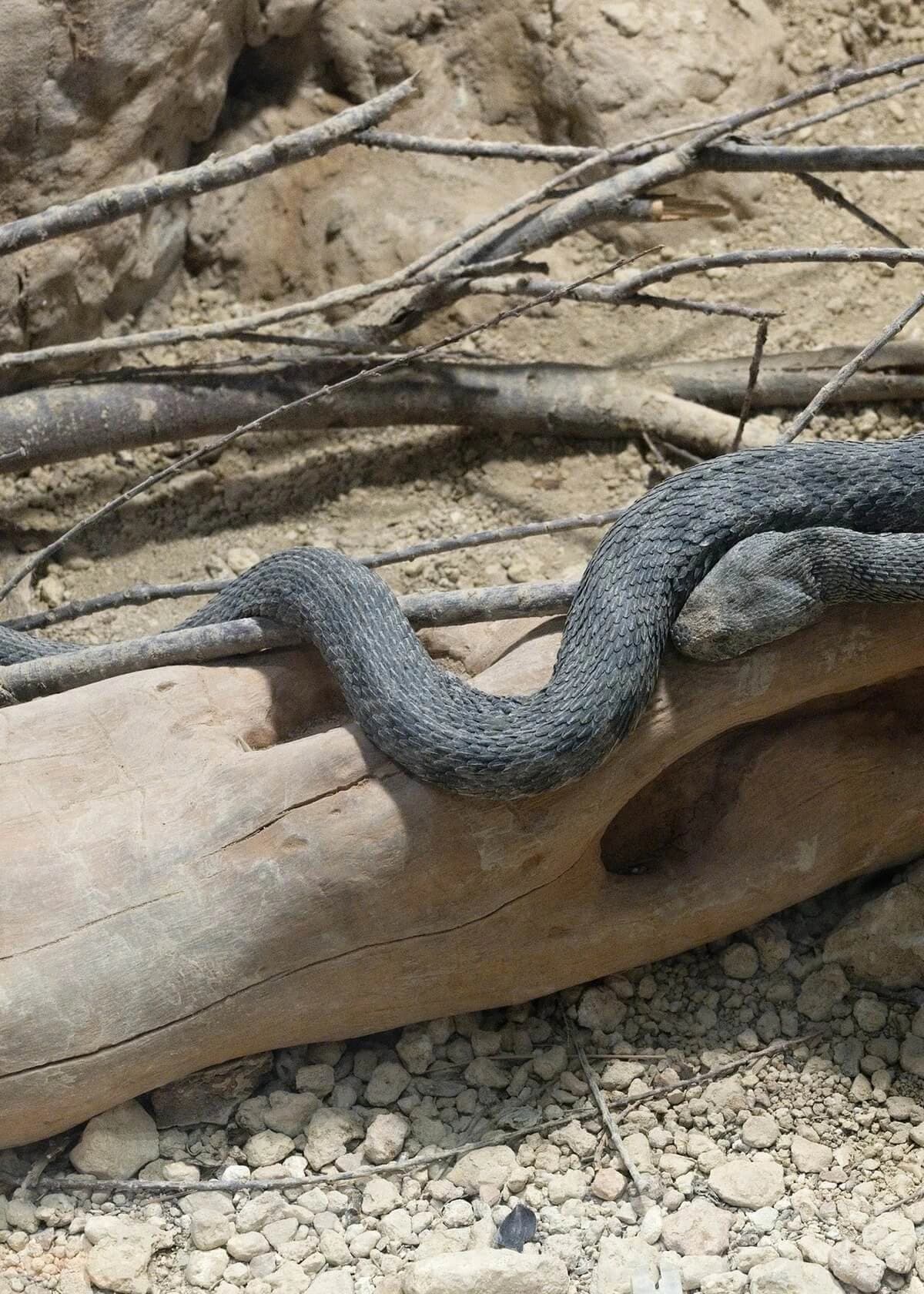
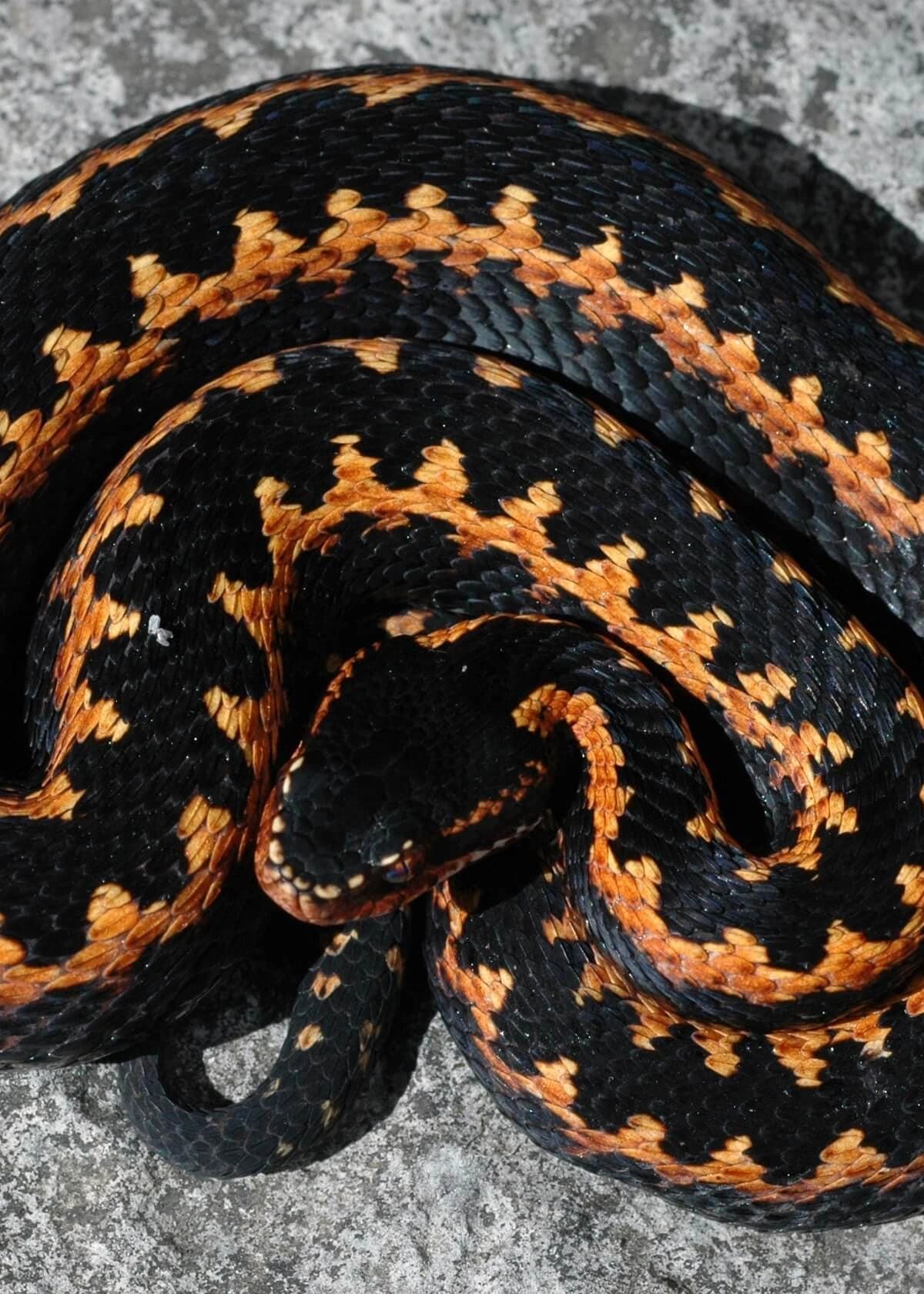
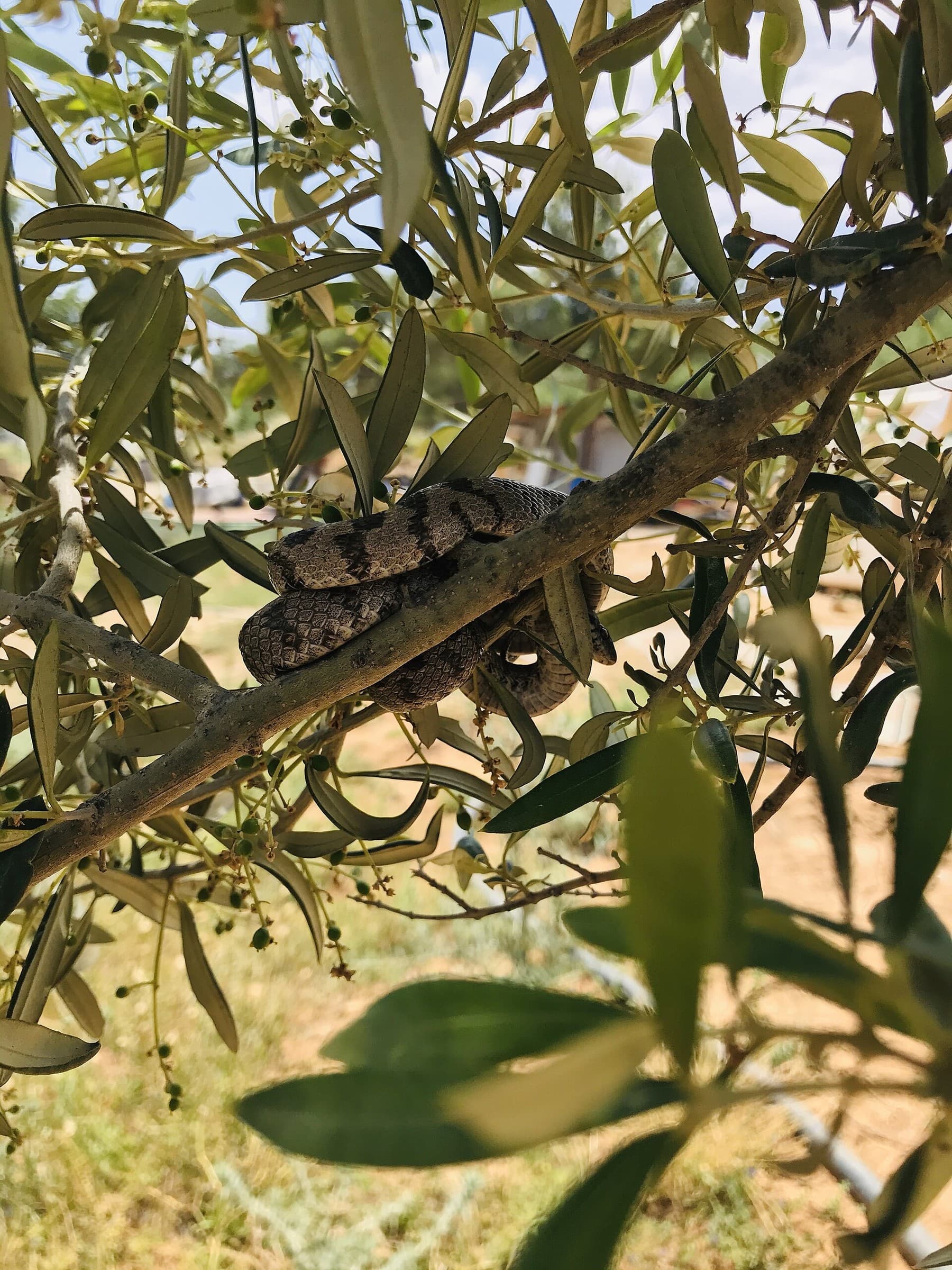
European cat snake in photos
Distribution
Where European cat snake lives in Georgia
Highlighted regions show where this species has been recorded.
Samtskhe — Javakheti · Shida Kartli · Kvemo Kartli · Kakheti · Tbilisi
Identification
How to identify European cat snake
The European cat snake is a crepuscular and nocturnal snake with a vertical pupil. The name comes from the eye shape — unlike most day-active racers.
- 01
Large eyes with a vertical pupil that closes to a slit in daylight.
- 02
Active at dusk and night; hides under stones or in crevices by day.
- 03
Harmless to humans — rear-fanged, but effective envenomation of people is almost impossible.
- 04
Length is roughly 60–100 cm; the body is slender.
- 05
It occurs in dry, rocky habitats of eastern and southern Georgia.
Biology
Diet, behavior, and conservation
Diet
It feeds mainly on lizards and geckos; it also takes other small snakes, nestling birds, and small mammals. It pins prey with body loops and subdues it with rear fangs — the venom is for hunting and is practically harmless to humans.
Behavior
It is crepuscular and nocturnal — it hides by day and hunts at dusk and at night. Distinctive large eyes have a vertical pupil (a narrow slit in bright light). When threatened it prefers to flee or hide; it is harmless to humans — the rear position of the fangs makes an effective envenoming bite almost impossible. It is egg-laying: females lay roughly 4–12 eggs (often 6–9 in the literature).
Conservation
Classified as Least Concern on the IUCN Red List. In Europe it is listed on Annex II of the Bern Convention and Annex IV of the EU Habitats Directive. Local threats include habitat conversion, road mortality, and killing due to confusion with venomous snakes. It benefits the ecosystem by regulating lizards and small rodents.
Questions
Frequently asked questions
Short answers to the most important questions about European cat snake.
No — it is harmless to humans. It has rear-fanged venom, but the fangs sit at the back of the mouth and make an effective envenoming bite almost impossible; the venom is mainly for small prey.
In the dry, rocky landscapes of the east and south — Kakheti, Kartli, Samtskhe–Javakheti, and similar habitats. Vertically it occurs from sea level to roughly 2,000 m.
In bright light the pupil contracts vertically and resembles a cat’s eye — the source of both the Georgian name კატისთვალა and the English name cat snake.
Mainly lizards and geckos; also small snakes, nestling birds, and small mammals. It hunts at dusk and at night.
It is egg-laying. The female lays roughly 4–12 eggs, and young hatch independently.
References
Sources & References
References
Sources & References
- IUCN Red List
- GBIF
- The Reptile Database
- Wikipedia
- Scientific publications
Species profiles are compiled from peer-reviewed literature and established biodiversity databases, and are reviewed as new taxonomic and conservation data become available.