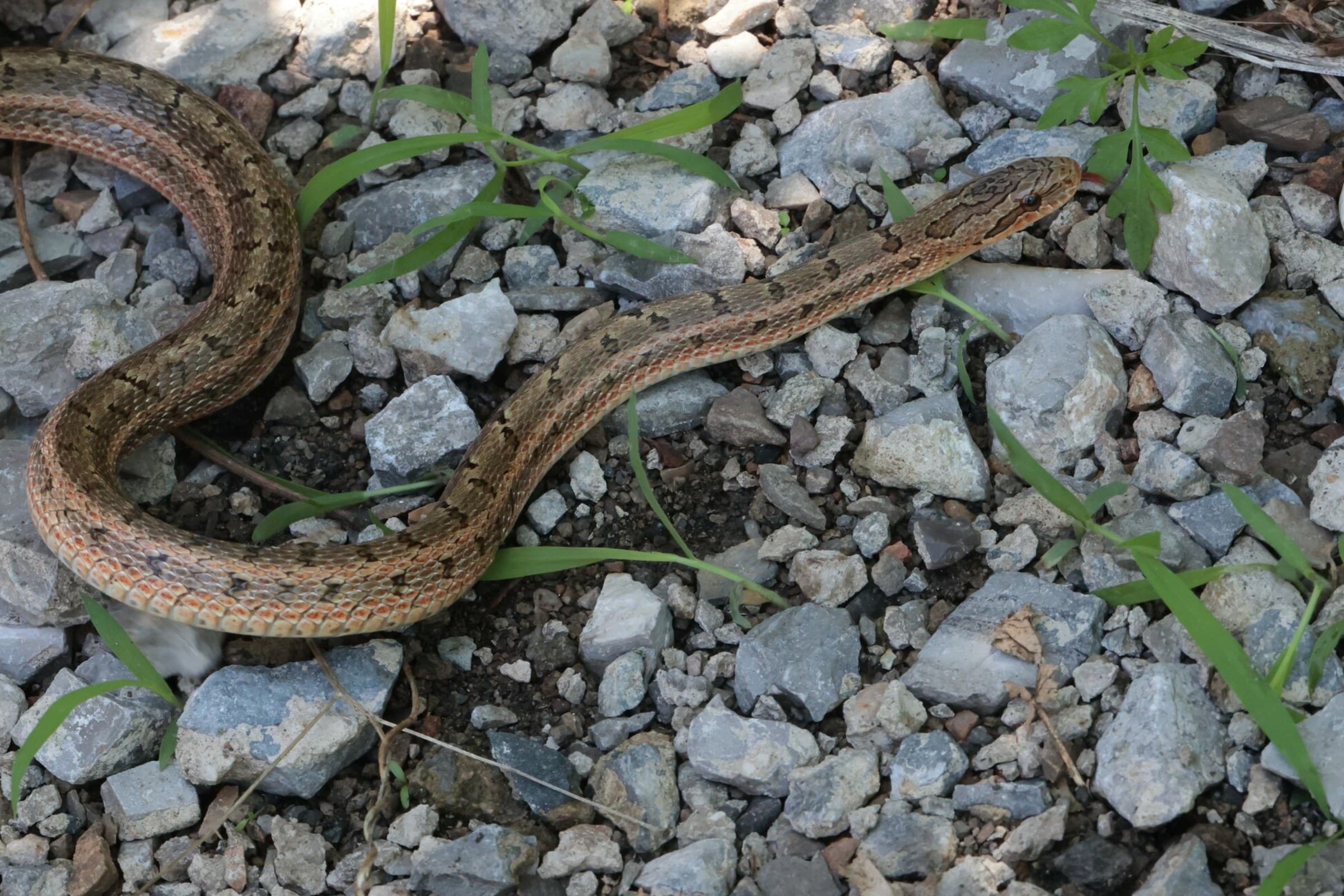
Photo: Dmitry Dubikovskiy
Steppe ratsnake
Elaphe dione
A harmless patterned ratsnake of steppes and dry landscapes — in Georgia mostly in drier habitats; non-venomous.
At a glance
Key facts in one look
Habitat
Dry zones
Length
approx. 0.7–1.2 m
Venom
None — harmless
Conservation
Least Concern
Elevation
0–3,580 m
Family
Colubridae
Overview
Who is Steppe ratsnake
The steppe ratsnake (Elaphe dione), also called Dione's ratsnake, is a harmless colubrid. Pallas described it in 1773; the name refers to the Greek mythological figure Dione (mother of Aphrodite). It has one of the widest ranges in the genus Elaphe — from eastern Ukraine across Central Asia to Mongolia, northern China, and Korea; also Georgia, Azerbaijan, and northern Iran. In Georgia it prefers relatively dry habitats; recent records (including social-media sightings) have substantially improved knowledge of its range. Length is usually about 0.7–1.2 m. Globally it is Least Concern on the IUCN Red List.
Last updated
Gallery
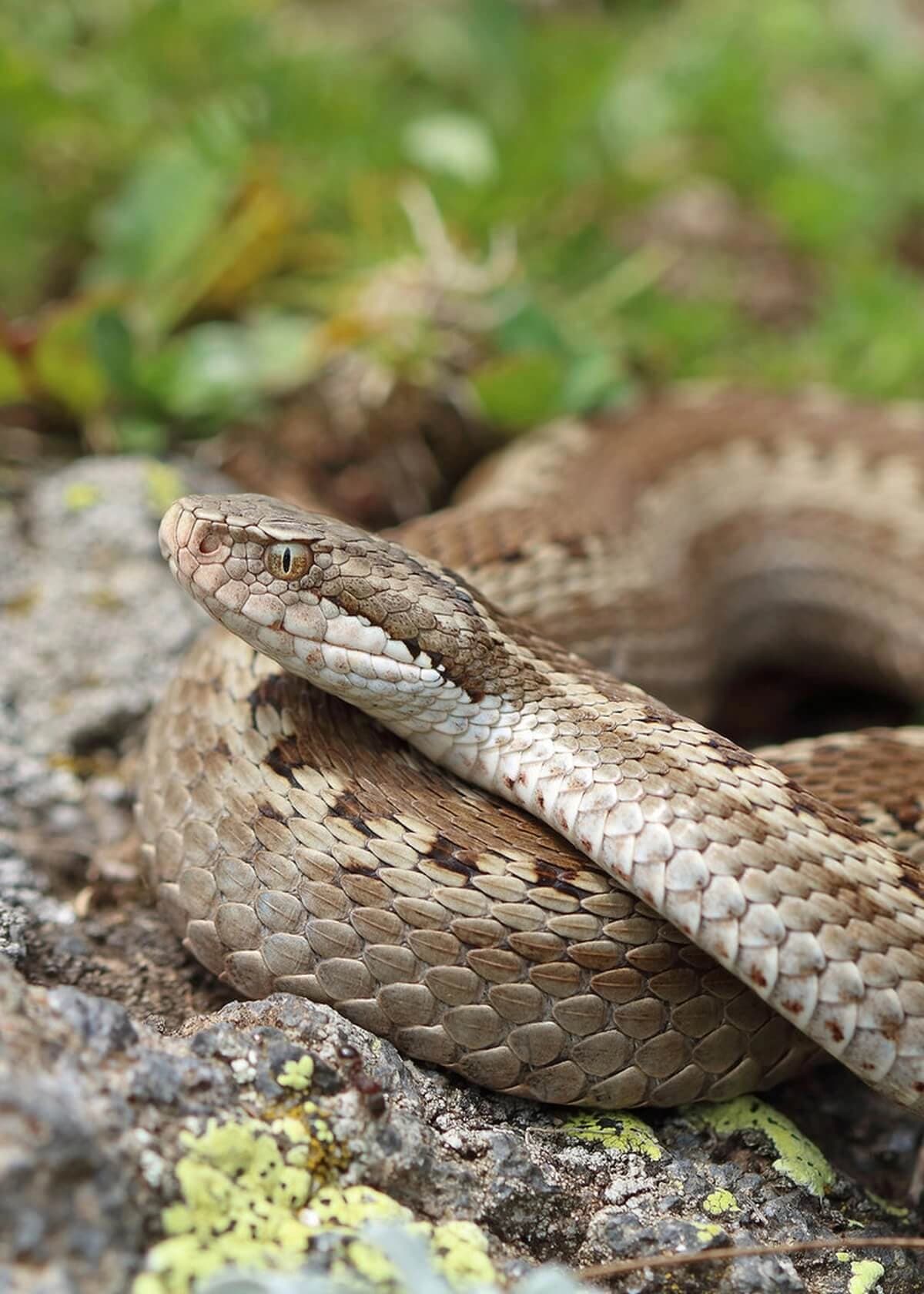
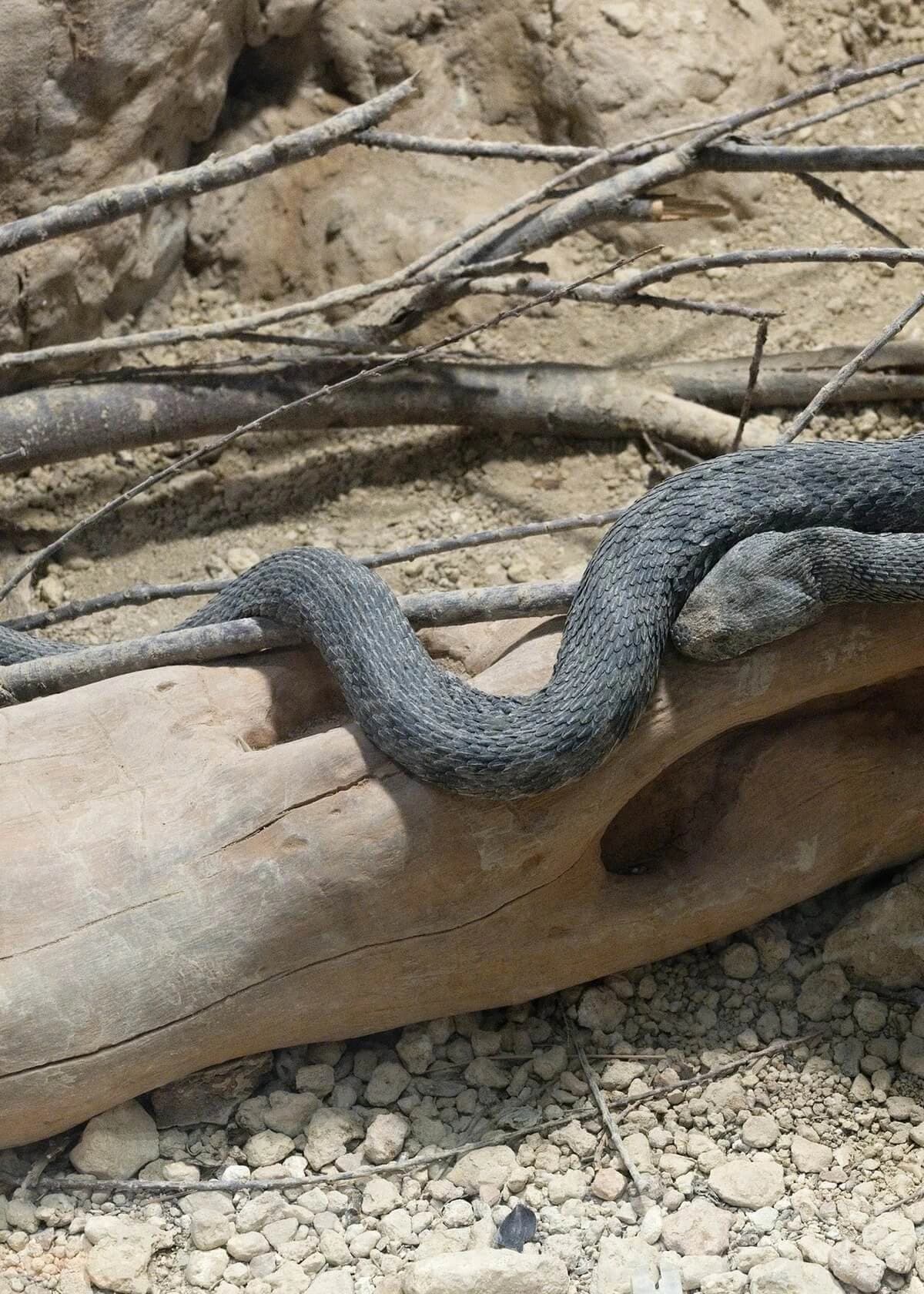
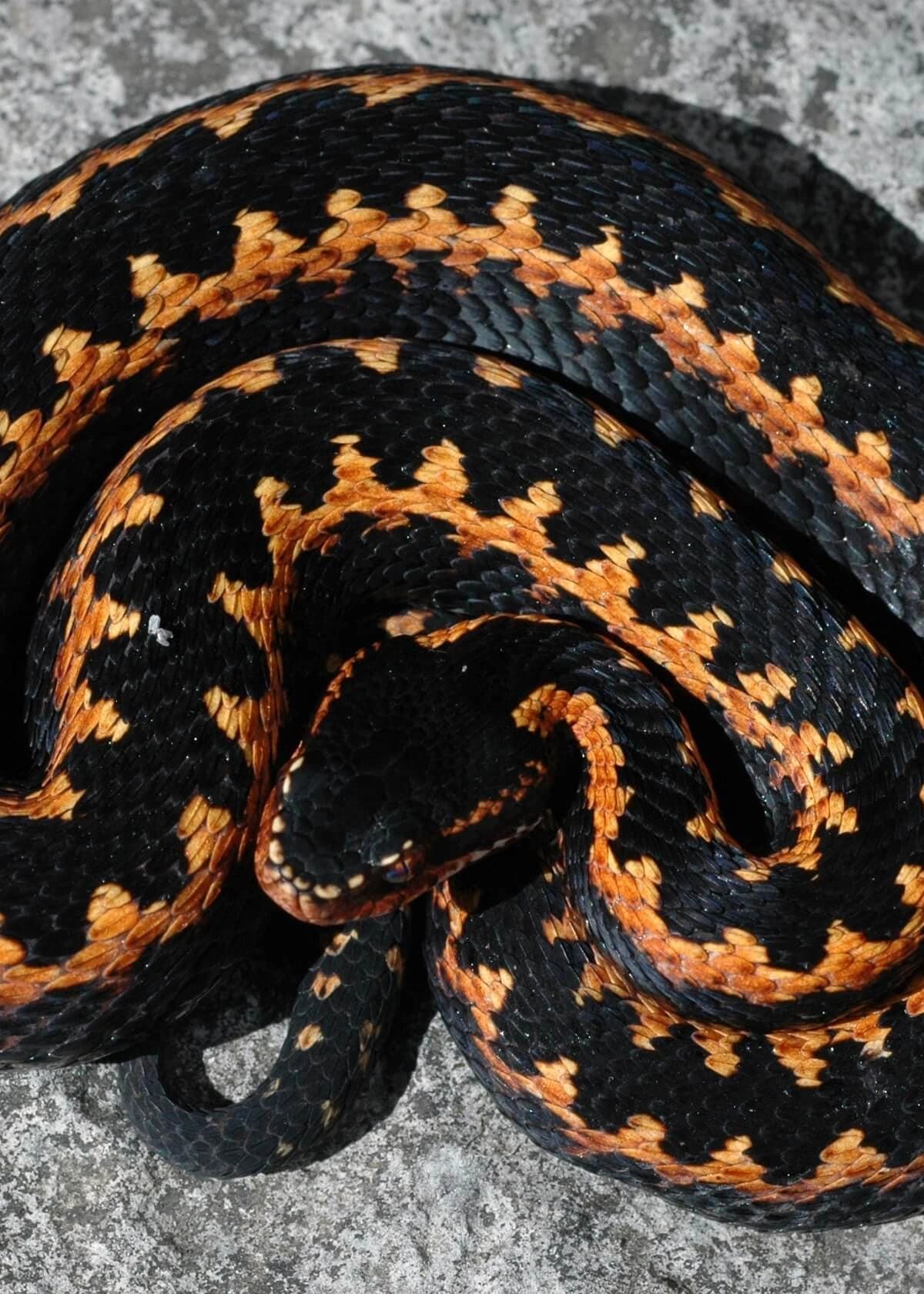
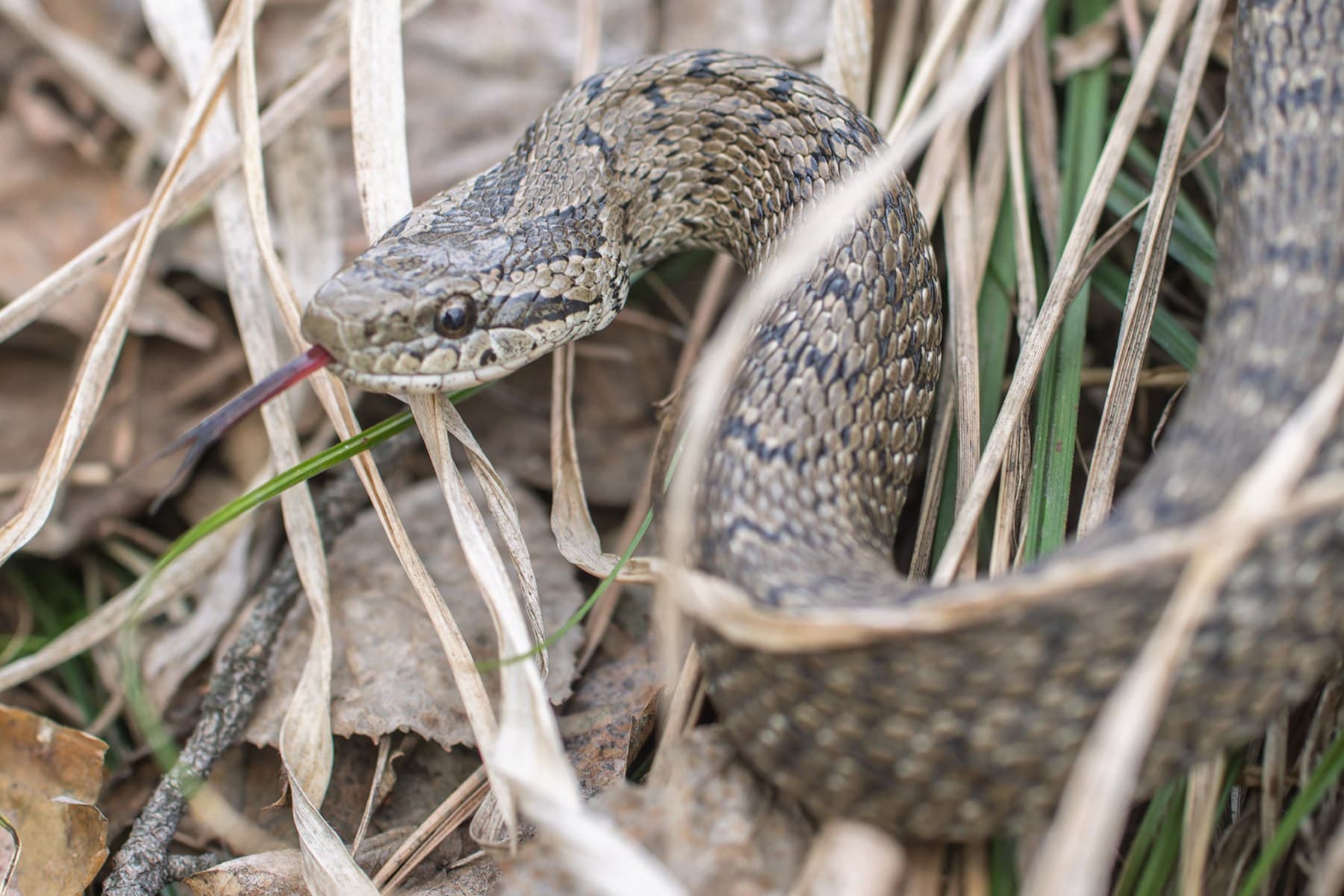
Steppe ratsnake in photos
Distribution
Where Steppe ratsnake lives in Georgia
Highlighted regions show where this species has been recorded.
Identification
How to identify Steppe ratsnake
The steppe ratsnake is a harmless patterned ratsnake of dry habitats. Look for a blotched back and often four longitudinal stripes.
- 01
The back is grey/brownish with dark transverse blotches; four longitudinal stripes are often present.
- 02
The head has a dark pattern; a dark stripe runs through the eye; the pupil is round.
- 03
Length is roughly 0.7–1.2 m; it is non-venomous — it constricts prey.
- 04
It climbs and swims well; it also raids nests.
- 05
In Georgia — mainly the dry east and south.
Biology
Diet, behavior, and conservation
Diet
It feeds on rodents, small birds, nestlings, and bird eggs; also lizards; occasionally amphibians, small fish, and insects. It kills prey by constriction and has no venom. It climbs well and swims readily — often ascending shrubs and trees to raid nests.
Behavior
It is mostly diurnal; depending on weather and season it may also appear in the evening. It is calm and cautious — when threatened it prefers to flee. The back is grey, brownish, or yellowish with dark transverse blotches; four paler longitudinal stripes are often visible. The head has a distinctive dark pattern and a dark stripe through the eye; the pupil is round. It is egg-laying: mating is in spring, and the female lays usually 3–15 eggs in July–August (sometimes up to 24); young hatch independently.
Conservation
Globally it is Least Concern on the IUCN Red List — the range is broad and the species is adaptable. At the western edge (e.g. Ukraine) it is locally rarer and protected. Local threats include habitat conversion, road mortality, and killing due to confusion with venomous snakes. It benefits the ecosystem by reducing rodent numbers.
Questions
Frequently asked questions
Short answers to the most important questions about Steppe ratsnake.
No — it is harmless. It has no venom and kills prey only by constriction. When threatened it prefers to flee; it does not attack humans.
Mainly in dry-climate habitats — in the east and south (Kakheti, Kvemo and Shida Kartli, Samtskhe–Javakheti and nearby dry zones). It has also been noted in suitable western sites.
E. dione is smaller with a different pattern — often four longitudinal stripes and finer transverse blotches; E. urartica is larger, with bold rounded blotches on a yellowish/whitish ground. Geography also helps identification.
Rodents, small birds, nestlings, and eggs; also lizards. It climbs trees and shrubs well to raid nests.
It is egg-laying. Mating is in spring; the female lays usually 3–15 eggs in July–August (sometimes up to 24). Young hatch independently.
References
Sources & References
References
Sources & References
- IUCN Red List
- GBIF
- The Reptile Database
- Wikipedia
- Scientific publications
Species profiles are compiled from peer-reviewed literature and established biodiversity databases, and are reviewed as new taxonomic and conservation data become available.