Eastern kingsnake
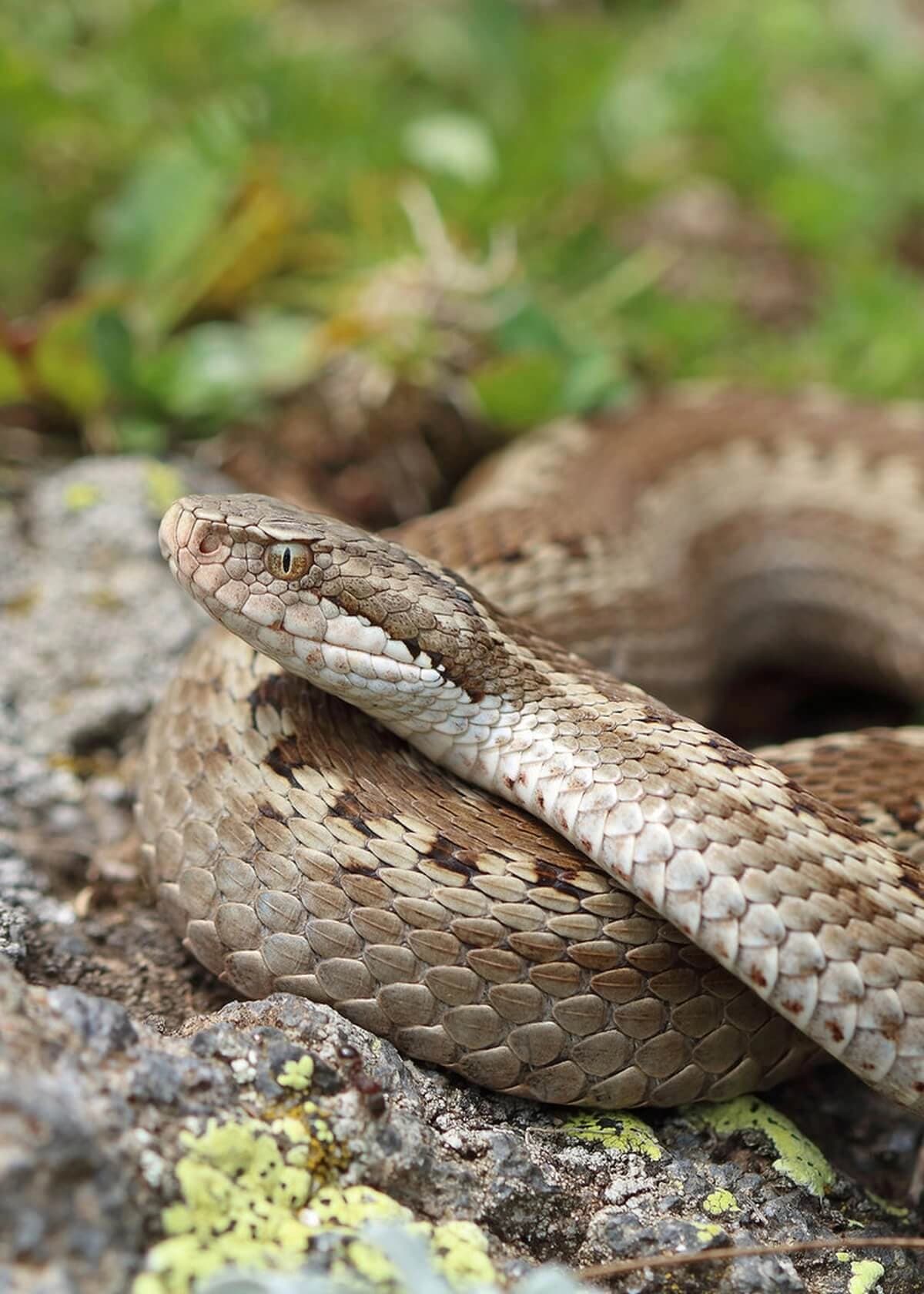
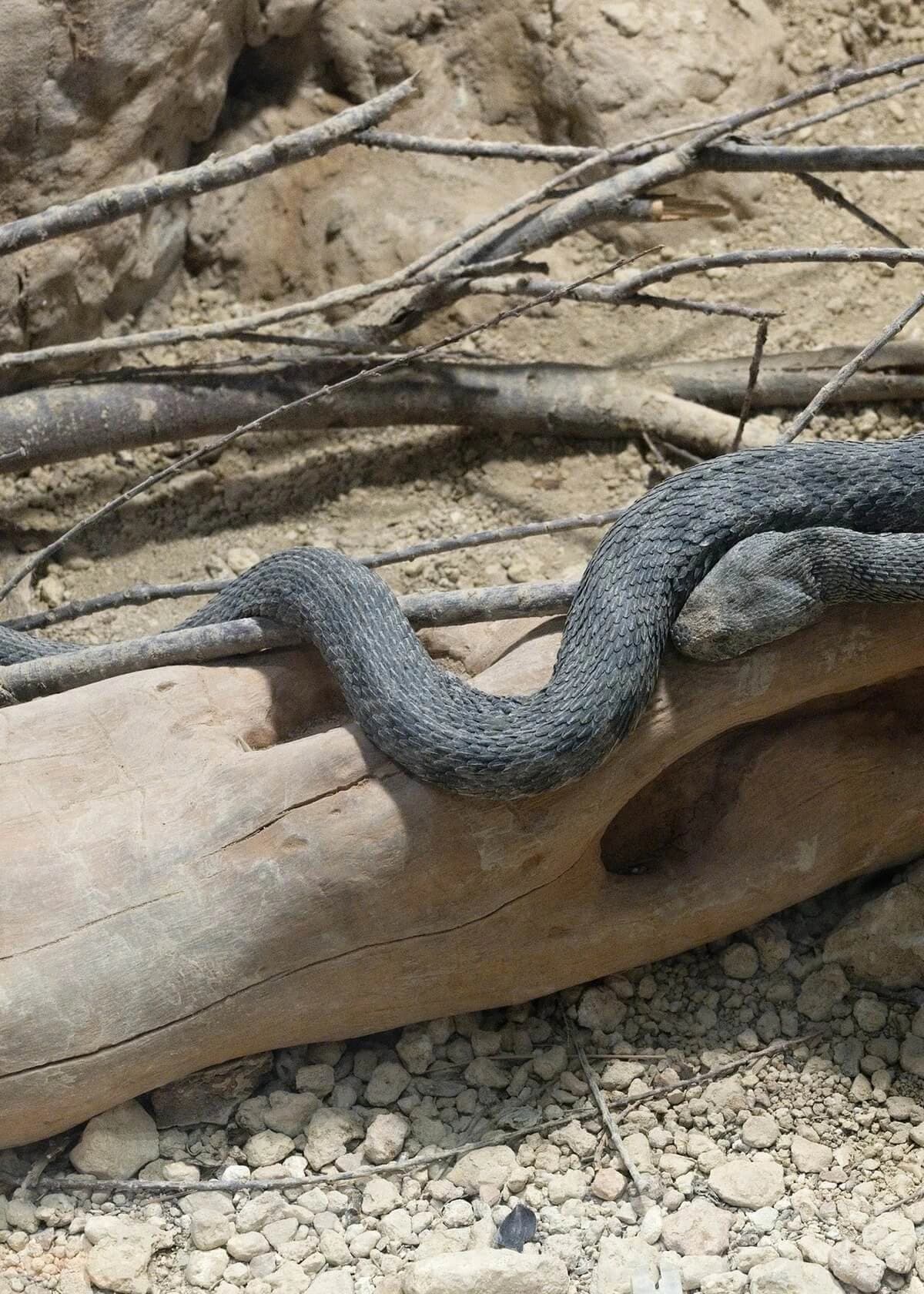
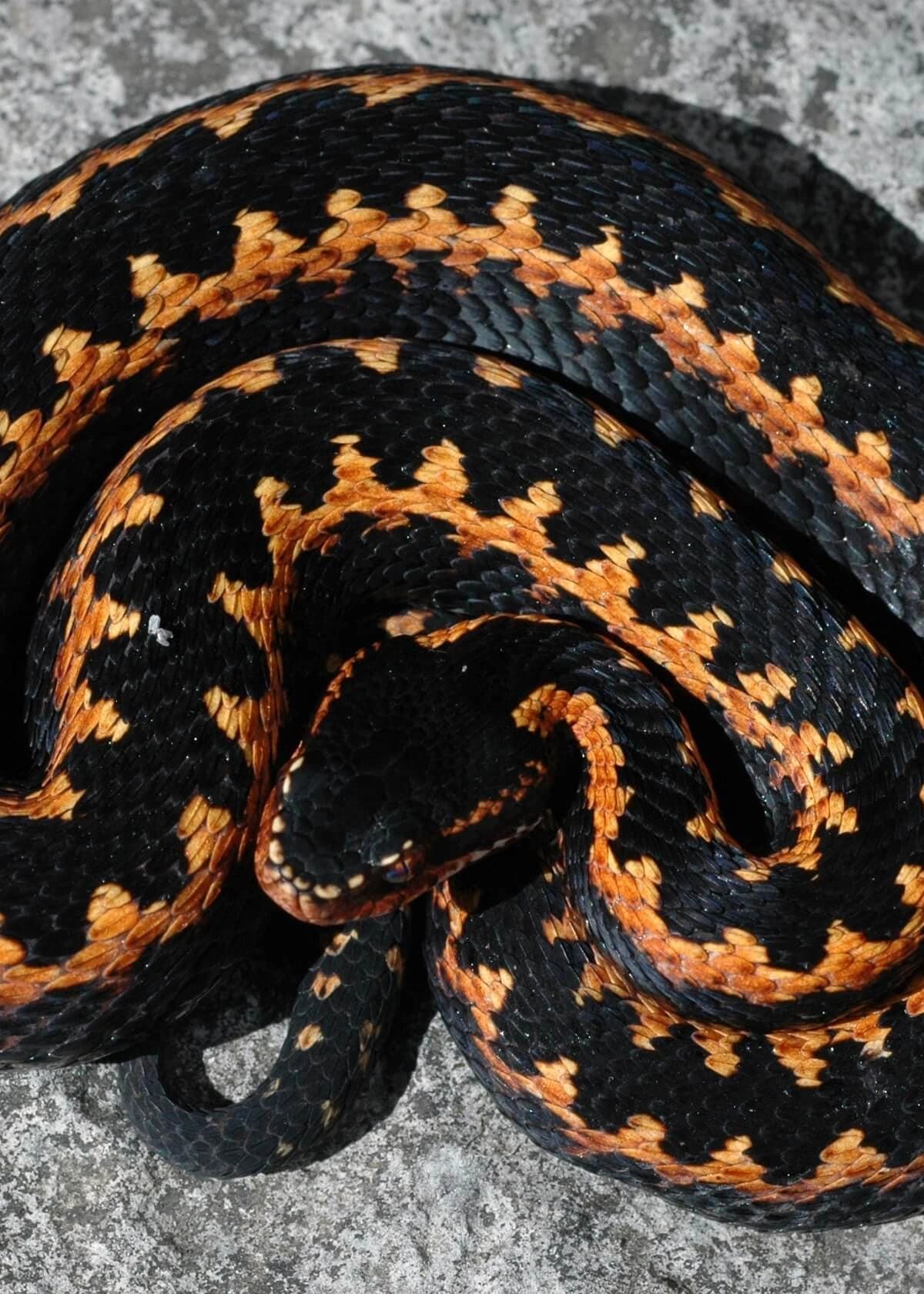
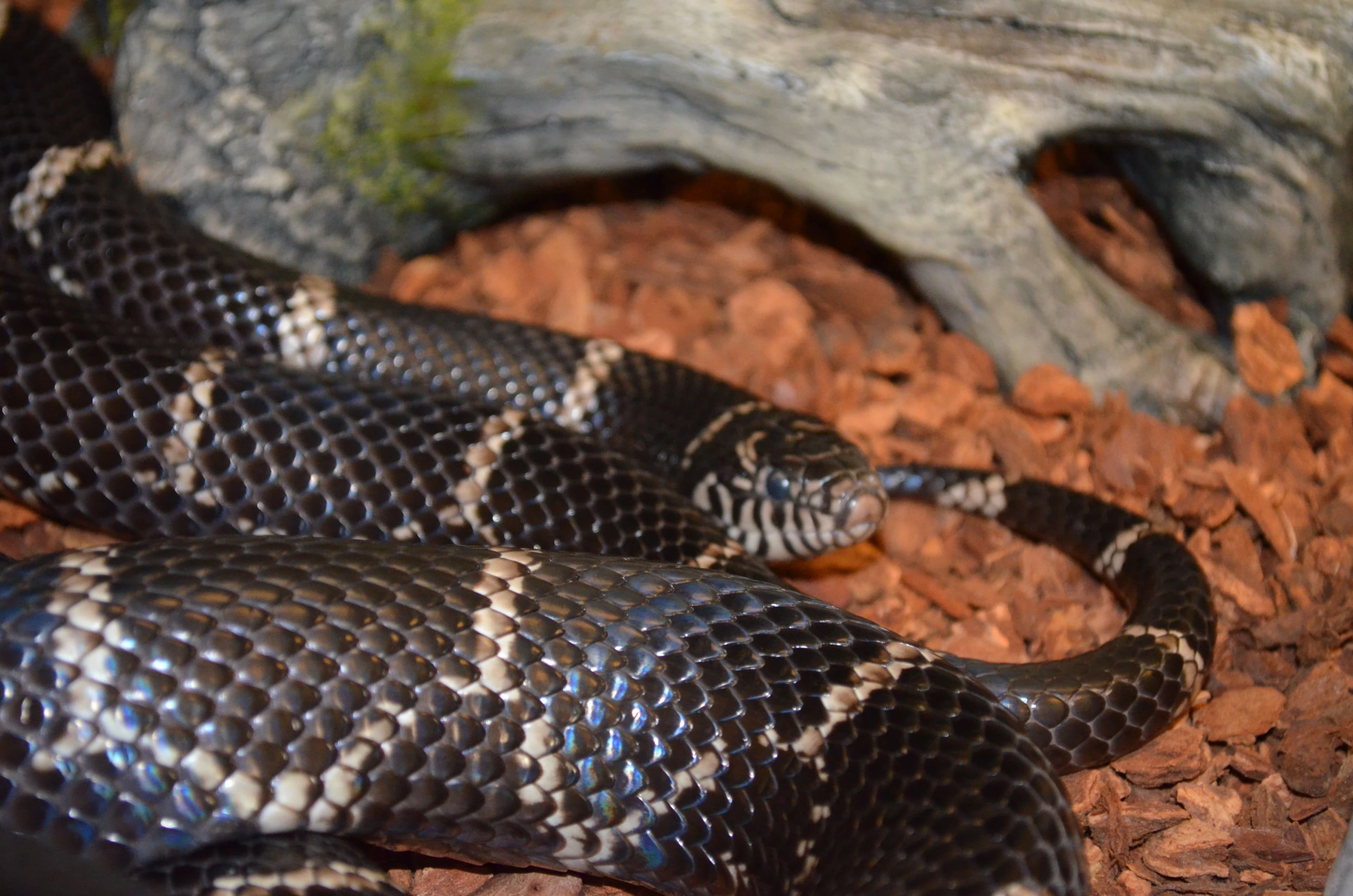
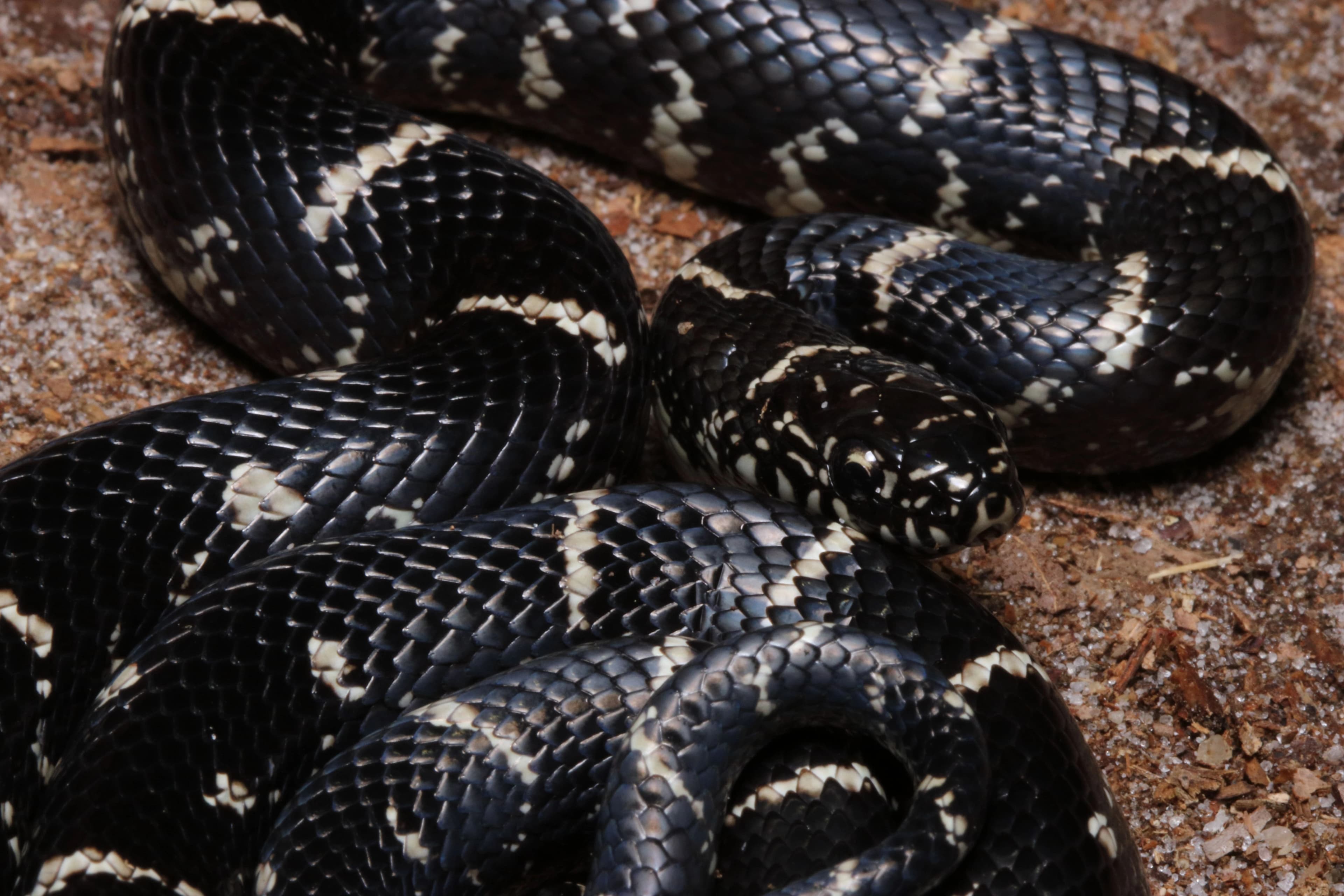
A harmless chain kingsnake — glossy black scales with white-to-yellow chain bands; known for eating venomous snakes.
At a glance
Key facts in one look
Habitat
Forest, pine, floodplain
Length
approx. 90–122 cm
Venom
None — harmless
Conservation
Least Concern (LC)
Range
SE United States
Family
Colubridae
Gallery
Eastern kingsnake in photos
Interesting facts
What you should know
- 01
The name Lampropeltis means "shiny shield" in Greek — the scales are smooth and glossy.
- 02
It can eat venomous snakes — copperheads and rattlesnakes — and is resistant to their venom.
- 03
Its pattern is chain-like — white or yellowish crossbands on a black ground; hence the name chain kingsnake.
- 04
It is egg-laying: clutches are roughly 3–24 eggs; incubation lasts about 60–75 days.
Biology
Diet, behavior, and conservation
Diet
It is a dietary generalist: it eats rodents, birds and their eggs, lizards, amphibians, turtle eggs, and other snakes — including venomous copperheads and rattlesnakes (Crotalinae), to whose venom it is resistant. It subdues prey by constriction and is among the strongest constrictors relative to body size.
Behavior
It is diurnal, especially in spring; in heat it becomes more secretive and seeks cover. Mating usually occurs in spring. It is egg-laying: clutches are roughly 3–24 eggs; incubation lasts about 60–75 days. When threatened it may vibrate its tail (mimicking a rattlesnake), musk, or bite — but it is not venomous.
Conservation
It is Least Concern on the IUCN Red List. Even so, declines have been recorded in some southeastern populations — from habitat fragmentation, roadkill, persecution, invasive fire ants, and locally excessive collection. It is legally protected in Georgia and South Carolina. It benefits ecosystems by controlling rodents and venomous snakes.
Questions
Frequently asked questions
Short answers to the most important questions about Eastern kingsnake.
No — it is not venomous and is harmless to humans. When threatened it may bite or vibrate its tail, but it poses no medical risk. In the wild it is beneficial because it takes rodents and venomous snakes.
In the southeastern United States — from southern New Jersey through Florida and west into Alabama. In pinewoods, mixed forests, grasslands, and near wetlands.
The English name kingsnake refers to its habit of eating other snakes — including venomous ones; it is considered a "king" among snakes. The chain-like pattern also gives it the name chain kingsnake.
Rodents, birds, eggs, lizards, amphibians, and other snakes. It subdues prey by constriction and is resistant to the venom of pit vipers.
It is egg-laying. Mating is in spring; it lays roughly 3–24 eggs, which hatch after about 60–75 days.